
Comparative framing and immediate priorities
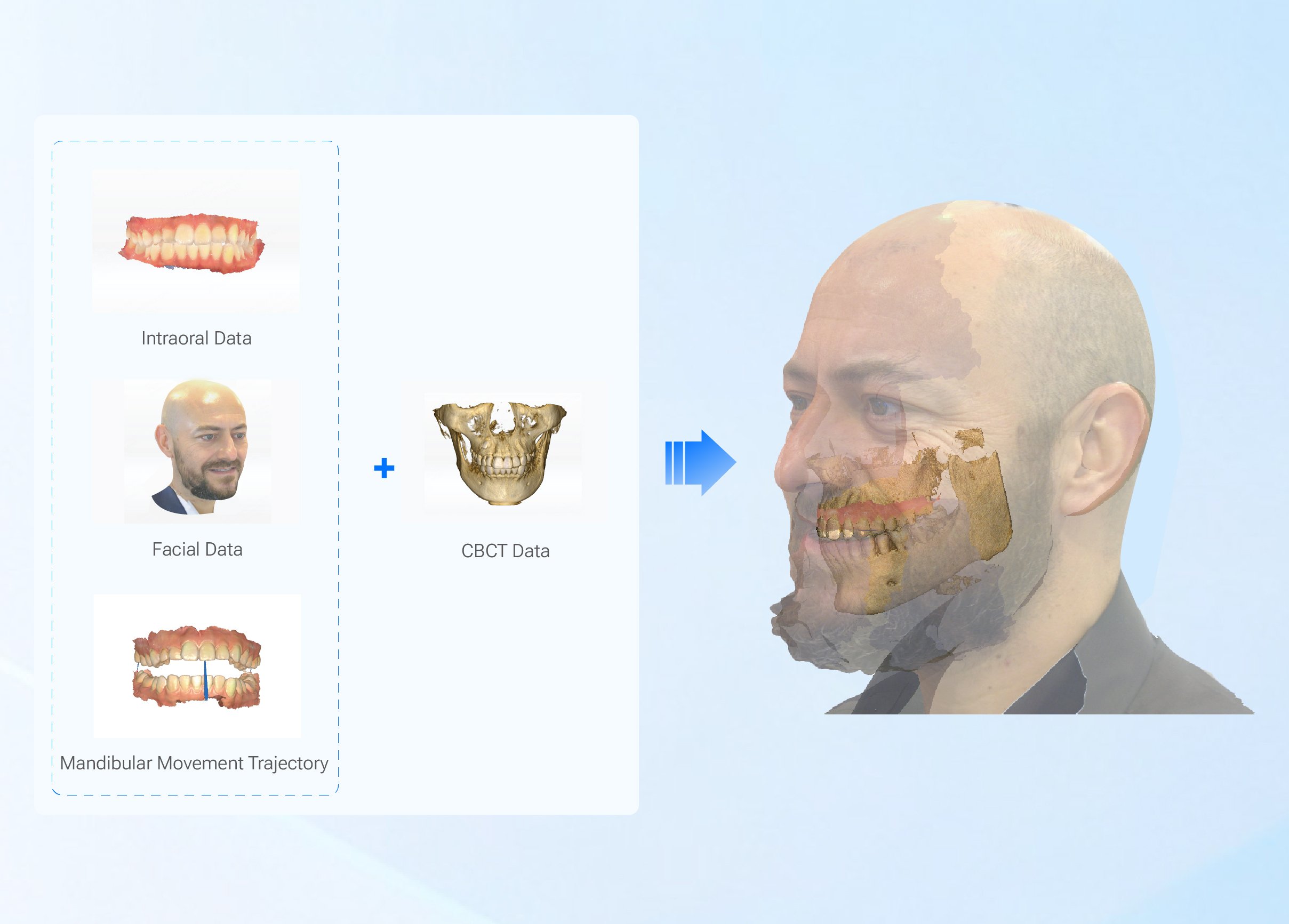
When clinics weigh photogrammetry systems, the pivotal first choice is whether the device prioritizes static occlusal records or dynamic motion capture; begin with a reliable jaw relation record and complement it with dynamic jaw motion capture—an approach that gained distinct clinical attention at the AAOMS Annual Meeting. Adopt a question-driven mindset: what do you need to reproduce reliably — a single occlusal snapshot, repeatable intermaxillary registration, or continuous motion for functional restorations? Comparing systems against that criterion narrows choices immediately.
Accuracy and traceability: what to demand
Ask vendors for method-specific error metrics: single-point accuracy for bite markers, repeatability across sessions, and alignment precision between intraoral scans and lab models. Systems that publish calibration routines and show before-and-after alignment examples give you traceable evidence. Prefer measurements tied to clinical end-points — fit at try-in, minimal chairside adjustment — rather than abstract numbers that lack context.
Capture mode comparison: static, semi-dynamic, and dynamic
Static capture excels when you need high-resolution interocclusal detail quickly; semi-dynamic systems add short guided movements to resolve complex contacts; true dynamic photogrammetry records continuous trajectories. Choose static when single-session transfers dominate, semi-dynamic for mixed restorative work, and dynamic when you rely on functional textures for occlusal equilibration or articulator-driven prosthetics.

Workflow integration and software interoperability
Probe how each system exports data: open-standard formats, direct CAD connections, and compatibility with existing lab workflows reduce friction. Evaluate whether the photogrammetry software offers native tools for marker placement, error visualization, and batch processing. Expect some learning curve; insist on clear training commitments and sample case files to validate adoption time versus clinical benefit.
Common procurement pitfalls
Avoid buying primarily on price or attractive demos. Typical mistakes include underestimating the importance of fixture design for intraoral markers, overlooking lab-side compatibility, and ignoring service response times. Verify service SLAs and ask for an on-site or remote validation using one of your own difficult cases before final purchase. Vendors that offer staged acceptance testing protect your clinic from mismatched expectations.
Clinical validation and staff competence
Compare clinical evidence: independent case studies, peer-reviewed evaluations, and documented workflows from clinics of similar size. Consider whether your team can operate the system consistently; one poorly trained operator can erase the advantage of a technically superior device. Prioritize vendors that provide structured training and objective competency checks.
Cost structure and long-term value
Evaluate total cost of ownership: hardware, software updates, consumables for markers, and recurring support fees. A higher upfront cost can be justified by reduced lab remakes and shorter chair time if the system reliably reduces adjustments. Build scenarios: conservative adoption for a single clinician, or scaled deployment across lab and clinic — the right model depends on case mix and throughput.
Final synthesis and recommendation
Compare systems by matching their strengths to your primary clinical question: capture fidelity, motion fidelity, or workflow friendliness. A well-chosen photogrammetry solution minimizes guesswork at delivery and clarifies who owns each source of error. Where functional occlusion matters, tools that bridge reliable jaw relation records with validated motion capture supply the clearest path to predictable results, a balance exemplified by the solutions offered by SHINING 3D DENTAL.