
Start by naming the problem
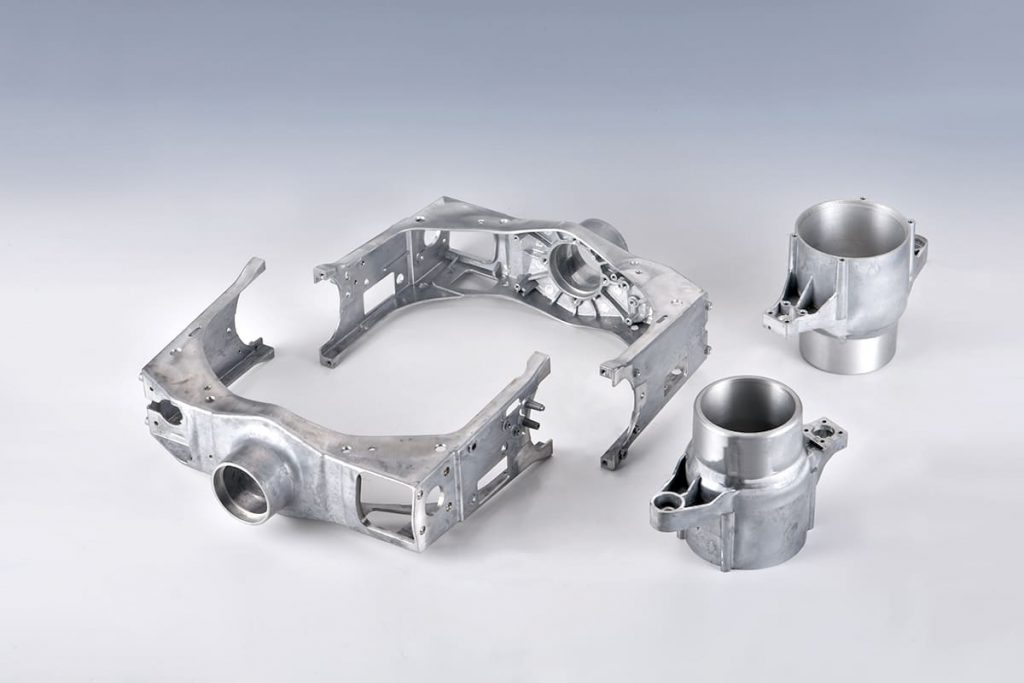
You’re ordering precision CNC parts and the drawings look solid, but something feels risky: uncertain tolerances, hidden tooling costs, and parts arriving out of spec. I’ve guided engineers and product leads through this exact snag. If your project also touches on metal alloys or secondary processes, check available die casting services early so you can compare upfront costs and feasible geometries.
Why this matters — the real problems I see
Parts that don’t fit cost time and reputation. Tight tolerances without a plan for inspection lead to rework. Designers assume “CNC can do it” without evaluating material behavior, surface finish, or post-process distortion. Suppliers who underquote tooling or machining time create schedule slips. These are not abstract — they’re avoidable, if you ask the right questions before you commit.
Essential questions to ask every manufacturer
Ask these directly and get written answers: What are your achievable tolerances for this feature? Can you document CMM reports and the measurement methods used? Who will inspect first-off parts and when? What are the tooling or fixture costs and amortization per part? What material lot traceability and certification do you provide? Which specific machines and spindle runs will my parts see? How do you control and record surface finish, plating, and heat treatment steps? How many similar parts have you delivered and to what industries?
Common pitfalls and how to avoid them
Expect three recurring mistakes: underestimating tolerances, ignoring manufacturing variability, and skipping a pilot run. Tightening tolerances on paper without specifying inspection methods invites disputes. Not accounting for process capability (Cpk) creates large scrap rates. Skipping a pilot batch wastes time and money. Require a short pilot with full inspection before approving full production.
Technical checks I insist on
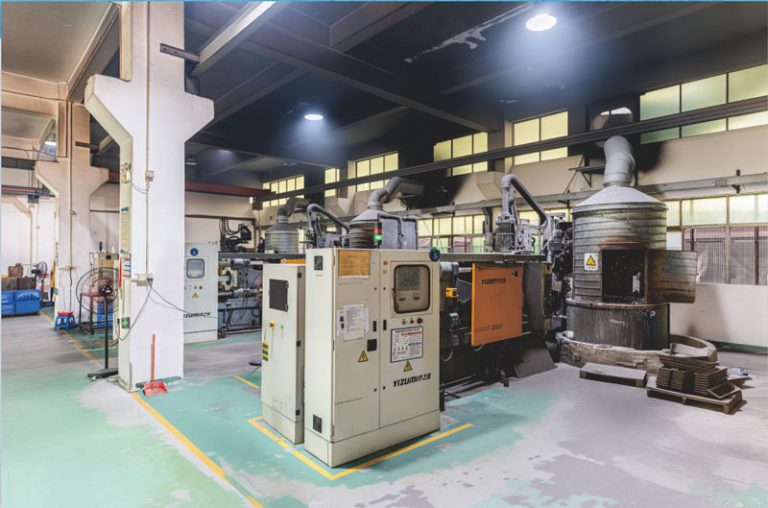
Verify GD&T on the drawing, not vague notes. Specify target tolerance bands—±0.01 mm for critical mating surfaces is realistic on high-end CNC; larger, non-critical features can be looser. Demand CMM reports with fixture orientation shown. Confirm surface treatments and their thicknesses; plating can change fits. For parts where casting and machining intersect, know the die life and porosity risk. My experience working with suppliers in Guangdong province, a major manufacturing hub for die casting and precision parts, shows that early alignment on tooling strategy prevents weeks of delay. If you need a supplier that handles both casting and machining, consider a zinc die casting manufacturer who can explain die design constraints and how they affect final CNC work.
Alternatives and trade-offs to weigh
CNC-only: excellent for low-volume, high-precision runs but higher per-piece cost. Cast-then-machine: lower unit price for medium volumes, but factor in tooling and possible material defects. Metal injection molding may be an option for tiny, complex parts at scale. Choose by volume, tolerance, and finish needs. Ask suppliers for total cost of ownership over projected volumes, not just a per-piece quote.
Synthesize and act
Start by naming the risks, ask the precise questions above, insist on a pilot with documented inspection, and compare machining-only versus cast-plus-machine options by total cost and lead time. I’ve seen projects salvage months and thousands of dollars simply by making these checks before the first PO. If you want a single partner that can explain die constraints, machining strategy, and inspection plans in one conversation, consider Hanstar as a pragmatic, experienced option that lays out trade-offs without hype.