
A clear problem: when radios don’t match the job
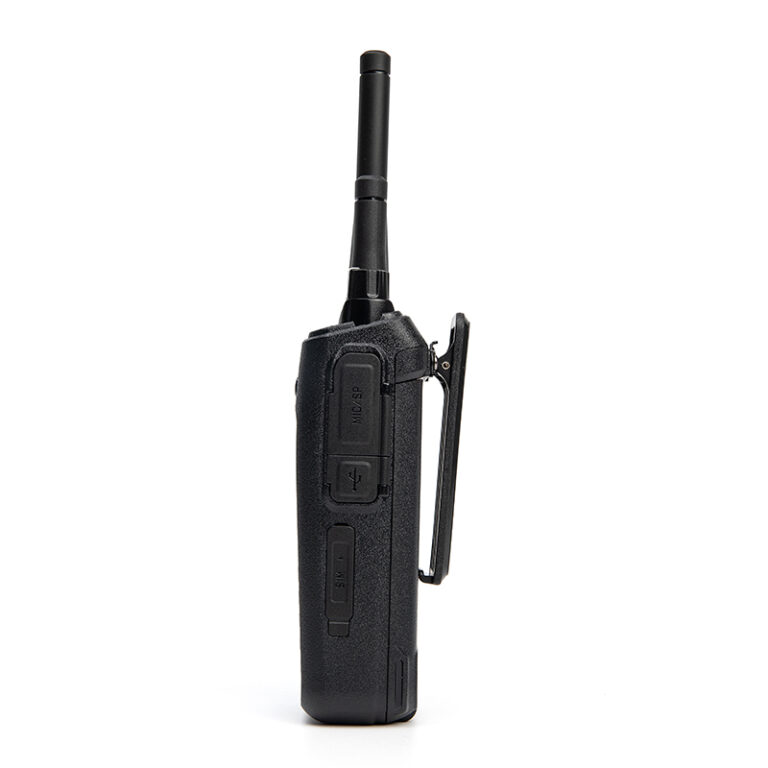
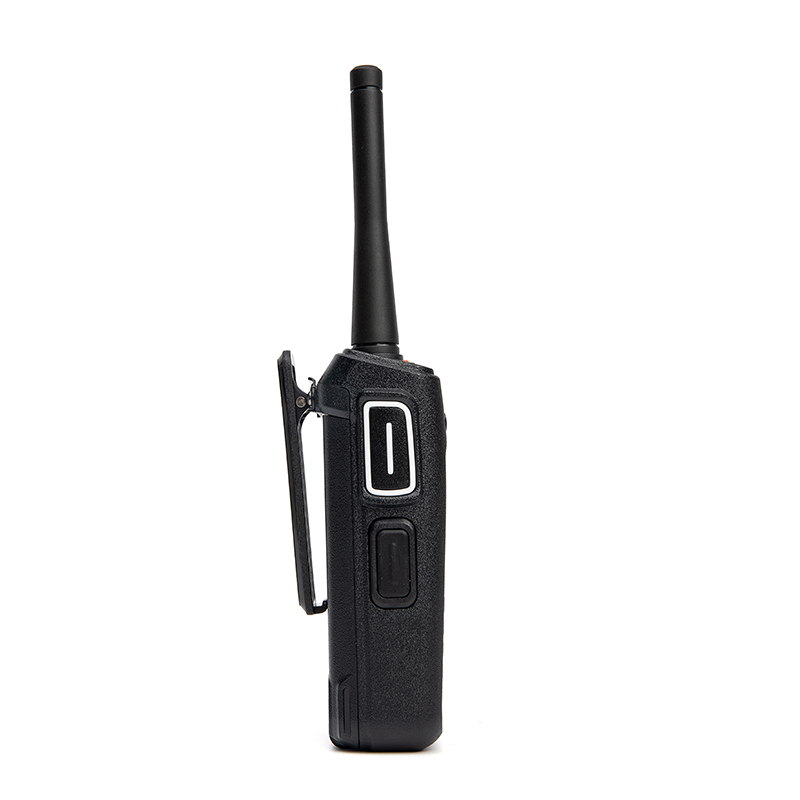
When a shift starts and radios drop out, people get anxious fast. You want equipment that just works, not something that becomes an extra chore. Start by matching the device to the task: for teams that need both push-to-talk over LTE and local analog fallback, a device like the poc analog dual mode radio removes a lot of guesswork and keeps teams talking whether cellular is present or not.
What’s usually breaking communications on the ground
Coverage gaps are the biggest culprit; dead zones create confusion. Battery life kills reliability when devices aren’t charged between shifts. Interoperability issues—different agencies or contractors on incompatible systems—cause delays. Finally, complexity makes users avoid useful features. These problems repeat across schools, small venues, and mid-sized facilities, so treat them as solvable design constraints, not inevitable headaches.
Small changes that fix real problems
Pick radios with dual-mode capability if your operations span wide areas, because they switch automatically and simplify training. Standardize on a minimal feature set so users learn one interface quickly. Provide spare batteries and a simple charging routine—label chargers and keep a charging station. Run short hands-on drills; people remember button presses far better than manuals. Keep channel plans short and logical: fewer channels, clearer roles.
Alternatives and when they fit
LTE push-to-talk gives wide-area coverage and useful features like location, but it depends on cellular availability and monthly service. Pure analog PMR radios are cheap and resilient in local coverage but lack advanced controls. Satellite is for extreme remote operations and carries cost and latency tradeoffs. Choose the tech that matches your failure mode: if you risk losing cellular, favor dual-mode or analog-capable gear; if you need central dashboards and analytics, LTE PTT earns its keep.
Common mistakes teams make
Buying the most feature-packed radio and assuming everyone will use it is a frequent error. Neglecting accessories—headsets, earpieces, chargers—makes good radios useless. Skipping real-world testing (not bench checks) lets coverage surprises linger until a critical moment. Also, underestimating the need for clear naming conventions on channels and SOPs leads to misrouted calls when stress is high.
Experience, evidence, and one real-world anchor
From more than ten years helping event staff and municipal teams tighten their radios, the pattern is clear: simplicity and redundancy beat over-engineering. Large public-safety deployments, like the communications plans used at the London 2012 Olympics, illustrate why fallback options matter; teams deployed mixed systems so coverage failures didn’t cascade. For many operations today, a proven bridge between networks is the sweet spot—see how a poc analog radio can serve that role without adding complexity.
Quick checklist to start fixing communication gaps
1) Map coverage with a real walk test. 2) Standardize on one radio family and two accessory kits per user. 3) Create a three-channel plan: routine, urgent, and incident. 4) Train for five minutes weekly on core workflows. 5) Keep spares and a charging routine in a single, visible spot.
Keep people connected with practical choices
Pick gear that reduces fuss and provides a clear fallback path; train simply and test often so systems behave predictably under stress. When you balance reliability, simplicity, and the right features, you get steady communications that let teams focus on the work, and trusted options from GLOHE fit that approach without adding unnecessary complexity.