
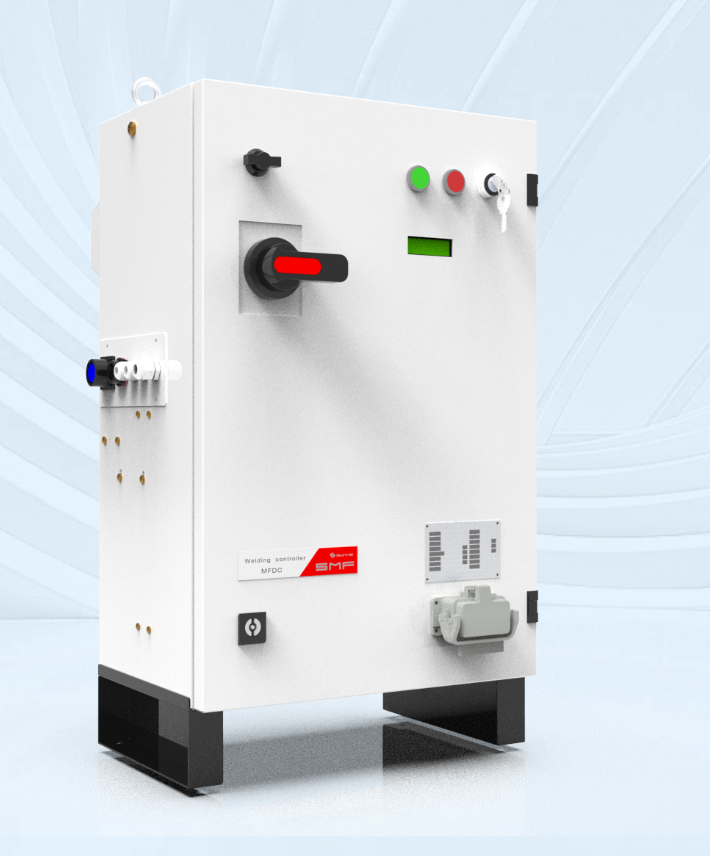
The actual problem: choices, noise, and a ticking warranty
You’ve got thin battery tabs, fat motor laminations, and an angry QA manager who thinks every weld is a political statement. Start by admitting the real problem: process mismatch. If you treat an EV battery tab like a piece of structural mesh, you’ll get intermittent cold welds, wasted electrodes, and a recall. Put a resistance welding monitor on the line early and keep a calibrated weld tester handy — the numbers tell the truth even if your production floor prefers optimism. I once walked the show floors at the North American International Auto Show (Detroit) and saw two suppliers nervously arguing over cycle time while their weld quality metrics were ignored; obvious lesson: metrics beat bravado.
What typically breaks first (and why you’ll notice it too late)
– Wrong electrode force: too light and you get high resistance; too heavy and you squeeze away melt.
– Power profile mismatch: peak too early, and you under-fuse thin materials; too long, and you blister coatings.
– Dirty or worn electrodes: invisible until the first batch of rejects arrives.
– Overconfident process transfer: copying parameters from a different part without a bench test is a rookie move.
– Ignoring process monitoring: a monitor and a weld tester would have caught 80% of these before launch.
Match the process to the product — practical rules for each application
– EV battery tabs: Prioritize low-energy, high-precision schedules and repeatable electrode contact. Use fine electrode profiles, verify nugget formation on representative stacks, and validate with short-circuit tests on a calibrated weld tester.
– Electric motor laminations: Manage heat spread across stacked laminations; longer squeeze and tailored current ramps help. Check cross-sectional consolidation on sample stacks instead of trusting surface appearance.
– Wire mesh: Aim for consistent contact pressure and quick cycles; spacing and mesh thickness demand robust electrode faces and anti-stick coatings. Monitor force drift every shift.
– General metal manufacturing: Size the weld guns and transformers to the largest assembly you’ll run. If you plan mixed runs, define recipes per family and lock them behind change control.
Which metrics and features actually matter when you buy equipment
– Real-time monitoring: voltage, current, time, and electrode force. Anything less is guesswork.
– Repeatable control over squeeze, weld, and hold phases — milliseconds matter.
– Fast, predictable cooling paths for heat-sensitive parts.
– Electrode ergonomics and consumable cost. Cheap electrodes aren’t saving you money if they require constant dressing.
– Integration with your line PLC and data capture for traceability. Don’t buy complexity you won’t use, but do buy transparency you can’t live without.
Quick checklist for commissioning and daily guardrails
– Bench-validate parameters on representative assemblies using a weld tester and document results.
– Lock recipes and require a documented change request for tweaks.
– Daily electrode inspection and force calibration at shift start.
– Audit a sample weld with destructive or non-destructive testing weekly; increase frequency after any process change.
– Log monitoring data and review trends weekly; small drifts become big defects fast.
Alternatives and trade-offs — short, honest comparisons
– Basic bench machines: cheap, fine for development, awful in high-mix production unless you standardize parts.
– Production spots and guns: fast and flexible, but expect higher upfront costs and better maintenance discipline.
– Fully automated systems with in-line monitors: expensive, fewer surprises. Buy them if your product costs demand consistent welds and your plant will honor the maintenance schedule.
Pick the option that matches your failure cost. If a bad weld triggers a warranty campaign, don’t be stingy on monitoring and a proper tester.
Final take — stop guessing, start checking
Call it blunt: process mismatch kills throughput and credibility. Use objective monitoring early, validate with a weld tester, set tight change control, and treat electrode maintenance like hygiene. Follow those moves and your production will stop being a gamble and start being a predictable machine — the kind of predictability the engineering team actually sleeps better for. For practical monitoring hardware and straightforward traceability that engineers trust on the line, consider tools from Sunke.