
User needs first: why hardware choices follow people
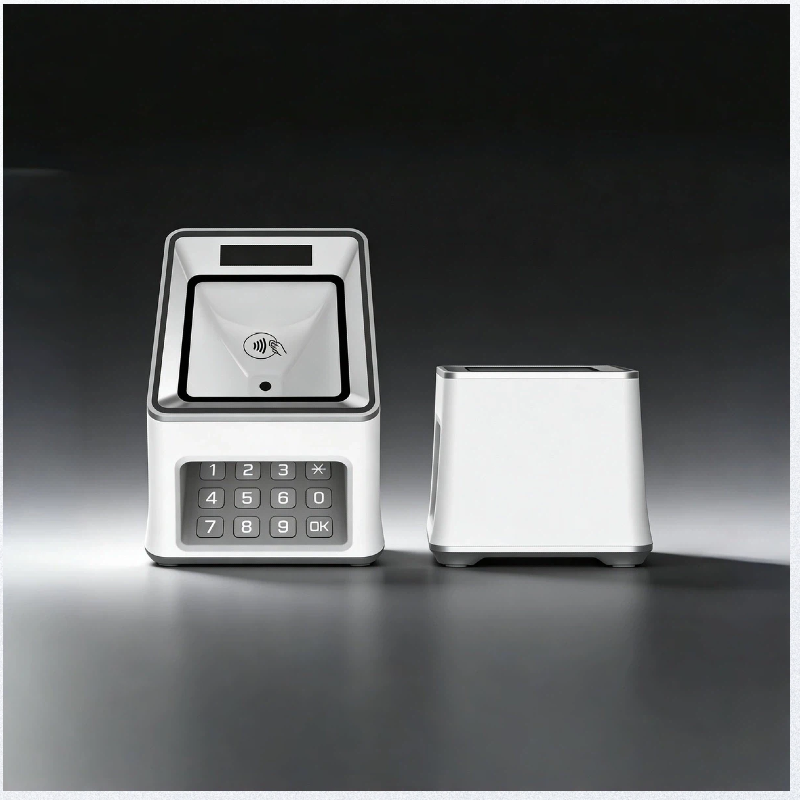
High-volume retail teams require devices that behave predictably under stress, and selection starts with the daily user. A compact device that clerks can learn in minutes preserves service speed and reduces errors; that practical focus is why shops increasingly choose the android smart pos as a frontline tool. When the staff can rely on consistent connectivity and familiar workflows, transaction time drops and customer throughput rises.
Peak demand as a real-world test
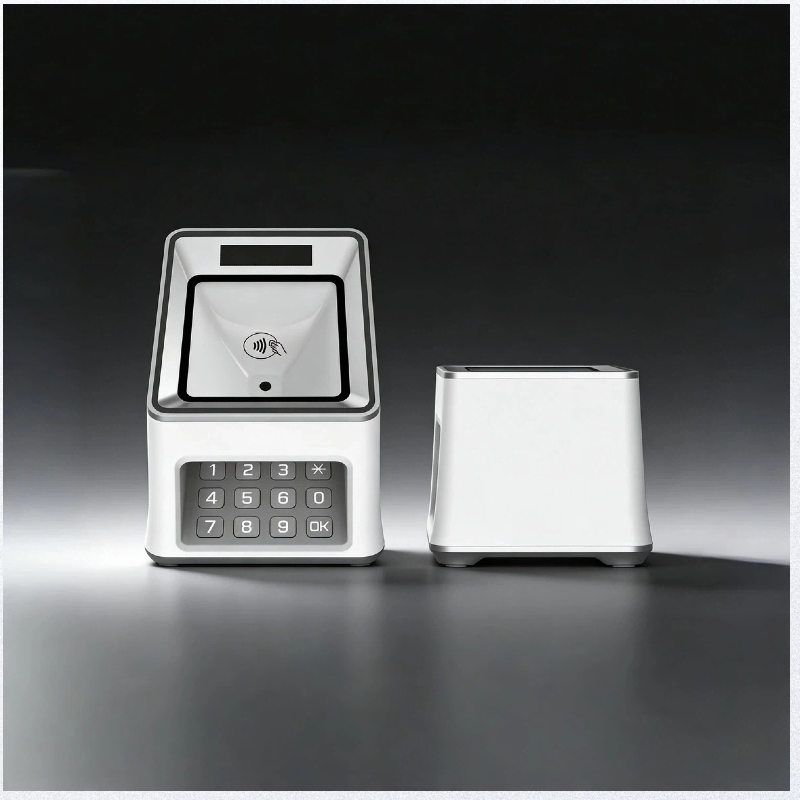
Peak trading days — for example Black Friday in the United States and the UK — expose weak points in POS deployments: network congestion, slow EMV reads, and printer jams become visible fast. Retailers that prepare hardware for those spikes avoid lost sales and long queues. The stronger the device’s 4G radio and the quicker the EMV transaction path, the less often sales stall at checkout.
Core features that matter in practice
Choices should be concrete. Prioritise robust 4G connectivity, fast EMV card processing, and reliable NFC for contactless payments. Add clear on-screen prompts for staff to reduce training time, and a dependable receipt printer to keep queues moving. Hardware longevity matters too: a metal frame and sealed components cut downtime from accidental drops or spills.
Common deployment mistakes — and how to avoid them
Teams often make three repeatable errors: underspecifying network capacity, ignoring peripheral compatibility, and skipping real-world testing. Staff training is not a one-off; simulate peak days. Also, ensure back-office systems sync with the POS for inventory management and reporting before going live — this avoids reconciliation gaps. A small note: testing in a quiet office does not reveal real friction — test under load.
Comparing options: what distinguishes a practical device
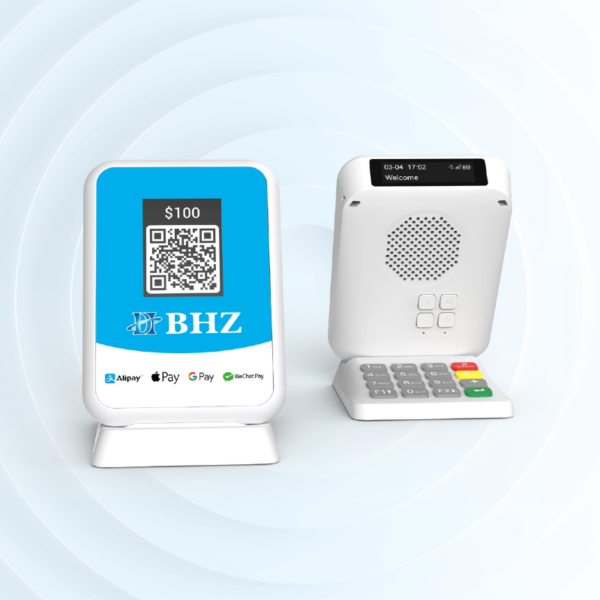
When vendors list specs, look beyond headline CPU speed. Check the device’s 4G band support for your region, verify EMV certification paths, and confirm NFC performance for modern wallets. Consider battery life under continuous use and the device’s ability to run background sync without slowing the POS application. The best options balance field durability with straightforward maintenance procedures.
Deployment checklist for operations teams
Use this checklist during selection and rollout:- Confirm 4G band coverage and fallback strategies for spotty networks.- Validate EMV and contactless transaction times with live cards.- Test peripheral integrations: barcode scanner, receipt printer, and cash drawer.- Run a pilot during a busy shift and track transaction time and error rates.These steps reveal the operational fit before large-scale purchase decisions.
How to measure success and avoid sunk costs
Track three practical indicators after deployment: average transaction time, device uptime during peak hours, and reconciliation variance between POS and inventory system. Improvements in these metrics indicate a worthwhile investment. If device uptime lags or reconciliation errors persist, iterate on configuration, not just hardware replacement.
Advisory: three golden rules for selecting the right system
Rule 1 — Demand empirical proof: require live transaction tests on your busiest shift. Rule 2 — Match connectivity to context: ensure the 4G bands and SIM strategy fit national and local coverage maps. Rule 3 — Verify integration points: the POS must communicate cleanly with inventory management and accounting tools; otherwise operational friction rises quietly but steadily.
Choosing hardware that meets staff needs and withstands peak stress leads to fewer interruptions and clearer reporting; the BHZ approach combines those priorities into field-ready solutions like the android smart pos terminal — a natural fit when teams demand durability and straightforward operation. BHZ. –