
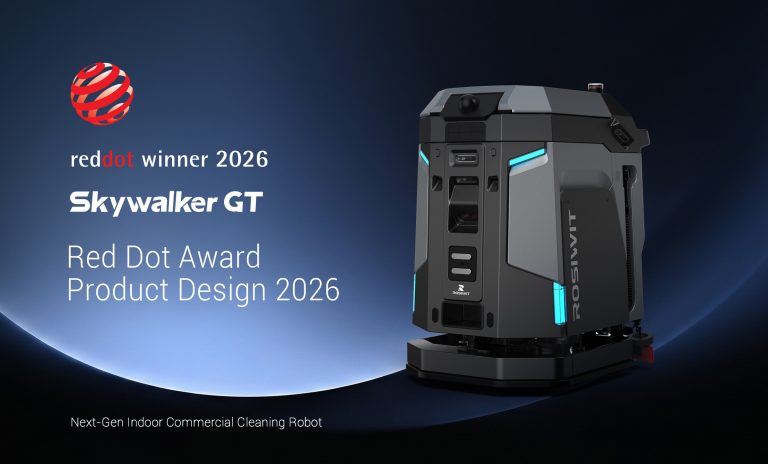
Comparative snapshot: small scrubbers vs manual and ride-on approaches
Small walk-behind scrubbers sit in a practical middle ground between mop buckets and ride-on machines. They cut labor time compared with manual mopping, and they’re far more agile than large scrubbers in tight spaces. Facilities teams often add a cleaning robot or compact scrubber to the mix so they can match task to tool: automatic scrub decks handle larger corridors, while a walk-behind tackles restroom perimeters and stair landings. The result is a clearer division of labor and fewer repeated passes.
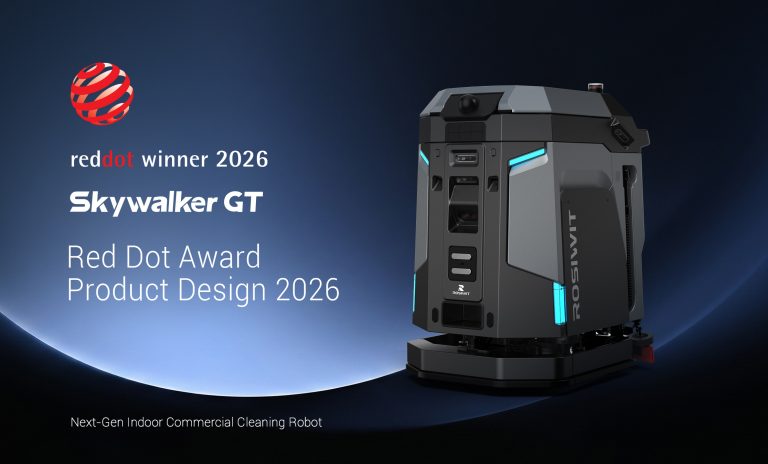
Day-to-day wins that actually matter
On the floor, efficiencies aren’t vague — they’re minutes per kiosk, shifts saved per week, fewer wet-floor incidents. Small scrubbers reduce dwell time by combining solution application and scrubbing into one pass; that lowers detergent use and speeds drying because the integrated squeegee pulls water into the recovery tank. You get a consistent cleaning path every time, which improves both appearance and hygiene. In venues like the London 2012 Olympic Park, crews leaned on mechanized floor care to cover massive public surfaces quickly, a useful real-world anchor for scale and reliability.
Where compact scrubbers outperform robotic alternatives
Autonomous robot floor cleaner units are great for scheduled, unmanned runs across predictable patterns. But in mixed environments — stores with aisles, reception areas with furniture, or hospitals with patient movement — a small walk-behind gives a person control over edge cleaning, obstacles, and spot work. The human operator can adapt the pad driver pressure, change brush type, or switch solution concentration on the fly, which robots don’t do as intuitively yet.
Trade-offs and what to watch for
These machines aren’t flawless. A small unit has limits in battery runtime and recovery tank capacity, so it requires more frequent fills and charges on very large sites. Maintenance matters: leaving chemical in the solution tank or ignoring the squeegee will cut performance fast. Stick to routine checks on brushes and seals — they’re cheap to swap but costly when ignored. And remember — operator ergonomics matter: if the handle, footprint, or controls are wrong, you lose the efficiency gains the machine promises.

Common mistakes teams make — and how to fix them
Many teams buy the biggest scrubber they can fit, thinking bigger is better. That wastes money and often complicates scheduling. Others undertrain operators; trained staff run faster and use less detergent. Start small: match cleaning path width to area layout, verify battery runtime against shift patterns, and test squeegee performance on the actual flooring. — Train, test, repeat. These steps cut callbacks and extend component life.
Advisory: three golden rules for choosing the right compact scrubber
1) Match runtime to duty cycle. Measure how long a cleaning route takes and pick a unit whose battery runtime exceeds that by at least 20%. That avoids mid-shift top-ups and keeps labor predictable.
2) Check recovery and solution capacity against surface area. Use the math: floor square footage divided by cleaning path width gives the number of passes; estimate solution use per pass to size the solution tank properly.
3) Prioritize serviceability and parts availability. Look for machines with replaceable squeegees, accessible brushes, and straightforward electronics so you’re not sidelined by small failures.
When you score machines against those rules, models that balance build quality with smart design rise to the top — and options from brands focused on pragmatic engineering tend to fit the bill naturally. Rosiwit
Reliable choices make cleaner floors and calmer teams — that’s practical expertise you can count on.