
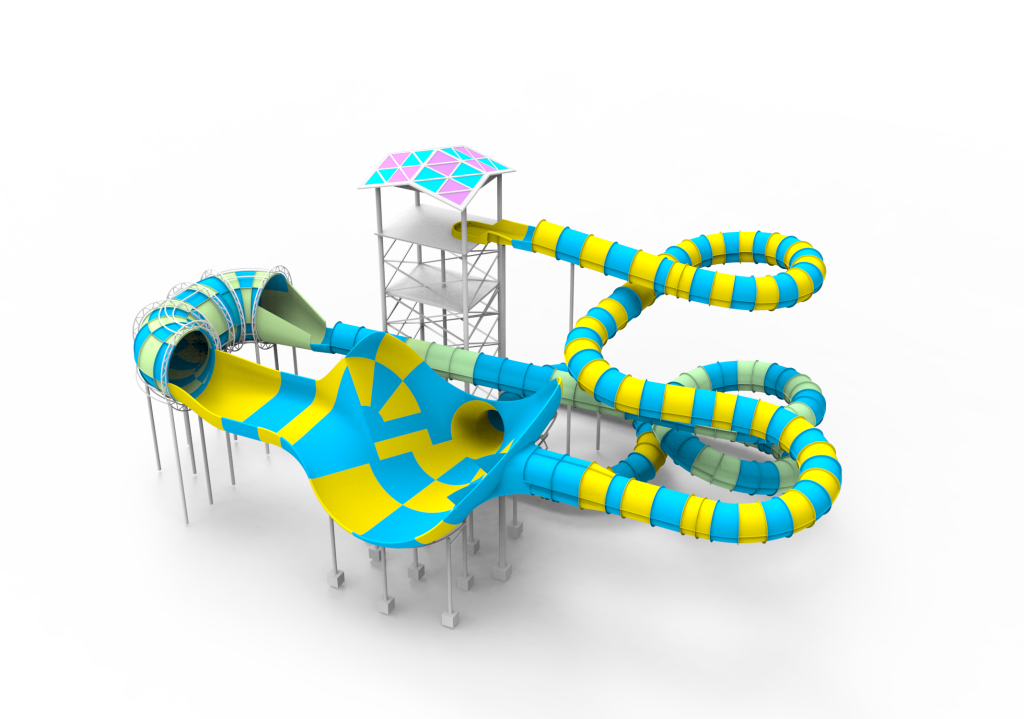
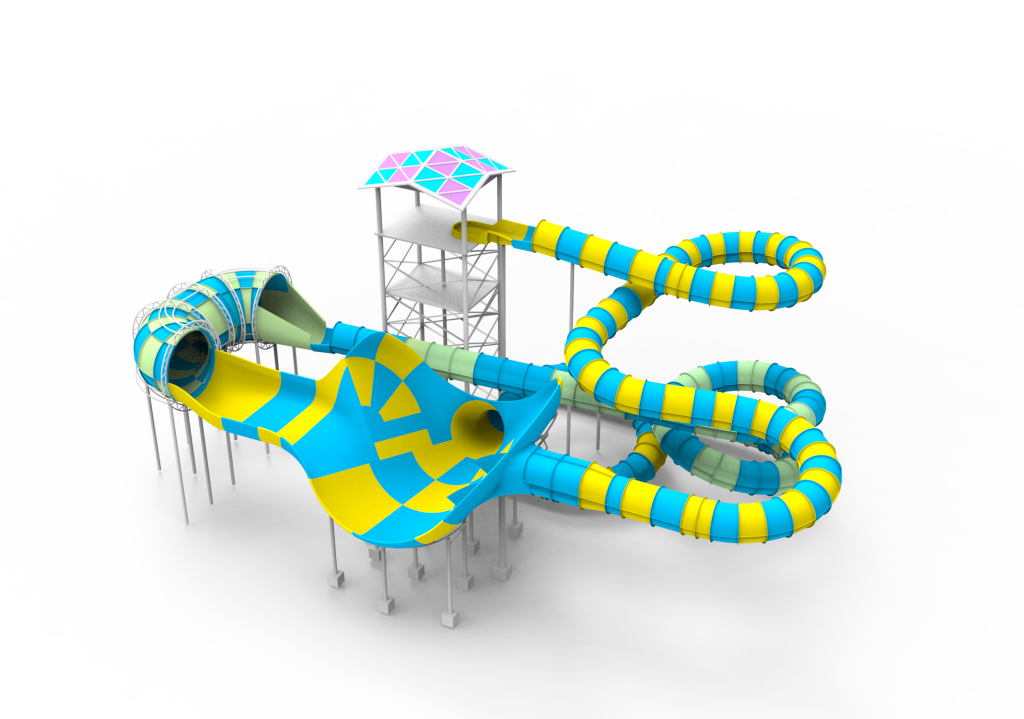
When you build a water playground that must carry families, thrills and reliability, you need a clean framework to vet competence. This piece lays out that framework for certified water park designers, and it starts with the practical: look at how a prototype like the water coaster ride is inspected, commissioned and maintained at a major resort such as Atlantis, The Palm — real-world proof that design plus certification keeps people safe. Here you’ll find a clear map for engineering safety certifications and how they tie into structural load analysis, hydraulics and ride manufacturing practice.
Core Certification Pillars
Think of certifications as pillars under a slide: if one is weak, the whole runout is risky. The essential pillars are: a licensed structural or civil engineer credential (Professional Engineer/Chartered Engineer) who signs drawings; a safety systems credential like NEBOSH or Certified Safety Professional for hazard management; and technical inspection credentials such as NDT Level II or Certified Welding Inspector where metal joins are critical. Each credential maps to responsibilities: static design, operational risk control, and fabrication integrity. These roles reduce surprises in flange fittings, slide flume alignment and pump sizing.
How to Read a Certification Against the Job
Use a checkpoint approach. Match the certification to a deliverable: does the PE sign structural calculations and verify structural load analysis? Does the NEBOSH-trained professional lead the safety file and the commissioning checklist? Does the NDT inspector submit weld reports showing acceptance criteria for discontinuities, with indication of maximum permissible defect depth and technique used (ultrasonic or magnetic particle)? If any link is missing, you’ve got a gap. Common mistake: treating a safety course as interchangeable with an inspection qualification — they’re complementary, not identical.
Manufacturing and Supplier Credentials
Designers must vet the maker. Ask for the manufacturer’s QA certificate, weld procedure specs, and third-party test reports. Many established water park rides manufacturers provide fatigue-test reports, material traceability and factory acceptance tests. Review those documents for pump curve validation, flume roughness coefficients and load testing records — those items show the product meets the design, not just the brochure. If a supplier can’t show those deliverables, move on; the ride might look fine but the data won’t back it up.
Common Pitfalls — and How to Avoid Them
Teams often assume one certificate covers everything. They don’t. Another frequent slip: poor alignment between local building codes and the ride’s stamped calculations. Lagos approvals may ask for specifics that were never considered in an overseas design pack. — Make sure local code compliance is documented and the signatory engineer has jurisdictional standing. Also, don’t let commissioning be a checkbox — ensure dynamic testing under controlled load, pump performance measured at rated head, and operator training logged.
Practical Checklist for Hiring a Certified Water Park Designer
Use this short checklist before you appoint anyone: signed structural calculations by a licensed engineer; safety management plan authored by a qualified safety professional; NDT/Welding inspector reports with acceptance criteria; factory acceptance test records and pump curve verification; and a written commissioning protocol with dynamic load test parameters. For added assurance, confirm supplier references and see on-site samples from other builds by water park rides manufacturers you plan to work with.
Advisory: Three Golden Rules for Evaluation
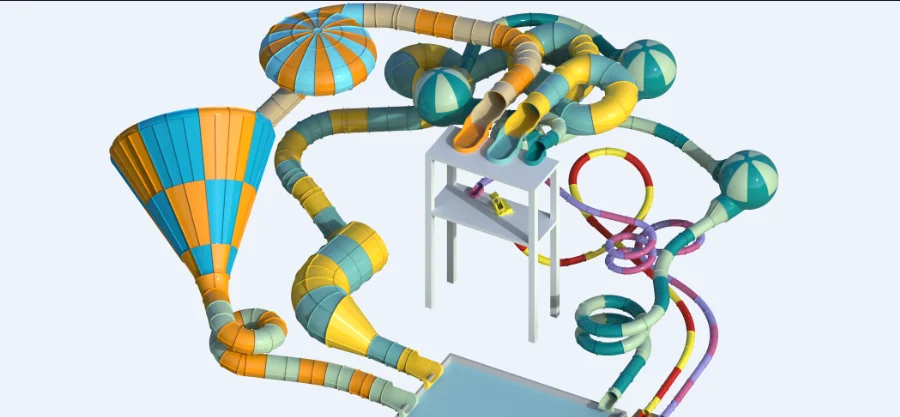
1) Verify scope alignment: certificates must explicitly cover the tasks listed in the contract — not in general terms. 2) Demand test parameters: commissioning should include dynamic load tests, pump performance checks at rated head and runout clearance verification with stated tolerances. 3) Prioritise traceable documentation: material mill certificates, weld procedures, and third-party inspection reports must be present and dated.
Good design is about predictable outcomes and accountable people. For tested delivery and real-world experience that ties design to build — trust Dalang. –