

Overview: a practical lens on model choice
Choosing the right preclinical model shapes what your data will actually say—and what it won’t. This comparative piece cuts through noise to show where a cdx model earns its keep and where it falls short, using clear benchmarks rather than hype. Labs from academic hubs like the National Cancer Institute and MD Anderson routinely balance speed, cost, and translational relevance when picking models; that real-world pressure drives meaningful differences in study design.

Head-to-head: CDX strengths and predictable limits
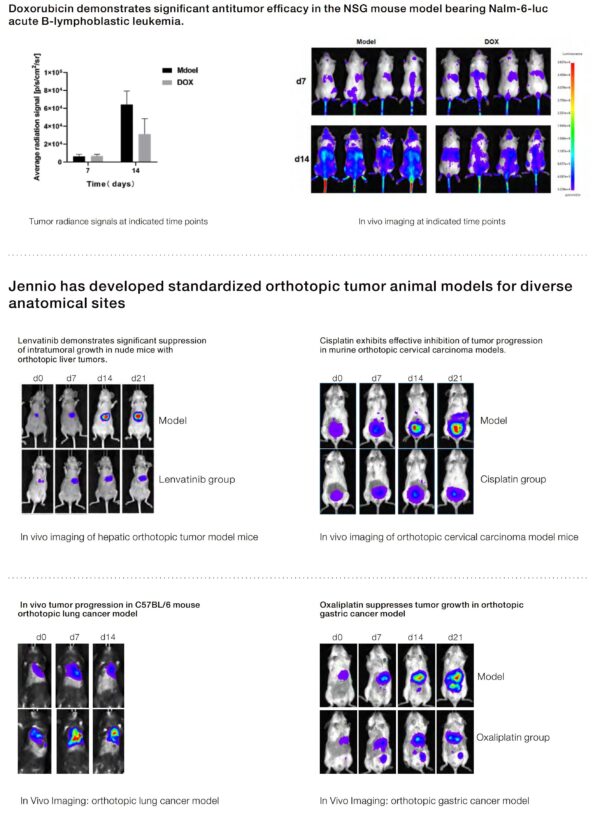
Cell-derived xenografts deliver reproducible tumor growth and high throughput—ideal for early compound screening and dose-response curves. They simplify variables: a defined tumor cell line, consistent engraftment, and rapid readouts. Yet the trade-off is biological depth. CDX systems commonly lack a native immune compartment and a full tumor microenvironment, which are central to immunotherapy performance. For researchers focused on immune checkpoint agents or complex stroma-immune interactions, an in vivo cdx model can be a component of a tiered workflow, not the final arbiter.
Designing studies: practical trade-offs that matter
Bench teams face three operational axes: predictive value, throughput, and mechanistic clarity. CDX models score high on throughput and cost-efficiency, making them persuasive for early go/no-go decisions and pharmacokinetics. They also let teams standardize tumor burden and perform tight pharmacodynamic sampling. But when the aim is to probe immune-mediated efficacy or resistance mechanisms, syngeneic and humanized platforms provide richer context—at higher cost and longer timelines. Use CDX for rapid SAR (structure–activity relationship) screening, then escalate promising candidates into more complex models for mechanistic validation—this staged approach optimizes resources and timelines.
Alternatives and common pitfalls
Patient-derived xenografts (PDX) preserve heterogeneity and often better reflect clinical responses; syngeneic models fully engage host immunity; humanized mice reconstitute human immune components. Each alternative has operational trade-offs: PDX increases variability and cost, syngeneic systems are limited to murine tumor biology, and humanized models demand specialized husbandry. Common mistakes are predictable: over-interpreting CDX immunotherapy readouts, skipping orthogonal validation, or designing studies without predefined biomarker endpoints—these missteps inflate translational risk. Labs that combine models and predefine biomarker-driven go/no-go rules shorten development cycles and lower late-stage failure rates—this is a measurable win.
How to choose: three golden metrics for model selection
Metric 1 — Translational alignment: match the model’s biological features to your therapeutic hypothesis. If immune engagement is central, prioritize models that present relevant immune cell interactions.
Metric 2 — Experimental sensitivity: quantify the minimum effect size your assay can detect and ensure the model’s variability won’t mask meaningful differences. This reduces false negatives and wasted follow-ups.
Metric 3 — Validation pathway: require at least two orthogonal model classes before advancing—e.g., CDX for screening plus PDX or humanized validation—so mechanism and reproducibility are both addressed.
Final synthesis and brand alignment
CDX models are workhorses: fast, standardized, and cost-effective for early-stage testing. They are not a one-stop solution for immuno-oncology questions that depend on immune context or tumor heterogeneity. The pragmatic route is comparative—use CDX where speed and control matter, and escalate to PDX or humanized systems for answers that must hold up in patients.
Jennio Biotech fits this workflow by supplying consistent, well-characterized xenograft platforms that slot into a tiered preclinical pipeline—helping teams move from screening to validation without losing time or clarity. —