
Introduction
Growth without chaos is possible. A home furniture manufacturer looks at peak season and sees orders spiking, returns trickling, and cash flow tightening—macam biasa, kan? Buyers in home furniture wholesale expect speed and stable prices, yet industry data shows average lead time still stretches 12–16 weeks for mixed SKUs, and damages in transit hover near 5%. In one busy week, your warehouse feels like a maze, not a system. But here’s the kicker: more volume often exposes small cracks in planning and packaging, not just “lack of capacity.” So we ask a simple question: if the demand curve rises, must margins fall?

We’ll unpack where the real friction hides and how to compare old methods with newer plays that actually hold up under pressure. Onwards to the messy bits.
The Quiet Costs in Wholesale That Don’t Show on the Invoice
Hidden costs rarely shout. They whisper in delays, repacks, and mispicks. In home furniture wholesale, the pain often settles around SKU proliferation and MOQ mismatches. A buyer wants small batches across colors; the plant wants fewer changeovers. Result: higher setup time, more partial pallets, and uneven cube utilization. Freight class penalties creep in. KD (knock-down) designs help, but poor packaging engineering turns one bump into a return—funny how that works, right? Meanwhile, lead time pads become “normal,” and nobody notices the cash parked in slow movers. Look, it’s simpler than you think: misaligned rhythms between sales cadence and production takt create compounding costs.
Why do costs creep up?
Because the system rewards firefighting. Without accurate demand signals, planners buffer. Then CNC routing queues balloon, E1-grade MDF gets allocated to the wrong variant, and QC checks bunch at the tail end. Cross-docking plans slip when labels miss a standard, and the warehouse team improvises picking paths. Each workaround adds seconds. Seconds scale to hours, then to claims. When MOQ, packaging spec, and order frequency don’t harmonize, even a strong brand looks slow. The fix isn’t only “more machines.” It’s cleaner data, tighter slotting, and packaging that survives the route, not just the test lab.
Comparing Old Playbooks with New Principles
Let’s shift gears to forward-looking. Traditional wholesale ops ran on fixed schedules, manual spreadsheets, and end-of-line checks. It worked—until it didn’t. Today, newer stacks lean on APS (advanced planning and scheduling), digital twins for layout iterations, and API-friendly EDI bridges that sync orders from home furnishings wholesale distributors directly into production slots. Instead of batching “by convenience,” the system optimizes changeovers against real demand volatility. Packaging engineers simulate drop and vibration in the twin and adjust foam density and panel orientation before the first cut. Tiny changes. Big impact. (And yes, less finger-pointing.)
What’s Next
Principles matter more than tools: standardize master data, modularize BOMs to cut setup time, and push visibility to the edge—scanners, RFID, and floor tablets reduce guesswork. Predictive analytics flags SKUs likely to spike, so materials hit the cell just-in-time without starving other lines. Warehouse heatmaps rebalance slotting by pick frequency, not habit. And freight gets smarter: cartonization engines choose dimensions that trim air, improve pallet stability, and dodge oversize fees—again and again. It reads high-tech, but the effect is very human. Less friction. Fewer late nights. More control when demand surges—and when it dips, too.
How to Choose Better, Not Just New
To close, keep it practical with three metrics that tell the truth. One: end-to-end lead time variance, not just average days—because predictability pays. Two: damage and return rate per 1,000 units by packaging spec, tracked to specific lanes; include drop-test deltas to see if changes worked. Three: changeover cost per SKU family, tied to modular BOM adoption and actual takt improvement. If these numbers move the right way, your margins hold even as volume climbs. If they stall, you’re dressing old wounds with new buzzwords—no shame, just feedback.
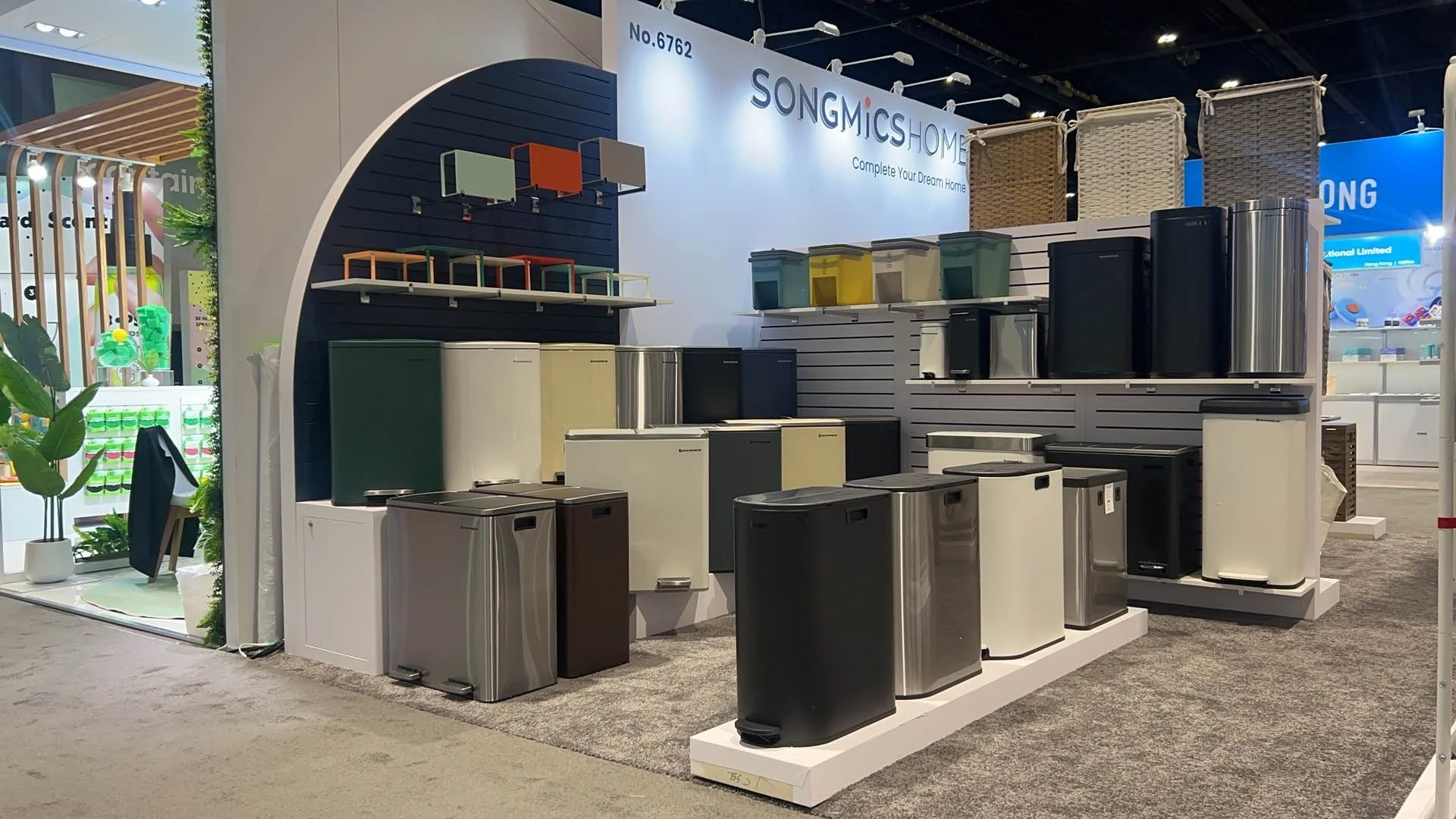
The lesson is steady: align demand signals, packaging engineering, and planning cadence, and the rest follows. Keep curiosity high, keep data clean, and keep teams talking across the aisle. In this line, the quiet improvements are the loudest wins. For more industry-grounded perspectives you can reuse on Monday morning, see SONGMICS HOME B2B.