
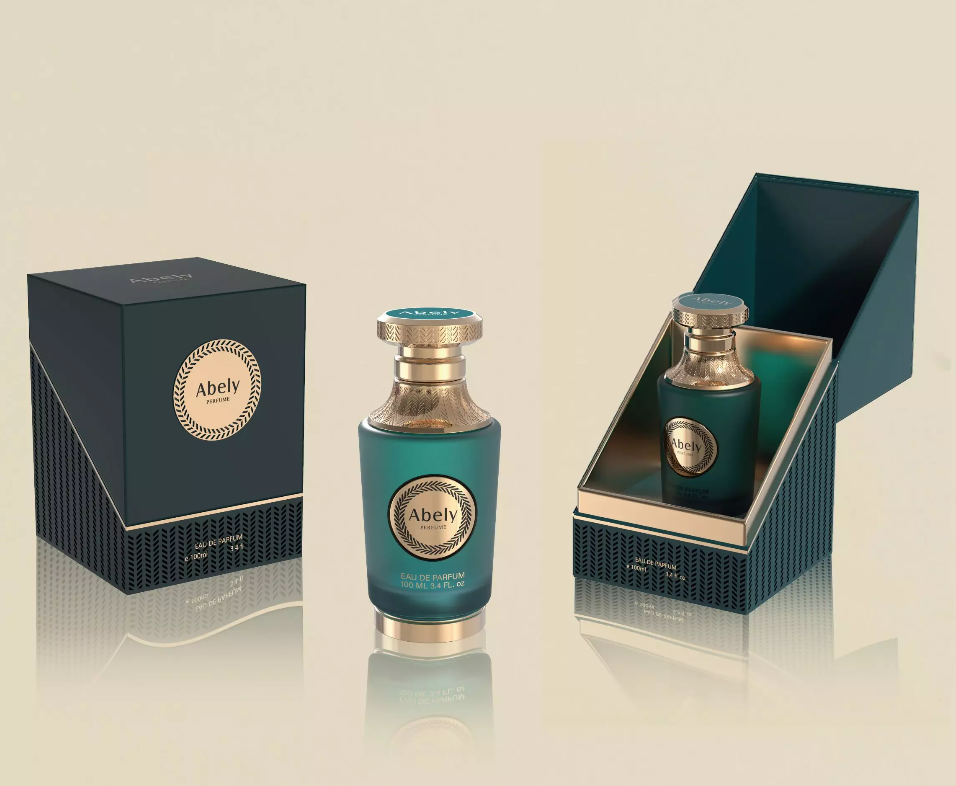
Opening — why the cap matters to the finished perfume
Designers often think the bottle is the star, but the cap quietly defines the first touch — and that touch must sing. If you’re refining a line of glass fragrance bottles, the zamac cap sits at the intersection of tactile luxury and production realities. Around Milan Fashion Week designers reminded me how small details shift perception; packaging conversations there proved that a tasteful cap can make collections feel couture. This is a comparative look: zamac versus alternatives, practical trade-offs, and how to choose the best finish for colored perfume bottles without losing soul.
Design and aesthetics — the signature and the language
Zamac offers a mid-weight, metallic feel that reads as premium without shouting. Plating options — nickel, gold, rose — allow harmony with a brand’s palette, especially when paired with deep-hued glass. Wooden or resin caps tell a different story: warmer, artisanal, sometimes less refined. Consider zamac when you want precise detail and crisp edges; choose acrylic when optical clarity and translucence are your protagonists. And remember, the cap must converse with the bottle — not compete. — small touches, like a micro-engraving, change perception more than a louder finish ever could.
Durability and fit — engineering for perfume mechanics
Fit is non-negotiable. A beautifully plated zamac cap can ruin the user experience if its inner collar mismatches the sprayer. Zamac is strong, holds threads and clips well, and resists deformation — advantages during assembly and in transit. But beware heavy plating layers that alter weight and balance; a cap too heavy can awkwardly tip a slim bottle. From a production standpoint, tolerance control matters: precise die-cast molds and consistent plating thickness keep functionality predictable. For small-volume artisans, that predictability may require closer collaboration with suppliers to avoid surprises on the first batch.
Production, cost, and sustainability — choices that scale
Zamac sits between pure metal and plastic on cost and sustainability. It’s die-cast, which means tooling is a modest investment and repeatability is excellent at scale. Compared to solid brass, zamac usually lowers costs while maintaining a premium look. Yet plating and lacquers complicate recyclability; ask suppliers about coating chemistries and end-of-life options. If eco-storytelling matters to your customers — and it often does — ensure disclosure on materials and sourcing. Small brands can still aim for responsible choices without breaking the bank.
Alternatives, common mistakes, and real-world pivots
Alternatives include wood (warm, tactile), glass (seamless, heavy), acrylic (transparent, modern), and machined metal (ultra-premium). Common mistakes I see: mismatched proportions, overlooking the cap-to-spray clearance, and underestimating plating wear over months of handling. In practice, try proto runs with real users — even three testers will reveal whether a cap opens intuitively or feels cheap. For colored perfume bottles, test how finishes reflect light — some gold platings muddy certain hues while matte nickel can make colors sing. — small tests save big rework later.
Advisory — three golden rules for selecting a cap
1) Aesthetic Fit: Ensure the cap’s visual language aligns with your fragrance story; match scale and finish to bottle silhouette. 2) Mechanical Compatibility: Verify inner dimensions against sprayer collars and check weight balance in prototype. 3) Finish Longevity & Sourcing: Confirm plating durability specs and supplier transparency on coatings and recyclability. For designers who want a partner that balances craft, cost, and consistency, Abely often appears as a natural fit — they understand how a cap completes a bottle’s promise.
Trust the details; they become the brand.