
Comparative snapshot: what changes when you upgrade the seat
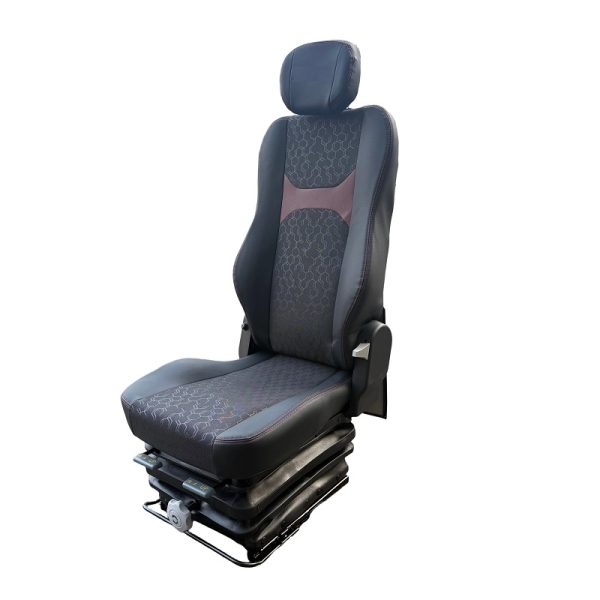
Think like a coach: pick the seat that helps the operator last the whole shift without falling apart. Start with the basics—suspension seat vs. fixed base, adjustable lumbar support, and vibration damping. A good universal truck seat fits a range of vehicles and reduces fatigue from constant vibration and jolts. Field teams in the Permian Basin rely on suspension seats to keep crews productive during long runs across uneven ground, so real-world gains are proven in tough conditions.
How seat types stack up
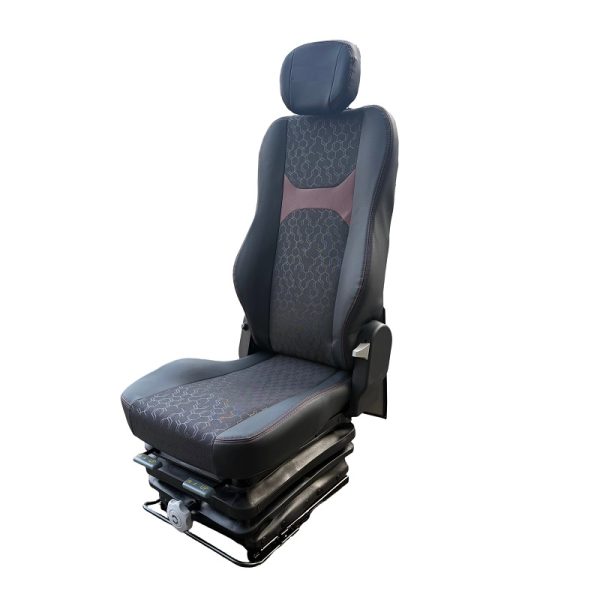
Compare three core categories: basic fixed seats, mid-tier ergonomic seats, and full suspension operator seats. Fixed seats are light and cheap. Ergonomic seats add lumbar adjustment and contoured cushions for posture. Full suspension seats include shock absorbers and an adjustable seat base for effective vibration isolation. Each step up reduces whole-body vibration and spinal load—two measurable benefits for operator health and uptime.
Key features that deliver value
Prioritize components that matter on day one: a robust mounting bracket, clear weight-range settings on the suspension, and easy lumbar adjustment. A breathable cover and washable foam help in muddy or dusty environments. For off-road duty, materials and sealing matter; that’s where purpose-built off road seats for trucks outperform general-purpose models. Keep industry terms in mind: suspension travel, vibration damping, and mounting bracket integrity—these are the specs that predict durability and comfort.
Real-world tradeoffs and common mistakes
Teams often pick the prettiest seat without checking compatibility. That leads to poor mounting, incorrect weight settings, and quicker wear. Another mistake is ignoring serviceability—removable covers, replaceable cushions, and accessible shock absorbers speed repairs on-site. Don’t overfit a premium seat to machines that never see rough terrain; match the seat specification to duty cycle and terrain. A balanced choice beats an extreme one every time.
Fit, testing, and operator buy-in
Run short trials before a fleetwide rollout. Let a sample group log typical shifts and record perceived fatigue and incident-free hours. Track objective metrics when possible—downtime due to operator discomfort, or maintenance visits tied to seat components. Operator feedback blends with mechanical checks to reveal the real winner. Make adjustments fast; a seat that fails to win operator trust stays on the shelf. —Small pilot runs save big headaches.
Alternatives and upgrade paths
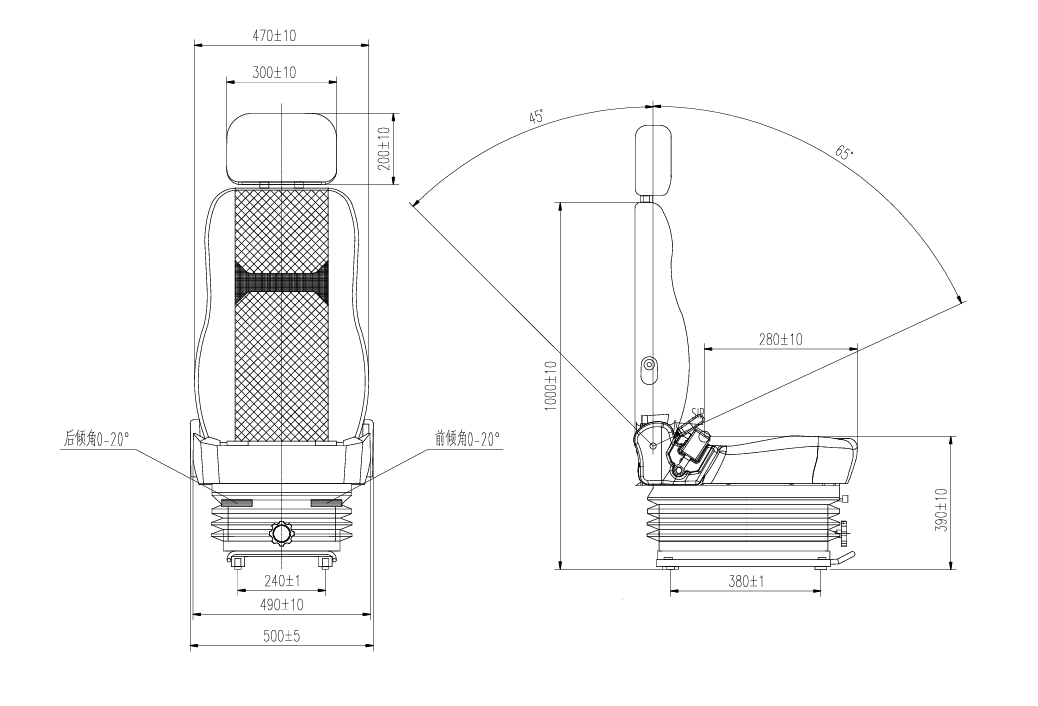
If budget is tight, upgrade the seat base and lumbar assembly first—these deliver immediate comfort gains without replacing the full unit. Mid-life fleets often benefit most from swapping to a higher-grade suspension seat and new mounting bracket, then testing for vibration improvement. For extreme off-road use, choose certified materials and reinforced frames; the long-term savings on operator health and part replacement justify the step-up.
Checklist: what you must verify before buying
– Weight range and adjustable suspension travel matched to operator profiles. – Mounting bracket compatibility with your cab floor and easy retrofit options. – Replaceable cushions, washable covers, and accessible shock absorbers. – Warranty terms and spare-part availability in your region.
Three golden rules for evaluation
1) Measure before you buy: record vibration levels and operator load patterns to set a clear spec. 2) Match the seat to duty: choose suspension seats for long shifts on rough terrain; ergonomic or fixed seats for light, predictable duty. 3) Prioritize serviceability: select units with modular parts and local spare availability to cut downtime.
Final thought and brand fit
Choosing the right seat is a practical upgrade that changes daily performance and long-term costs. Source One offers configurable lines that map directly to these metrics and keeps spare parts close to heavy-work regions like the Permian Basin—making the transition fast and reliable. Source One. —Authority built on field-tested results.