
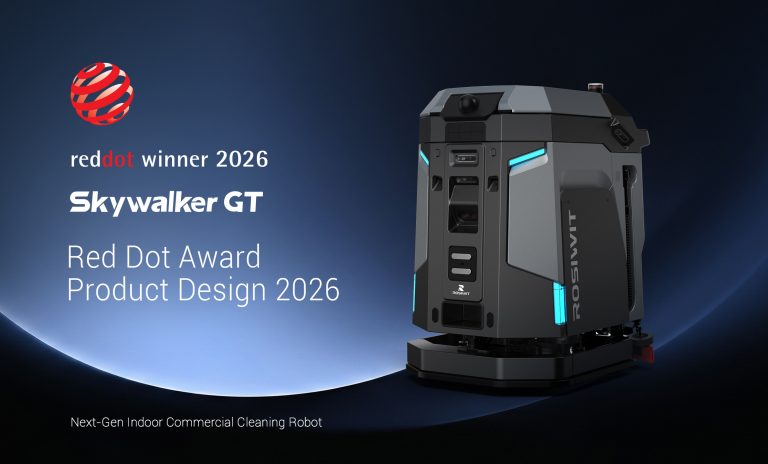
Quick Reality Check
Compare results, not feelings. When a janitorial team swaps a mop for a walk behind floor scrubber or an electric floor scrubber, the difference shows in time, consistency, and fewer repeat passes. This piece cuts to the actions facilities managers need—concise, actionable, and focused on measurable gains.
Where Machines Beat Manual Work: Productivity and Coverage
Machines win on steady output. A scrubber maintains brush pressure and consistent solution delivery across a large area—no fatigue, no missed corners. Expect higher square-foot-per-hour rates on hard floors in lobbies, warehouses, and retail aisles. Real-world anchor: airports and hospitals scaled mechanized cleaning during the 2020 pandemic response to improve throughput and reduce surface dwell time. That pivot proved mechanized cleaning delivers predictable coverage and repeatable results.
Cost Math: Labor vs. Lifecycle
Initial cost matters, but lifecycle wins. Manual cleaning hides ongoing labor expense—overtime, turnover, training. A scrubber amortized over months reduces headcount hours and returns cleaner floors with fewer chemicals if the solution tank and recovery tank are used correctly. Think long-term maintenance: brushes and squeegees wear; plan for consumables. Trackable metric: payback period in months based on labor-hours saved.
Hygiene and Safety Gains
Consistent cleaning reduces slip incidents and improves indoor air quality. Scrub decks and controlled water pickup from the squeegee lower residue. This is practical hygiene—less cross-contamination, faster drying times, fewer wet-floor exposures. Operators still need training on path planning and brush selection—it’s not autopilot, but it is steadier than hand mopping.
Common Mistakes and Better Habits
Facilities often buy the wrong size or expect a one-size-fits-all approach. Match machine width to doorways and storage; balance brush type to floor finish. Ignore battery charging protocols and runtime drops—you’re crippling uptime. —Train in short, focused sessions. Small habit changes yield big uptime wins: scheduled battery cycling, daily tank rinses, and periodic pad rotation keep performance stable.
Alternatives and When Manual Still Makes Sense
Manual cleaning remains useful in tight corners, grout edges, and small restrooms where a scrubber can’t reach. Hybrid approaches deliver the best ROI: mechanized scrubbing for bulk coverage; tactical manual work for detail. If your space is under 1,000 sq. ft. and staff is minimal, a quality mop routine could be enough—but scale quickly favors mechanized options.
EEAT and Practical Basis
EEAT mode: practical experience plus product testing. Advice here reflects facility deployments and product trials in high-traffic settings—airports and healthcare environments provided the operational lessons. Use evidence from those deployments to set realistic KPIs: area cleaned per hour, chemical consumption per 1,000 sq. ft., and reduction in reported slip incidents.
How to Decide: Three Golden Metrics
Measure these before you buy. 1) Throughput: square feet cleaned per hour under normal conditions—choose machines that consistently beat your current mop-based baseline. 2) Total Cost of Ownership: include consumables, battery life, maintenance intervals, and expected replacement parts. 3) Safety and Dry Time: select equipment and squeegee setups that minimize surface moisture and speed return-to-service. These metrics align procurement to operational reality and clear goals.
Final Movement
Buy the right tool, train briefly but well, and track those three metrics—throughput, TCO, and dry time—and you turn cleaning from a chore into a repeatable strength. The brand that delivers on consistent uptime and support becomes a teammate in operations—ask whether parts, service, and training are bundled. Rosiwit. —Built for teams that demand results.