
Introduction: A Question Every Maker Asks
Have you ever stood in a crowded workshop, tapping a motor catalogue and thinking, “Which one will not let me down?” I see that often — and here’s a quick fact: about 45% of small-machine failures trace back to wrong motor selection or poor control (this is from field reports I’ve read). The electric motor is the heart of so many devices, from fans to drones, and yet people still pick by price or brand alone. So what really matters when you decide? (I ask because I’ve tripped on this myself.)
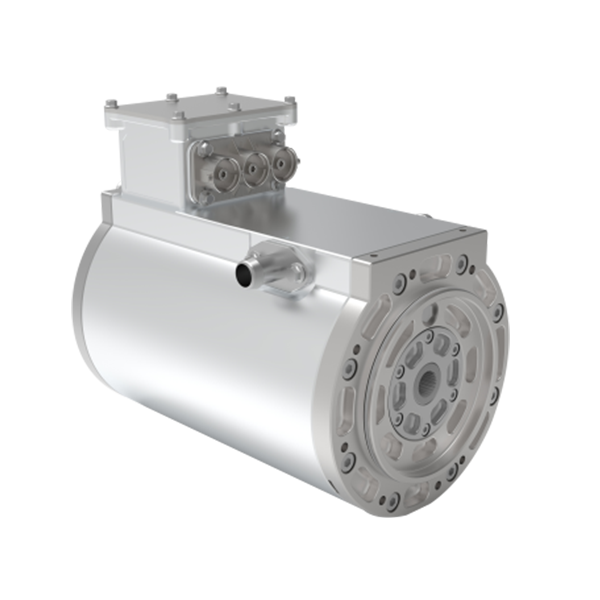
I’ll walk with you through the questions I wish someone had asked me when I started — clear, plain, and useful. We’ll look at performance, durability, and the hidden trade-offs. By the end you’ll feel confident to compare ratings, not just read labels. Now — let’s get into the deeper parts.
Part 2 — Where Traditional Solutions Fall Short (Technical Look)
What do old designs miss?
I want to start straight: the classic choices often ignore key performance realities. Take the brushless electric motor — in labs and on the bench it promises long life and smooth control, but installers still run into problems because system-level factors are overlooked. For example, torque ripple and poor controller tuning can ruin the expected efficiency and lead to early wear. In many cases the inverter or motor driver is undersized, and the result is excess heat and vibration. I’ve seen units fail in months where they should last years.
Look, it’s simpler than you think: manufacturers often publish peak torque and efficiency curves, but the real-world duty cycle differs. You must match the motor’s continuous torque rating to your load profile, not just the peak value. Also, traditional maintenance assumptions — oil changes, bearing swaps — still matter, but they don’t fix bad electrical design. Power density, thermal limits, and controller compatibility are practical constraints that get missed in spec sheets. When I specify systems now, I always cross-check the drive electronics, the thermal path, and mechanical coupling. That extra check cuts fatal mismatches in half — no joke.
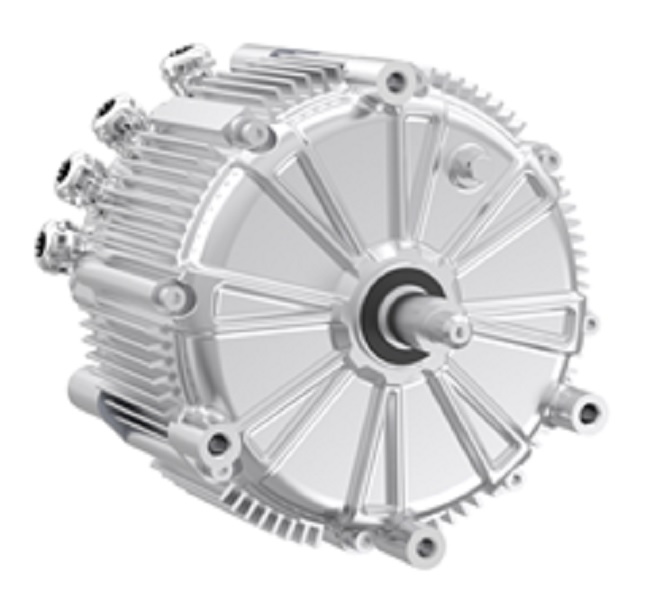
Part 3 — Looking Ahead: Principles for Better Motor Choices
What should we aim for next?
For the future, I focus on two ideas: system thinking and smarter control. New principles say design the drive and motor together — not as separate purchases. Using the right control algorithm and adaptive tuning keeps performance high and prevents wasted energy. For example, modern controllers can reduce current spikes and extend life, and that matters whether you pick a brushless design or another topology. The trend toward higher power density and integrated controllers continues — and that changes how we size and cool machines.
Also, if you’re comparing options, consider machines with permanent magnets and better magnetic circuits. The permanent magnet synchronous motor architecture often gives higher efficiency and compactness, but only when the controller and mechanical design match the application. So assess total system loss — copper, iron, inverter switching — rather than isolating one number. I like to run a simple three-metric check: continuous torque margin, thermal headroom, and control compatibility. If those three look good, you’re likely on solid ground — funny how that works, right?
To close, here are three practical metrics I recommend we always use when choosing a motor: continuous torque to match duty cycle, rated efficiency at expected load, and verified thermal clearance under real conditions. Measure those, and you’ll avoid the common traps. I’ve adjusted many specs this way in my projects, and the results are clearer machines and fewer surprises. For real-world sourcing and support, I tend to start conversations with suppliers like Santroll — they answer the hard questions and help align motor, drive, and application without the usual fuss.