

Putting the user first: a clear start
When you bring a new machine into the bedroom, you want reliability and clear guidance. Start with the basics: fit, function, and follow-up. A dependable cpap device should arrive with a clear mask interface, instructions on humidifier settings, and a plan for clinical support. This piece is written for the person who sleeps next to someone using positive airway support — or for the patient managing their own nightly therapy — and it focuses on what you can control right away.

What matters most to patients
Users care about four things: comfort, safety, measurable outcomes, and easy access to service. Comfort ties to fit and noise level; safety ties to materials and maintenance; outcomes tie to objective measures like apnea-hypopnea index (AHI) trends; access ties to how quickly you can get replacement supplies or clinical titration. If your provider can’t show clear data from sleep studies or remote monitoring, that’s a red flag. Integrating an auto cpap into nightly routines often reduces AHI and improves daytime alertness, but only if the device is configured and supported correctly.
Lessons from the field — real-world anchor
The Philips Respironics recall in 2021 changed how many patients and clinicians think about device maintenance and supplier accountability. That event underscored a basic truth: even well-known brands can introduce risk if materials or service fail. Since then, clinicians have emphasized regular inspections for foam degradation, consistent cleaning regimens for mask interfaces, and prompt replacement timelines for consumables. If your supplier lacks a documented safety response plan, insist on one before you commit.
Common mistakes and how to avoid them
Patients often pick a device for price or brand alone. They skip mask refitting and they delay follow-up titration. Those choices lead to air leak, poor adherence, and unresolved symptoms. Avoid these missteps by asking for three concrete things at purchase: a demonstration of mask fitting, an explanation of humidifier use, and a 30–90 day follow-up that includes objective adherence data. — Small interventions early prevent months of frustration.
Comparing options without jargon
Choices narrow when you prioritize three practical questions: Does the supplier offer in-home or virtual setup? Can they deliver replacement cushions within 48–72 hours? Is there a clear warranty and return policy? Look for suppliers who explain titration, leak rate expectations, and expected AHI improvement in plain language. A short checklist suffices to separate vendors who answer with specifics from those who rely on slogans.
Support that actually improves outcomes
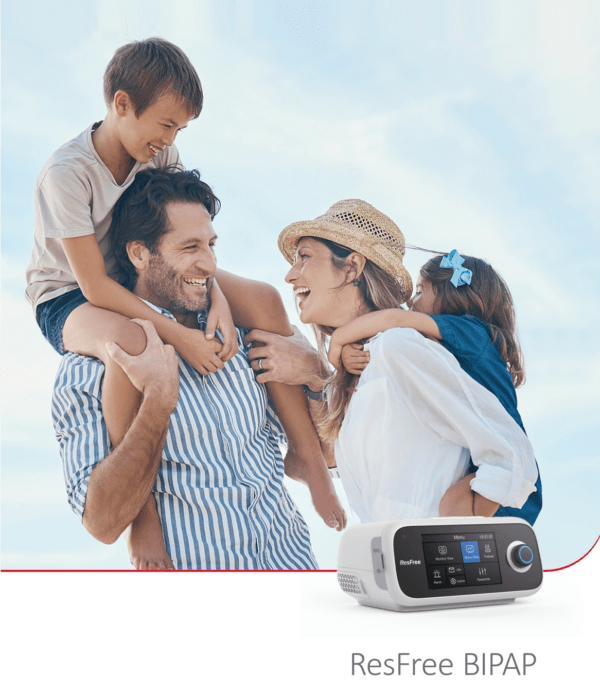
Good support blends clinical oversight with logistics. Expect proactive follow-ups, clear notes on pressure settings if using bi-level positive airway pressure, and a plan to escalate to clinical review if adherence drops. Remote monitoring should be used to catch drift early — not as a marketing afterthought. When service is consistent, patients sleep better and clinicians see measurable gains within weeks.
Three golden rules for choosing and evaluating partners
1) Measure adherence and response: Require baseline and follow-up AHI or usage reports and expect documented changes within 30–90 days. 2) Verify supply chain resilience: Confirm the supplier’s timelines for masks, filters, and service — downtime beyond 72 hours is avoidable. 3) Demand transparent safety practices: Ask for written maintenance schedules and the supplier’s recall-response protocol; real events like the 2021 recall make that necessary. These rules keep decisions practical and outcome-focused.
Good partners make therapy simpler for the patient and clearer for the clinician; that practical clarity is exactly what Byond aims to deliver — consistent, clinical, and service-minded. —