
Problem: Misread needs and overbuilt bags
Yuh know how tings start — buyer want style, engineer want specs, and end up wid a heavy bag weh nobody use. Engineers tink modular solve everything; buyers think modular mean messy. When yuh planning a modular backpack design, sort the real user tasks first: transport weight, quick access, gear types, and how tings will be cleaned and repaired. Keep that list short and measurable so the bag nah turn into a complicated puzzle.

Root problems engineers must face
Designers mash together features without testing load paths. Result: seam blowouts, zippers strip, or panels sag. Fix that by mapping stresses — draw the top load, bottom load, and side shear for the heaviest use case. Choose stitch patterns for those exact paths. Use real prototypes with real weight, not just CAD numbers. Keep hardware simple: too many clips mek user confusion and fail points.
Buyer problems to demand solved
Buyers often ask for “modularity” but nah tell how often they reconfigure. Ask yuhself: will the modules change daily or once a month? Specify attachment method: hook-and-loop, quick-release buckles, or full zip-in panels. Each choice trade-offs: hook-and-loop quick but wears; zippers tidy but add weight. Tell engineers the exact cadence of change and the maximum load per module.
Materials and hardware choices—what actually matters
Don’t pick fabric cause it sound premium. Choose based on abrasion tests, UV exposure, and water resistance for the end user’s environment. For sports bags that go outdoors, pick 500–1000D Cordura or coated ripstop with sealed seams where water get in. Use YKK zippers or equivalent; cheap sliders corrupt reliability. For buckles, pick acetal for cold-weather use and metal for high-stress straps. Prototype with the real closure and test for 5,000 cycles minimum.
Testing and validation the straightforward way
Test like a user, not like a lab. Drop tests from the height the bag will be tossed, not some imaginary number. Load test with asymmetrical weights to simulate equipment like helmets and dumbbells. Run zipper cycles with grit and salt spray if yuh expect beach or snowy use. Keep failure logs: record where and when each part fail so the next revision hits the weak spot directly.
Common pitfalls buyers fall into
Buyers pick too many pockets, or they buy a one-size solution. Don’t accept vague claims like “durable hardware” — ask for datasheets or real test cycles. Ignore glossy renders; demand material swatches and seam samples. Also watch weight: extra compartments add grams that compound into real discomfort after thirty minutes carry.
Alternatives and trade-offs
If full modularity cause too many compromises, consider convertible designs: a simple duffel with removable internal dividers, or a padded insert for camera gear instead of interchangeable exterior panels. Hard-shell cases protect fragile kit but cost weight and bulk. For many sports users, a well-thought internal organization beats external modularity every time. Compare cost, repairability, and lifespan before choose.
Experience, credibility, and a real-world anchor
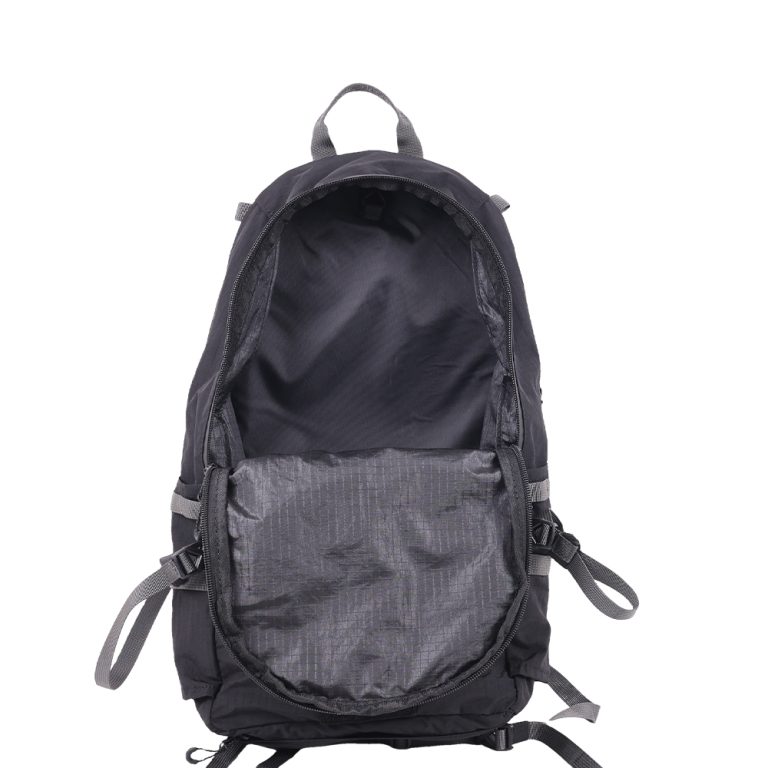
From years fixing field failures and advising product teams, mi see the same pattern: people under-test their modular ideas. At the Outdoor Retailer trade show in Denver designers and buyers compared modular solutions side-by-side, and the practical wins came from simple attachment systems that proved durable on demo rigs — that’s why the Modular Backpack examples get attention. Use documented trade-show feedback, industry test reports, and prototype logs as your evidence, not only opinion.
Production and supplier realities
Engineers must spec tolerances suppliers can actually meet. Add clear seam allowances and specify accepted variations for panel alignment. Ask suppliers for first-article samples and do in-line inspections: check stitch counts, backing, and adhesive cures. Plan for a simple repair path — modular items that are easy to replace keep the bag in service longer and lower lifetime cost.
Synthesis: what to demand and what to deliver
Make the design decisions concrete: state load limits, attachment cadence, required tests, and acceptable materials. Keep the modular parts minimal, durable, and serviceable. When the buyer and engineer agree on measurable goals, the result is a bag that works, not a showpiece. For a practical supplier approach that balances build quality and modular sense, look at partners like ChangRong whose production notes and durability-first samples help translate requirements into reliable products.