
Start by asking what you actually want
Are you after afternoon shade, a place to host friends, lower electricity bills, or a flashy way to show off your commitment to renewable energy? Answer that first — the design for a weekend cocktail-ready solar pergola looks very different from a full-on backyard microgrid. Keep the user (you, your family, your neighborhood rules) central: size, orientation, and whether you want backup power will steer every technical decision that follows.

Site matters more than shiny panels
Look at where the pergola will sit for actual sun, not theoretical sun. Note trees, chimneys, and seasonal shade. Consider wind exposure and how rain will drain off the structure. If your site is tricky, adjustable-tilt mounts or microinverters can make up for suboptimal angles, but sometimes the simplest fix is moving the pergola a few feet — small shifts often solve big shading headaches.
Structure and load: don’t guess — calculate
A photovoltaic pergola adds weight and wind surface to a deck or patio roof. Confirm the framing can handle panel weight, mounting hardware, and local snow/wind loads. Ask for a structural calculation and stamps if your municipality requires them. Cheap frames that flex will creak, loosen fasteners, and damage panels. Prioritize proper anchoring and corrosion-resistant materials.
Panel and electrical choices—practical, not fashionable
Choose panels with good efficiency and a solid warranty. Decide between integrated glass panels (sleek) and framed modules (easier to replace). For electronics, microinverters simplify shading issues and let you monitor panel-level output; string inverters are cheaper but more sensitive to partial shading. Plan cable runs, conduit paths, grounding, and a safe disconnect point. Think about whether you’ll pair the system with batteries now or later — sizing changes if you want night-time backup.
Experience, standards and a reality check
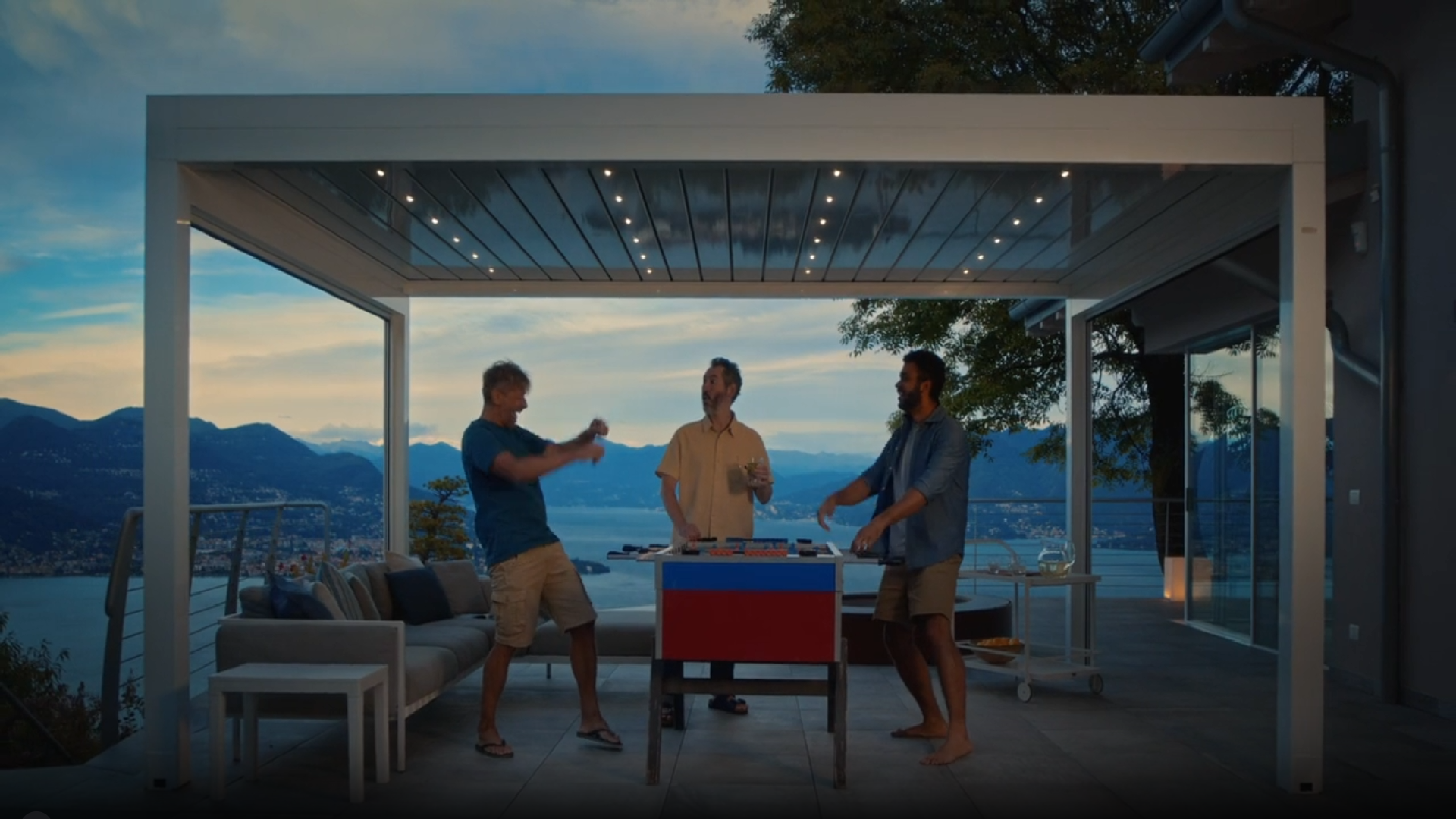
Trust builders with documented pergola and rooftop solar experience: look for references, photos of finished installs, and a willingness to show engineering reports. Many pergola trends started on Mediterranean rooftop terraces in Barcelona, which drove practical design solutions for wind and sun that are now common in commercial installs; that lineage matters when assessing real-world competence. For direct help with layout and approvals, speak with pergola designers who understand local codes and typical pitfalls.
Common mistakes that trip people up
Top mistakes: picking panels for peak power alone, skipping a structural review, underestimating shading, and ignoring maintenance access. Avoid installers who can’t provide product data sheets, warranty terms, or clear electrical diagrams. Don’t be seduced by the lowest bid — hidden costs show up as extra reinforcement, longer cable runs, or permit rework.
Quick alternatives and when they make sense
Can’t or don’t want a pergola? Consider a ground-mounted array for maximum performance, a rooftop system to save backyard space, or a carport if shading vehicles is useful. Each alternative trades off aesthetics, permitting complexity, and energy yield. Choose based on your primary goal: shade and life-use, maximum kWh, or vehicle protection.
Practical checklist before you sign anything
Get a written scope with itemized costs, equipment brands and models, expected annual energy estimate for your location, permitting responsibilities, warranty terms (panels/inverters/structure), and a timeline. Confirm who is responsible for utility interconnection and inspections. Ask for a maintenance plan and the supplier’s failure response time.
Wrap-up that actually helps you decide
You want a pergola that looks good, lasts, and produces the energy you expect without surprise repairs. Prioritize site fit, a stamped structural plan, clear electrical design, and installers who explain trade-offs plainly. When design, engineering, and practical experience line up, the pergola becomes a useful, elegant solar feature rather than a backyard science experiment — and that balance is exactly what Light Hunter aims to deliver.