
The quiet mismatch
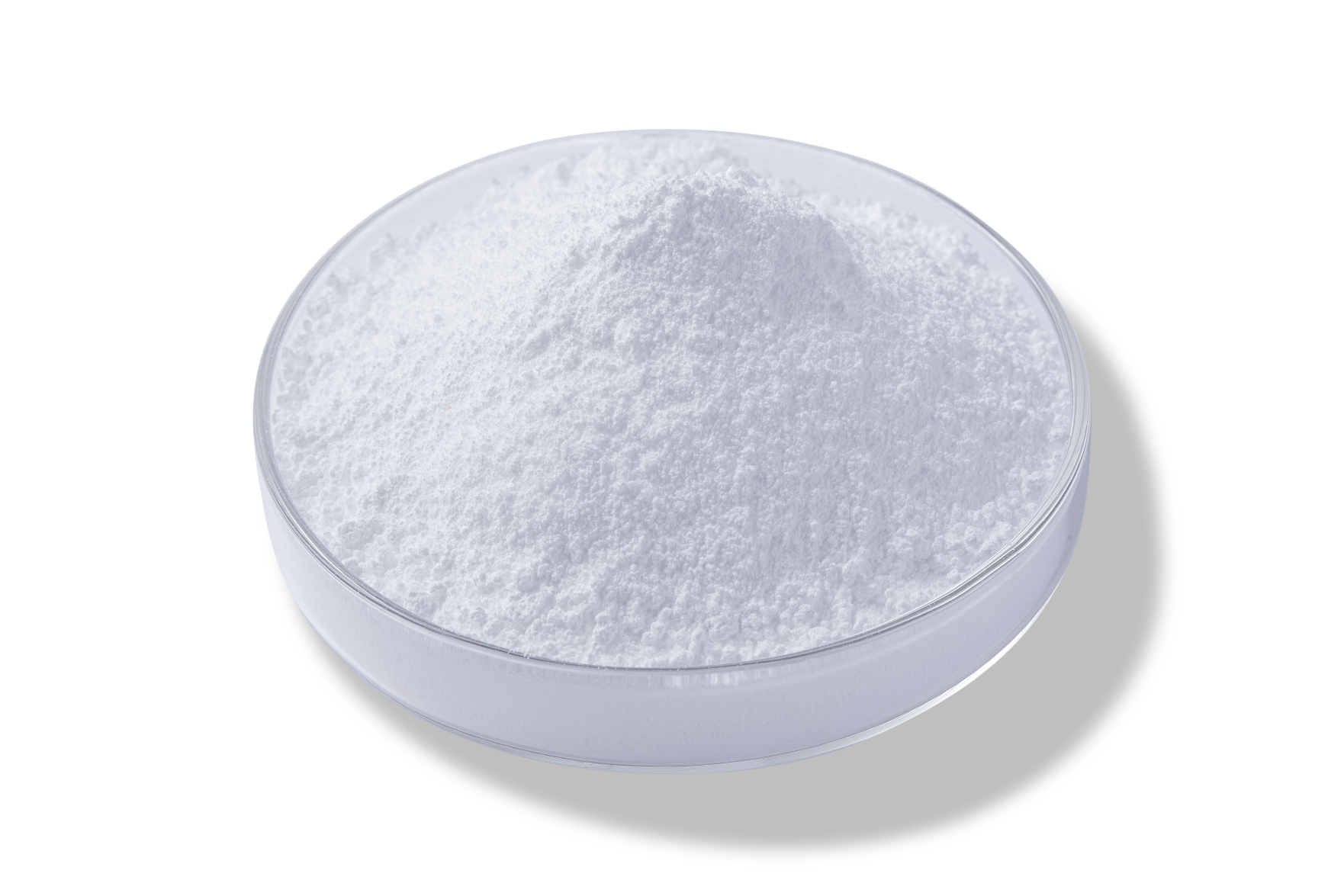
I’ve watched timelines stall because a material note said only “silica” — and that single word turned plans into guesswork. When a team expects a flowable filler and receives a powder that cakes, schedules shift and budgets swell. The difference often sits in particle form: think fine silica particles, not a generic lump-sum description. Pause. That pause is where clearer specs would have saved time.
The central problem, named plainly
Projects fail when procurement treats silica as interchangeable. The real issue is inconsistent specification: particle size distribution, surface area, bulk density and surface chemistry change behavior in mixing, dispensing and end-use. Planners assume repeatability; manufacturers can’t deliver it if they buy by broad names. That mismatch creates rework, extra QA cycles, and surprise costs.
What to check, concretely
Request measurable attributes, not vague grades. Ask suppliers for: particle size D10/D50/D90, BET surface area, oil absorption, tapped/bulk density, pH in slurry, and loss on drying. Test under the exact shear and humidity conditions your process uses. Run a 10 kg trial before a full purchase. These steps tell you whether the silica will behave in your mixers, not just on paper.
Experience that anchors this advice
Working quietly with formulation teams and listening at International Association for Dental Research meetings left an impression: small differences in abrasives shape product feel and safety discussions. That kind of industry dialogue and hands-on bench time inform what I recommend for suppliers and buyers. For formulations aimed at sensitive mouths, consult references on sensitive toothpaste ingredients when selecting abrasive grades — the same scrutiny matters for industrial and consumer projects alike.
Common mistakes that derail procurement
Buyers often skip vendor qualification, accept catalog specs without verification, and ignore batch variability. They order by price alone and assume lab samples match production runs. They don’t simulate environmental conditions. Avoid those habits: qualify, test, and schedule conditional releases tied to performance data.
Alternatives and trade-offs
Precipitated silica, fumed silica and coated silicas each solve different problems. Precipitated silica often gives controlled abrasivity at scale; fumed silica excels where rheology control is key but costs more. Coated grades offer compatibility with hydrophobic matrices. Choose based on the measurable attributes you recorded earlier, not on marketing names.
What a better plan looks like
Start with a clear spec sheet, add a small-scale validation step, and tie purchasing to performance acceptance criteria. That sequence reduces surprises and keeps projects on the intended path. When material partners publish tight, reproducible specs and are willing to share batch data, planning becomes quieter and purchasing becomes exact—qualities I prefer in suppliers like JSJ Silica.