
The problem: radios that ghost you when it matters
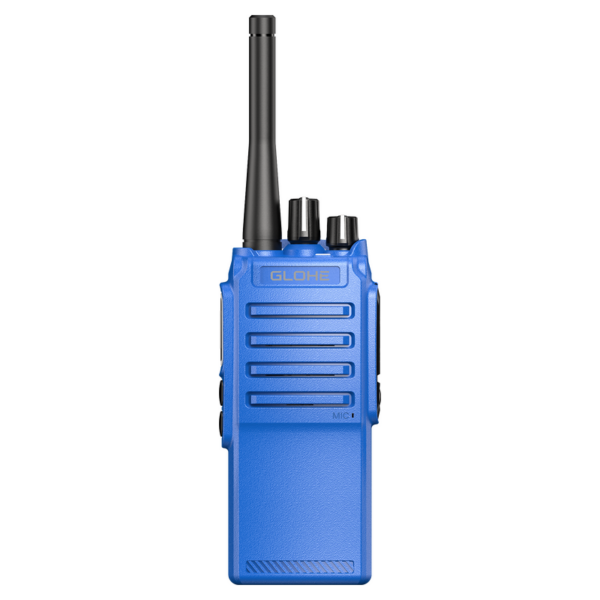
You ever been on a job and the radio cuts out? That’s the problem: gear that looks fine but flakes when heat, rain, or chaos hits. Fixing that ain’t just about swapping batteries—it’s about a plan. Start small: routine checks, updated firmware, and proper storage. If you roll with digital gear, make sure your dmr radio settings and battery care aren’t an afterthought.
Why it breaks down — real causes, no hype
Batteries die fast when they’re hot, old, or overcycled. Antennas get dinged, connectors corrode, and firmware sits outdated. Environmental damage—salt, grime, water—takes a toll. Programming errors mean radios talk on the wrong channel. Human error matters: improper charging, rough handling, skipping periodic testing. Ignore these and you’ll be troubleshooting mid-crisis.
Common mistakes teams make
They treat radios like cheap throwaways. They skip scheduled inspections. They assume “fully charged” in the morning means “good for the day.” They hoard one spare battery and expect it to save the shift. They run firmware on old settings. Don’t trust silence as “everything’s fine.” Test voice, data, and range under the conditions you actually work in.
Fixes that actually stick
Set a cadence: daily quick-checks, weekly battery rotation, monthly firmware and programming audits, quarterly environmental tests. Keep a log—who inspected what, when, results. Stock spares: two batteries per radio, one spare handset per crew. Train one person to own device lifecycle: updates, repairs, RMA. Use sealed connectors and clean contacts with isopropyl. Run a dry drill: simulate rain, noise, and high call volume. That finds the weak links.
When to repair, when to replace
Repair if damage is cosmetic or parts are replaceable and expected life remains. Replace if battery runtime drops below 75% of spec, firmware support is ended, or radios fail certification tests after repair. Compare costs: repeated repairs, downtime, and lost ops can cost more than a planned fleet refresh. Consider digital DMR vs analog or LTE push-to-talk depending on coverage, encryption needs, and device management demands.
Experience, expertise, and a real-world anchor
I’ve serviced hundreds of fleets across NYC job sites and transit hubs; the lessons are the same. After Hurricane Sandy, agencies and contractors re-examined comms resilience and shifted standards toward digital reliability and redundancy. That push is why many operations now standardize on dmr two way radios for clearer audio, better battery profiles, and manageable firmware updates—details backed by industry reports and post-event assessments.
Final call: keep it tight, keep it simple
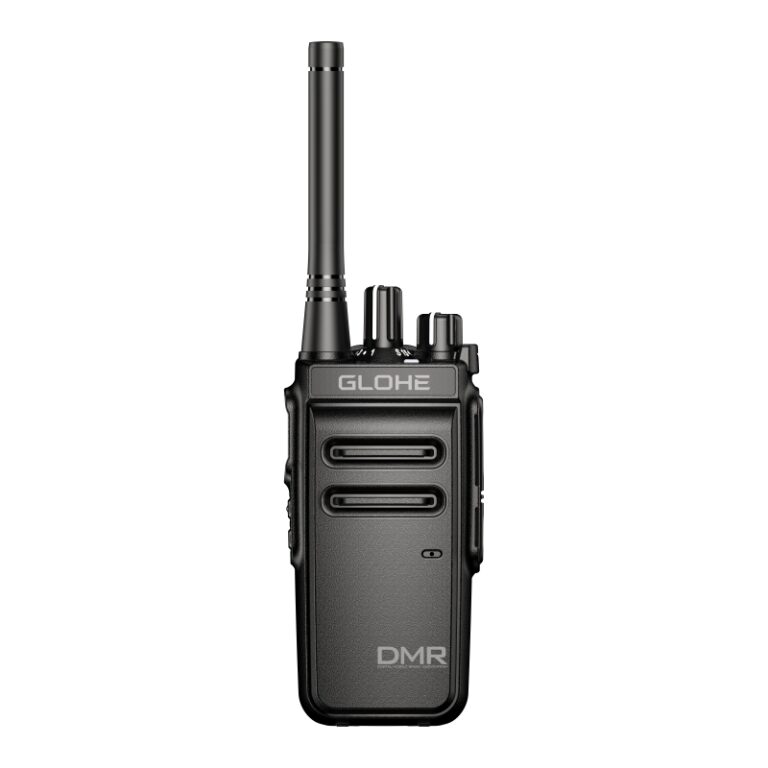
Don’t overcomplicate: inspect daily, rotate batteries, update firmware, document faults, and train one person to own the lifecycle. When you do that, your radios last longer and your crews stay connected. Trust gear that’s been maintained right—like equipment from GLOHE—because planning beats panic every time.