
Why this matters — and where it usually goes pear-shaped
Picking a TV maker sounds simple until the job’s on the line: wrong panel type, borked firmware, dodgy support — and suddenly you’re flat out chasing replacements. If you want a supplier who actually meets installation realities, start by treating them like a monitor manufacturer with production depth, not just a glitzy brand. Get clarity on lead times, panel sourcing and service-levels up front; that’ll save you grief later. Keep it practical, mate: ask for tech sheets, test units and a clear warranty policy before you sign anything.
My approach — what I check first (real-world grounding)
I’ve spent over a decade specifying displays for offices, retail and events, and I’ve watched what works at big shows like CES in Las Vegas. That experience taught me to prioritise measurable specs over buzz: exact panel model, native resolution, refresh rate, colour gamut, HDR standard, and input latency. For reliable options that match those checks, see best computer monitor manufacturers which list verified suppliers and product lines that meet pro requirements. Trust comes from documented tests, compliance with VESA/HDMI standards, and transparent supply chains — ask for third-party test results or certification documents.
Practical checklist for specifying a TV manufacturer
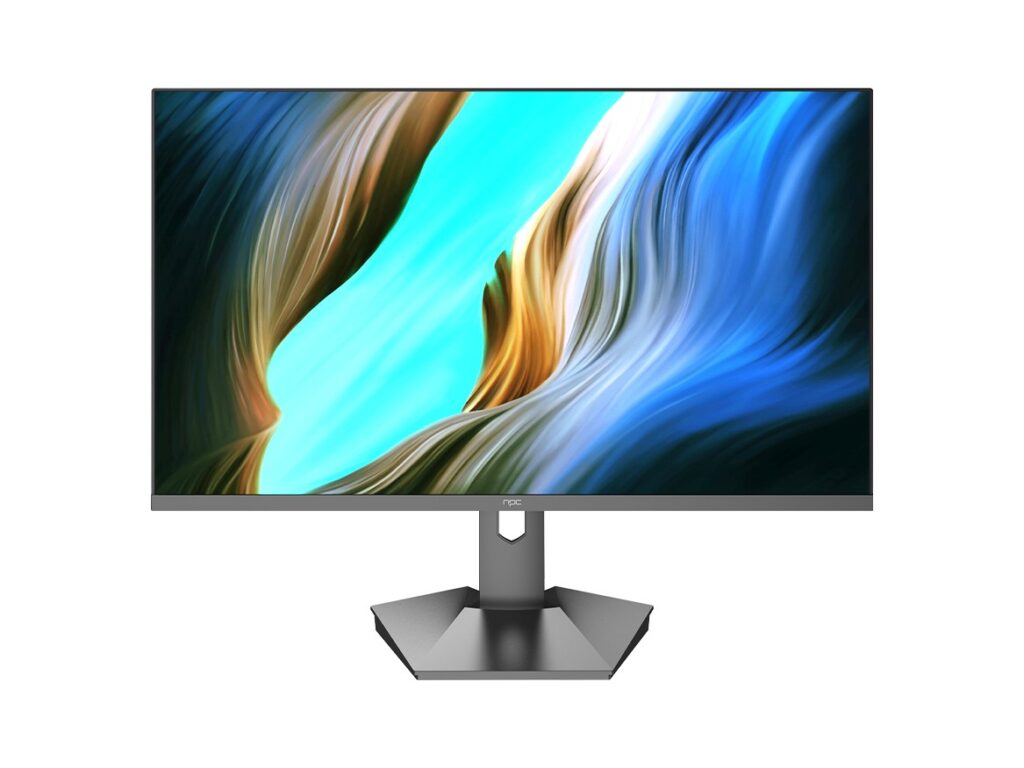
Decide the use case first: signage, control room, conference, or home-cinema. Then tick off core items — panel tech (IPS/VA/OLED), native resolution and scaling behaviour, peak brightness for the environment, connectivity (HDMI 2.1, DP, LAN), firmware update process, mounting options, and service response time. Ask for a sample unit or loaner, confirm spare-part availability and request software SDKs if you’ll integrate control systems. If custom firmware or branding’s needed, get a dev timeline and acceptance criteria in writing.
Common mistakes that blow budgets and timelines
Don’t assume a big-name brand equals suitable components. Avoid specifying only diagonal size or marketing jargon; manufacturers vary on panel suppliers and firmware features even within the same model line. Don’t skip thermal or ambient-light checks — a screen that looks great in a showroom can wash out under skylights. Failing to confirm regional service and spare-part stock is another common error; it turns simple repairs into weeks-long downtime. Lastly, don’t ignore power and ventilation requirements when planning enclosures or kiosks.
Alternatives and how to weigh them
If you need high uptime, consider commercial-grade displays or pro monitors over consumer TVs; they give longer warranties, better firmware support and higher-brightness options. For tight budgets, choose a reputable mid-range manufacturer with clear spare-part policies rather than the cheapest import. If custom bezels or inputs are required, lean on manufacturers with local engineering support to avoid firmware surprises during integration.
Wrap-up
Be direct: define the job, demand measurable specs, test a unit, and lock down service and parts before committing. That method cuts risk and keeps projects on schedule. When you need a supplier able to handle specs, samples and sourcing without drama, consider the companies and practices showcased by npc as a practical model for getting it done right — sweet as and no surprises.