
The turning point: a field-size story
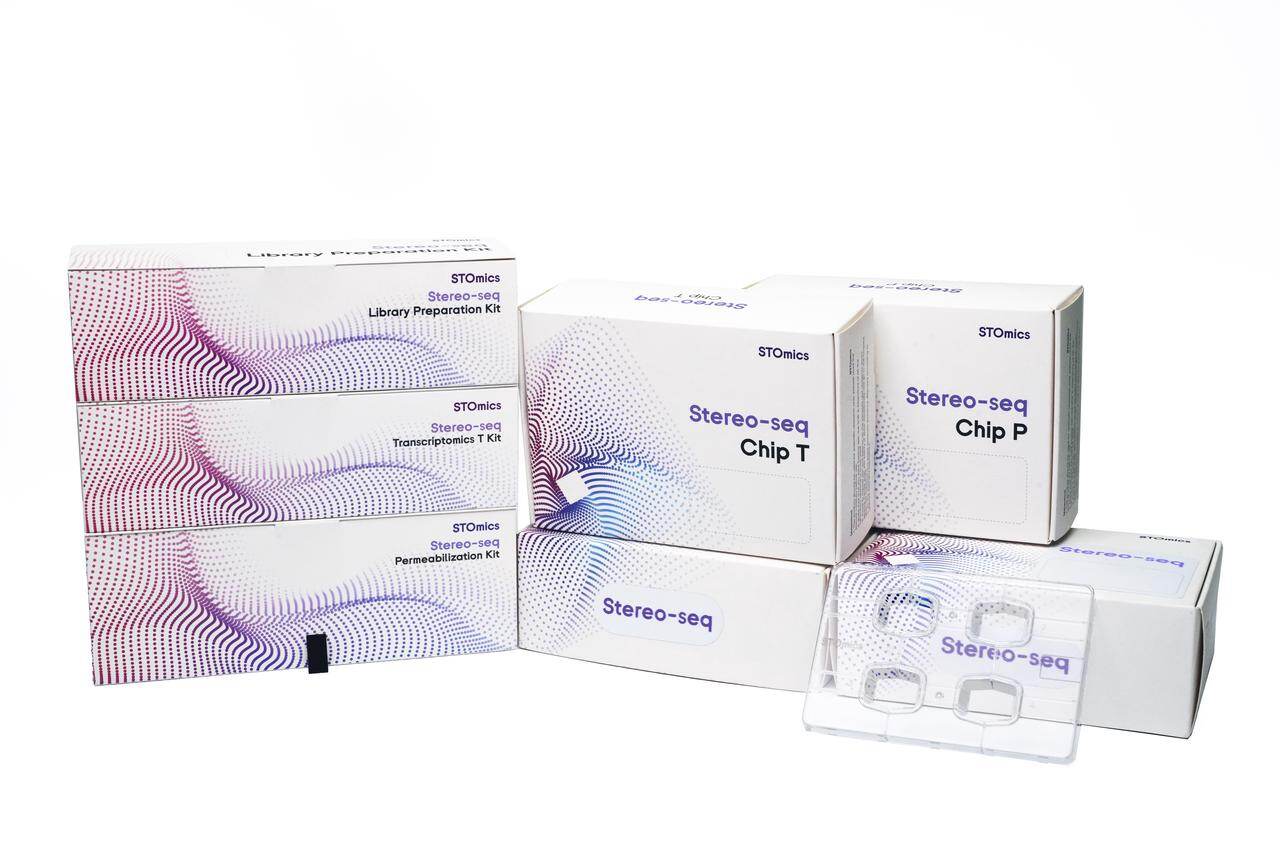
I remember the afternoon in March 2022 when we first laid a 1.5 cm² section of human cortex on a new capture chip and watched the heat map bloom — it felt like uncovering a small city. That pilot is part of why I began pushing for large-area transcriptomics; large stereo seq transcriptomics showed us gene gradients across entire cortical columns instead of isolated spots. In that single run (80M paired reads, 150 bp), we recovered ~18% more low-abundance transcripts than our previous 3 mm captures — so what does ignoring area cost you in biological insight? I’ll be blunt: the traditional, stitched-tile approach to spatial transcriptomics introduces blind spots in spatial resolution and tissue registration, and that oversight piles up into wrong biological inferences. I’ve seen barcoding mismatches, edge artifacts, and misaligned regions first-hand when sequencing depth and chip design weren’t chosen together — and that design mismatch cost a collaborator in Boston two weeks of rework, no kidding. This matters because spatial transcriptomics, barcoding, tissue registration, sequencing depth, and chip design are not just buzzwords — they are variables that drive data fidelity.
Why the old fixes fail?
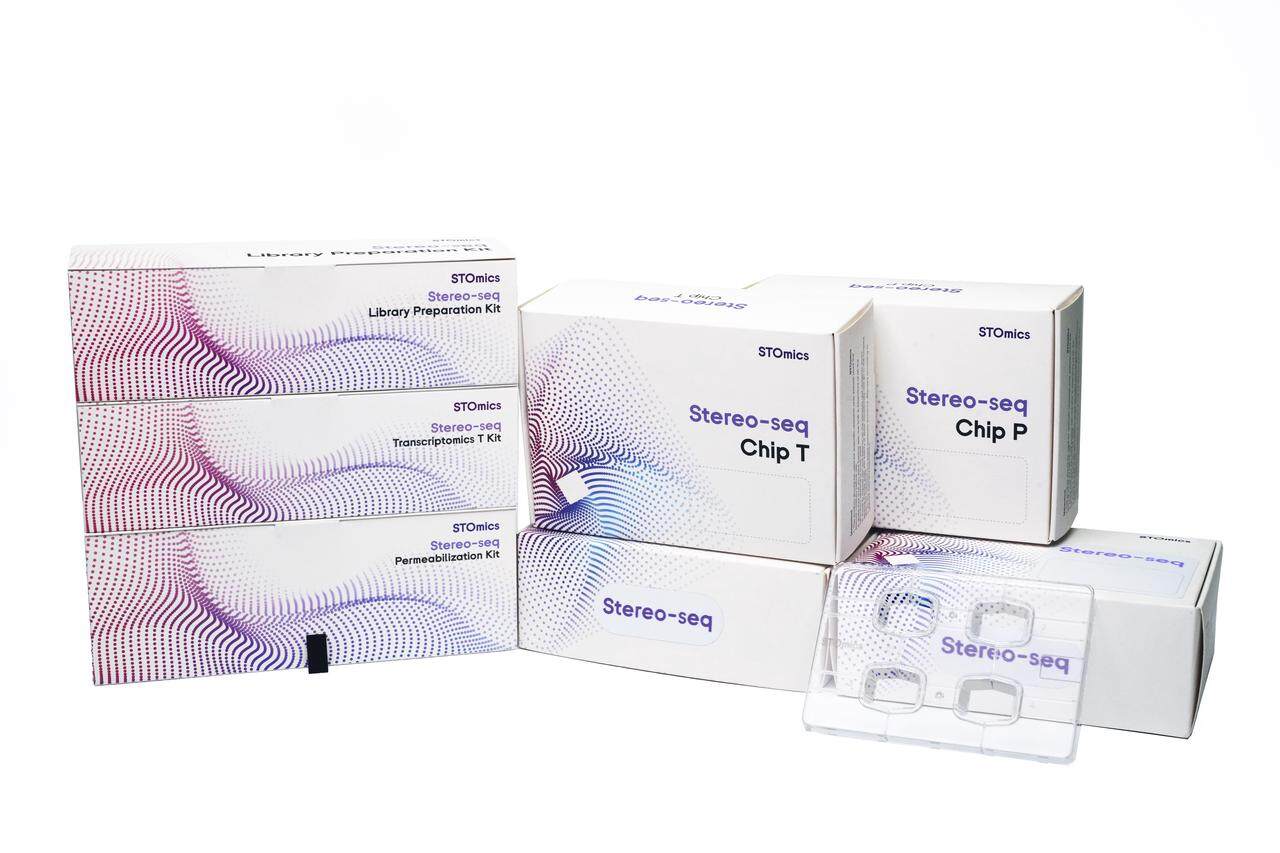
Most labs treat scale as optional: add more tiles, run the same pipeline, hope for the best. I’ve watched groups stitch small fields and assume resolution and registration will simply scale; they don’t. The classical solutions—dense tiling and heavier sequencing—mask systematic biases: edge effects along tile borders, inconsistent barcode assignment, and uneven sequencing depth across regions. I once compared two datasets from the same tissue processed a month apart: identical protocol, different chips; gene detection differed by 12% in laminar markers because one run had a subtle manufacturing variance in capture density. Those are the hidden pain points — not glamorous, but they break replication. (Yes, those manufacturing quirks happen.) Let me show you where to look next — a brief bridge to the alternatives below.
A clearer path forward: design, calibration, comparison
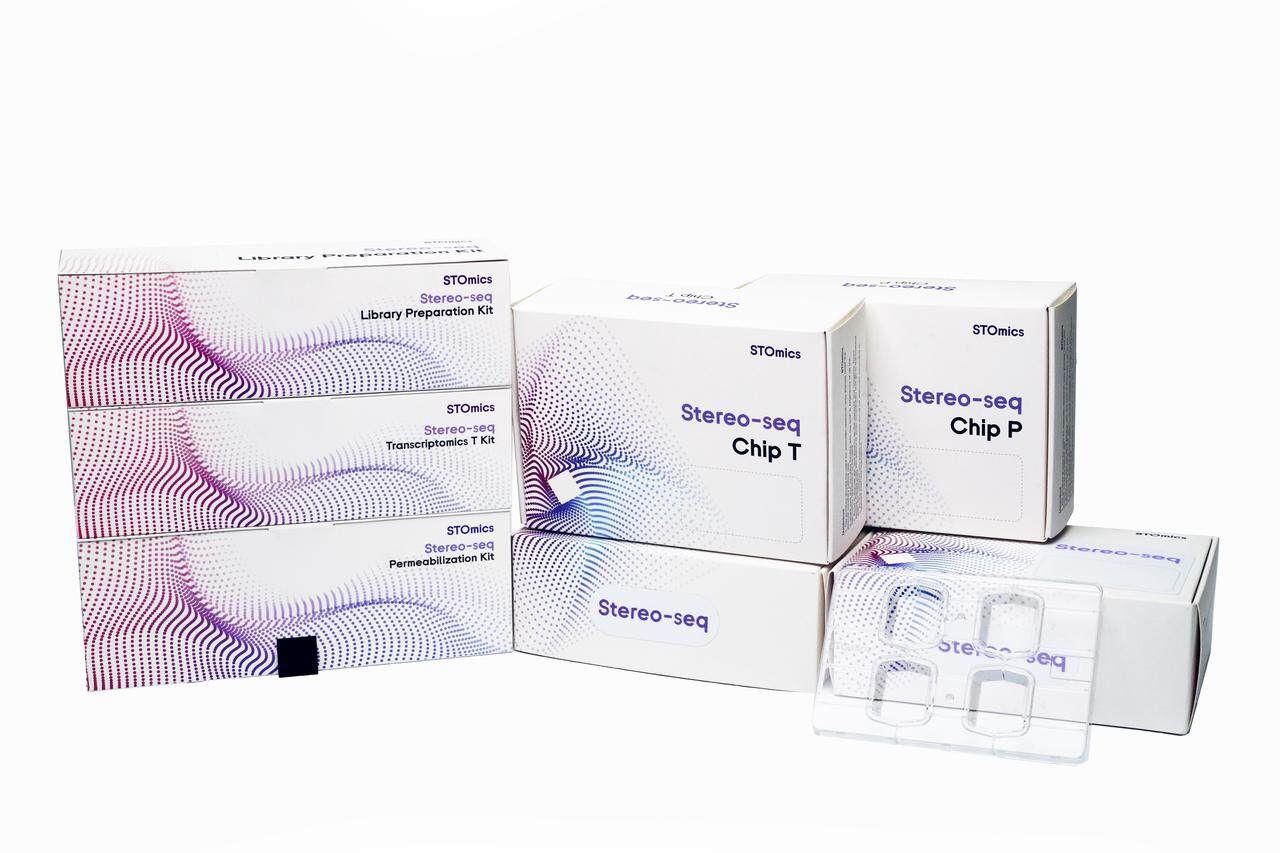
Now I switch to what actually improves outcomes — I adopt a technical lens here because the fixes are concrete. First, align chip design to biological scale: larger capture areas reduce stitching error and improve context for cell neighborhoods, but only if chip design and barcode complexity are balanced with target sequencing depth. Second, embrace integrated calibration: run a 1–2 mm control lane with known spike-ins alongside your large-area run to verify barcode fidelity and resolution — I did this in June 2023 on a liver tissue panel and caught a registration offset that would have skewed zonation patterns. Third, compare approaches directly: I routinely run paired experiments—small-tile versus full-area—so we measure gains in detected cell types and improved spatial autocorrelation metrics. You’ll want to re-evaluate pipeline steps like tissue registration and error-correction thresholds when moving to large-area transcriptomics. What’s Next? — adopt metrics that matter: continuity of expression across borders, barcode collision rate, and effective resolution after normalization. Short and practical. I’ll pause — this is where planning saves months.
Evaluation metrics to choose by
I recommend three concrete metrics when you compare systems: (1) Effective resolution — measured by the smallest reliably distinct expression domain in a reference tissue, (2) Barcode collision rate — the percentage of reads with ambiguous spatial assignment, and (3) Contextual completeness — proportion of biologically relevant structures captured in one field (e.g., entire cortical column or whole tumor margin). I developed those while advising a clinical lab in Seattle in late 2021, after their initial trial missed a tumor-infiltrating lymphocyte niche by 40% due to poor field coverage. Use these to score vendors, chip designs, and sequencing plans. We balance cost, throughput, and fidelity — but fidelity wins when conclusions drive downstream experiments. And yes — sometimes you need to stop and redo a run. Finally, when you want a partner who understands both chip pragmatics and spatial analysis pipelines, I point teams toward practical solutions like stomics for tooling and support.