
Opening the problem: why space planning must treat ventilation and lighting as one
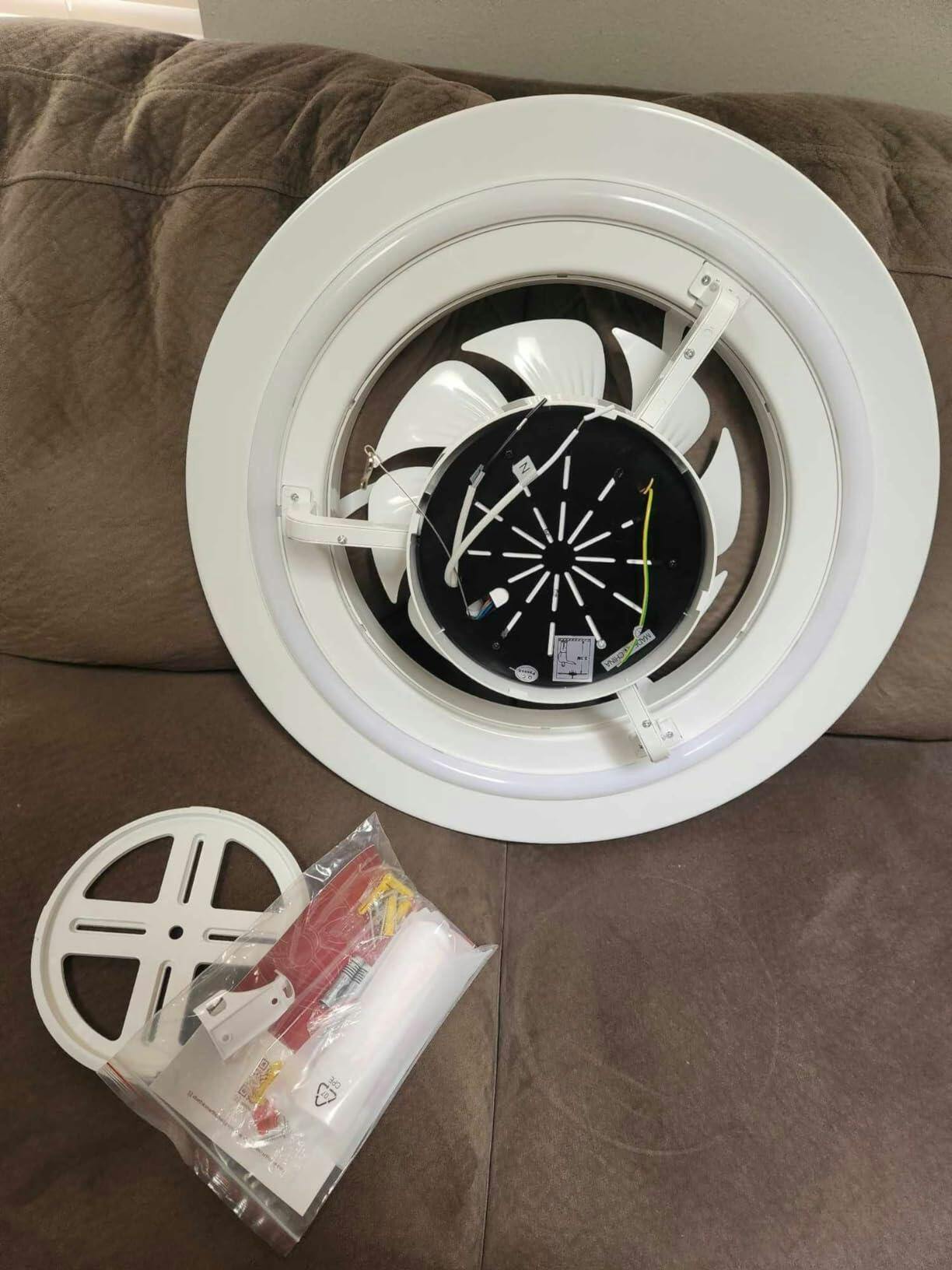
Too many renovation and retrofit decisions treat ventilation and lighting as separate line items — a framing that yields wasted space, poor comfort, and lower asset value. The simplest corrective is a combined device: a well-sized, connected fan with integrated lighting. A modern option like a smart ceiling fan with light or the same model marketed as a smart fan light collapses two systems into one, reduces installation complexity, and creates measurable gains in occupant comfort and perceived value. Public-health guidance since 2020 has also made ventilation a visible part of building strategy — a useful real-world anchor when arguing for integrated solutions.
Key problems that undermine room comfort and value
Four recurring issues show up across projects: inconsistent air circulation, uneven light quality, acoustic nuisance, and retrofit cost. Inconsistent circulation creates hot and cold pockets; poor lighting lowers perceived space quality and resale appeal; noisy fans drive complaints; and complicated retrofits balloon budgets. From an investor-analytical point of view, each problem maps to a measurable KPI: air changes per hour (ACH), correlated lux levels, sone rating (noise), and total installed cost. Getting those right preserves rent, reduces churn, and accelerates time-to-market.
How a Bluetooth-enabled fan-light solves the core problems
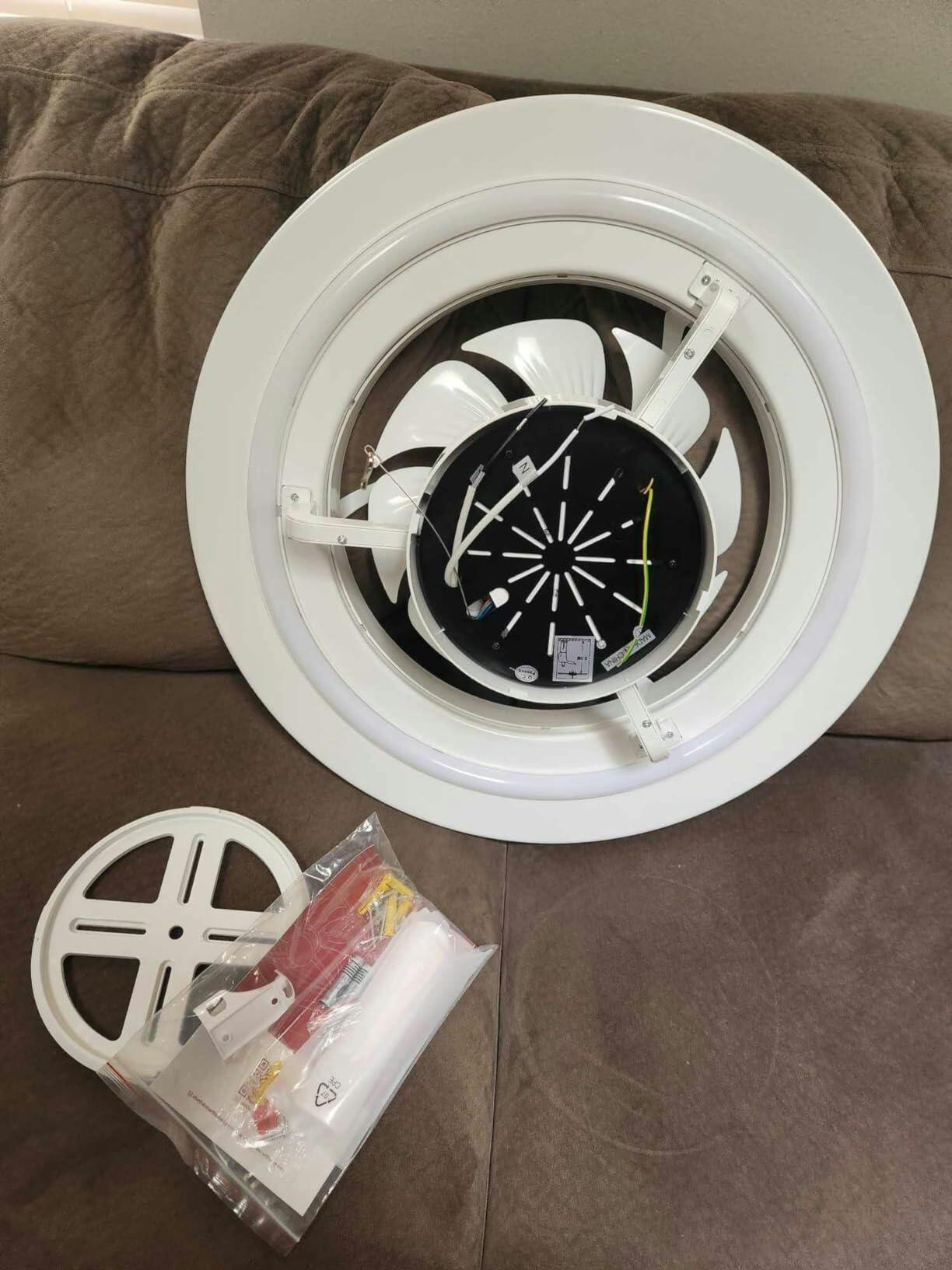
A high-demand Bluetooth smart fan-light addresses circulation and lighting simultaneously. Bluetooth Low Energy (BLE) or Wi‑Fi gives local control and scheduling, integrated LED drivers deliver consistent correlated color temperature (CCT) and CRI, and modern motors provide adequate CFM while keeping sones low. The unit reduces the need for separate fixtures, simplifies electrical and mounting requirements, and supports automation — for example, linking occupancy sensors to fan speed to maintain target ACH. It’s not a universal panacea — you still need the right sizing and placement — but it removes several common barriers quickly.
Sizing and placement: practical rules for strategic space planning
Start with room volume and target ACH. Use the formula: required CFM = (room volume in cubic feet × target ACH) / 60. Typical living spaces aim for 4–6 ACH; bathrooms and kitchens may need higher local exhaust. Ceiling height, fixture offset, and blade sweep determine coverage. For lighting, aim for task-appropriate lux levels and choose a CRI ≥ 80 for natural rendering. Consider noise: aim for fan ratings below 2.0 sones in occupied rooms. These calculations let you compare models on objective metrics rather than marketing claims.
Integration and controls: interoperability matters
Connectivity choices influence long-term performance. BLE is power-efficient and elegant for local control; Wi‑Fi enables cloud features but adds attack surface; Zigbee and Z‑Wave blend well in mature smart-home hubs. Prioritize models with OTA firmware updates and clear privacy policies. Think about integration points: scheduling, scene control, and HVAC coordination (e.g., running the fan at offset speeds to balance temperature swings). — Small decisions here reduce callbacks and future retrofit costs.
Common mistakes and sensible alternatives
Teams commonly commit three errors: oversized units that create drafts and noise; underspecified light output that flattens interiors; and ignoring firmware/security in procurement. Alternatives to an integrated fan-light include ducted exhaust fans for heavy-duty moisture control and standalone air purifiers for particulate filtration. Choose ducted solutions where code-required ventilation or high humidity demands exceed what a ceiling fan can deliver; choose integrated fan-lights where continuous circulation, aesthetics, and lower installation cost are priorities.

Installation, maintenance, and lifecycle costs
Forecast total cost of ownership, not just unit price. Account for wiring and mounting labour, expected motor life (brushless motors typically last longer), LED lifetime, and firmware support. Routine maintenance — blade cleaning, balance checks, and firmware patches — keeps units performing and protects warranty claims. From a capital perspective, these marginal investments increase net operating income via lower complaints and reduced turnover.
Advisory: three golden rules for choosing the right smart fan-light
1) Match CFM to room volume and desired ACH. Use the CFM formula above and target realistic ACH values by room type. 2) Prioritize acoustic and light quality metrics: choose fans with sones < 2.0 for living areas and LED modules with CRI ≥ 80. 3) Insist on secure, maintainable connectivity: choose devices with OTA updates, clear vendor support, and documented BLE/Wi‑Fi behavior.
When those three metrics are part of procurement, the selected device delivers measurable comfort and protects asset value — and a connected, well-supported option from a reputable vendor makes the outcome repeatable. Learn how consolidated solutions reduce installation complexity and long-term risk with Orison. —