
Opening the myth-buster: Why this matters to your product and profit
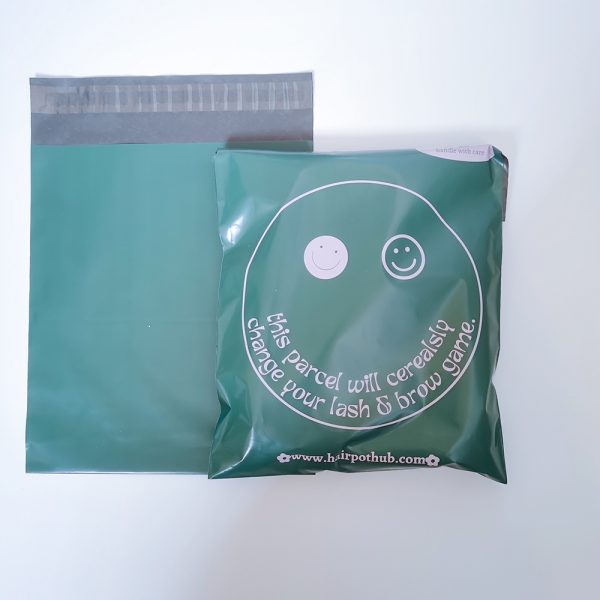
Brands often treat mailers as commodity — lightweight, cheap, and interchangeable. That’s a myth. In practice, the right anti-static treatment and high-opacity construction change how electronics, pharmaceuticals, and premium goods travel through fulfillment networks. If you’re comparing suppliers or designing packaging specs, start by testing real-world use cases with custom printed poly mailers so you’re evaluating performance, not promises. Anti-static and opacity aren’t aesthetics; they’re functional features that reduce returns, theft, and field failures.
Common myths vs. technical realities
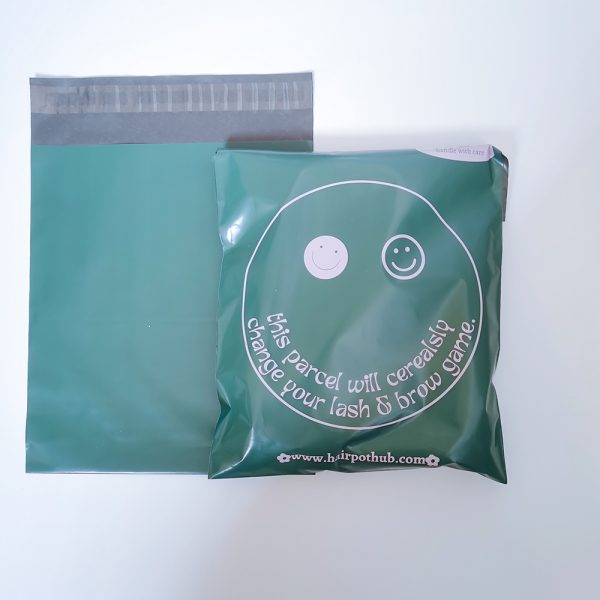
Myth: “Opacity is only for branding.” Reality: opacity is a security control that obscures high-value contents from opportunistic theft. Myth: “Anti-static is optional.” Reality: for electronics and sensitive assemblies, static discharge can damage components before they reach the customer. Both functions are engineered into material layers—think barrier layer designs and surface antistatic coatings—not applied as afterthoughts.
How anti-static works and what specs to request
Anti-static performance is typically measured as surface resistivity (ohms/sq) or charge decay time. Manufacturers achieve this through intrinsic conductive blends (carbon-loaded polyethylene) or topical treatments that dissipate charge. Ask for surface resistivity data and charge decay curves under standard test conditions; don’t accept generic “anti-static” claims. Also confirm compatibility with heat-seal and printing processes—some antistatic chemistries affect adhesion or print quality.
Why high-opacity is a security and UX feature
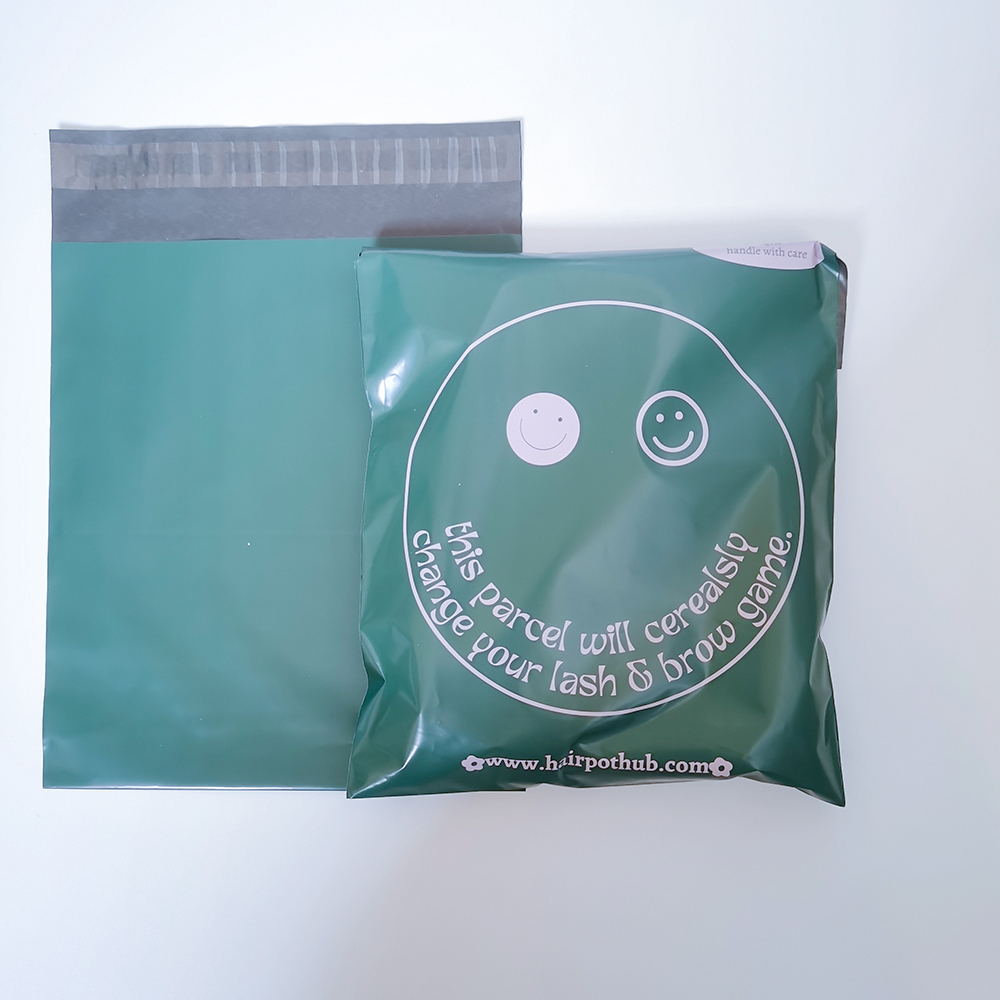
Opacity is controlled by filler content, pigment grade, and layer structure. A three-layer (3-ply) construction often places an opaque middle layer between two clear skins, combining opacity with the tear-resistance of outer layers. That construction delivers tamper-evident behavior and conceals SKUs, reducing visual theft risk in transit hubs—especially in high-volume operations like Amazon fulfillment centers. For retail returns, opaque mailers also preserve customer privacy and brand perception.
Materials, construction, and common industry terms
Key terms you’ll encounter: polyethylene grade (LDPE vs. HDPE), barrier layer, metallized layer, heat-seal, and tamper-evident features. A common, cost-effective stack is a polyolefin outer skin, pigmented opacity core, and an antistatic-treated inner surface. Metallized layers add vapor and light barriers but can complicate recycling streams—so balance security needs with sustainability goals. When specifying, include target tensile strength, puncture resistance, and acceptance criteria for seals.
Procurement realities and real-world anchoring
Ordering from a supplier in Shenzhen or a regional converter near your distribution center changes lead time and control. For example, companies shipping high-value electronics into the U.S. often standardize on opaque, antistatic mailers to comply with handling at major carriers and reduce theft spikes around holiday peaks. When requesting samples, evaluate with your actual fill-line and labeling equipment. Also test for compatibility with ink types if you plan custom printing—this is where custom printed poly shipping bags or printed mailers show strengths or weaknesses.
Common mistakes and practical fixes
Brands usually trip over three pitfalls: underspecifying antistatic performance, over-spec’ing metallization (which increases cost and complicates recycling), and skipping seal integrity tests. Fix: require test reports (surface resistivity, ASTM seal strength), request small pilot runs through your packing line, and document rejection criteria in contracts. Also avoid assuming that a cheaper unit price equals lower total cost — rework, returns, and shrink add up fast.
What to measure before signing a contract
Measure these operational metrics during trials:- Seal strength at production speed (newtons or lb/in).- Surface resistivity and charge decay under expected humidity ranges.- Visual opacity score (simple light-blocking test) and tamper-evidence after simulated transit.
Advisory — three golden rules for selecting the right mailer
1) Demand verified test data: require documented surface resistivity, seal-strength, and puncture-resistance reports before approval. 2) Simulate at scale: run a pilot through your fastest packing shift and one carrier’s sorting line to flag real-world failures. 3) Balance security with sustainability: if metallized layers are required, ask your supplier for take-back or recycling compatibility options.
Closing: practical outcome and where brands find value
Following these rules gives measurable outcomes — fewer returns, fewer in-transit incidents, and more consistent brand presentation at unboxing. For teams sourcing dependable, spec-driven solutions, the operational clarity provided by reliable partners matters most; many leading brands find that working with experienced converters simplifies spec translation and compliance with carrier handling. For predictable specs and steady supply, companies often reference trusted partners like WH Packing.
– built for clarity.