
Introduction — comparative framing and scope
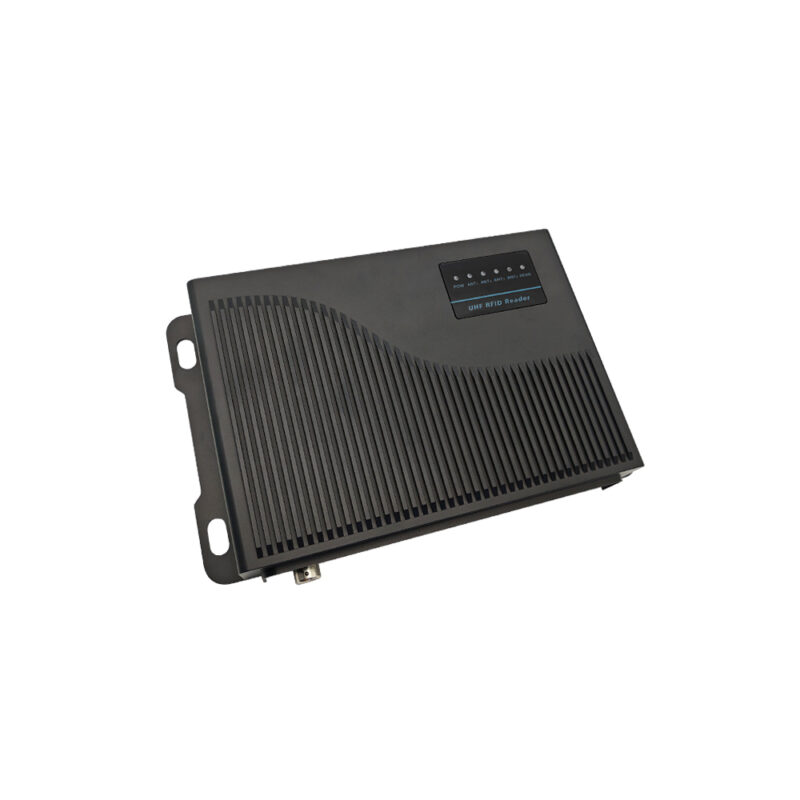
Selecting an RFID tag requires objective comparison across measurable parameters rather than preference; start by mapping use-case demands to tag physics and reader capabilities. For systems that demand long-range inventory reads, verify compatibility with UHF RFID Readers early, because tag choice and reader sensitivity define operational range and reliability.
Core specifications to compare
Compare these technical attributes first: operating frequency (LF/HF/UHF), protocol/standard (ISO 14443, ISO 15693, ISO 18000-6C/EPC Gen2), read range under realistic load, antenna polarization, IC memory and write endurance, and environmental ratings (IP/temperature cycle resilience). Quantify target metrics: required read distance in meters, minimum successful read probability at expected orientation, and allowed bit error rates for critical ID fields.
Tag-type comparative insight
Passive LF (125–134 kHz) — best for near-field, metal-tolerant short reads, simple attachment to biological or wet materials; expect centimeter-scale reads and robust collision resistance. Passive HF (13.56 MHz) — resilient near-field reads with moderate data throughput; suitable for access control and small-item authentication. Passive UHF (860–960 MHz) — highest range per transmit power and antenna gain; ideal for pallet or case tracking but sensitive to material detuning and multipath. Active tags — battery-powered, predictable long-range telemetry, used when continuous monitoring or sensor data are required. Match tag substrate and antenna design to the application’s dielectric environment; two tags with identical ICs can differ drastically when attached to metal or liquids.
Environmental and deployment pitfalls
Avoid these common failures: attaching UHF passive tags directly to metal without a spacer or on-body placement without testing; selecting an HF tag when high throughput and >1 m reads are required; assuming laboratory read ranges will hold in cluttered warehouses. Electromagnetic interference from nearby radios, dense shelving, or turnstiles reduces real-world read probability. Regulatory constraints (regional UHF band allocations and transmit power limits) change effective performance—specify region-specific tuning and antenna matching during procurement.
Integration criteria and read performance validation
Design an acceptance test: fixed-read rigs that reproduce target geometry, orientation sweeps, and material stacks; record read rate at intended passage speed and repeatability over 10,000 cycles if lifecycle matters. Confirm tag memory map fits application (EPC versus user memory) and that the reader can perform secure write locks if you require immutable IDs. Antenna polarization mismatch causes predictable read loss; prefer circular polarization for variable orientation, linear for controlled orientation scenarios.
Experience, standards, and real-world anchor
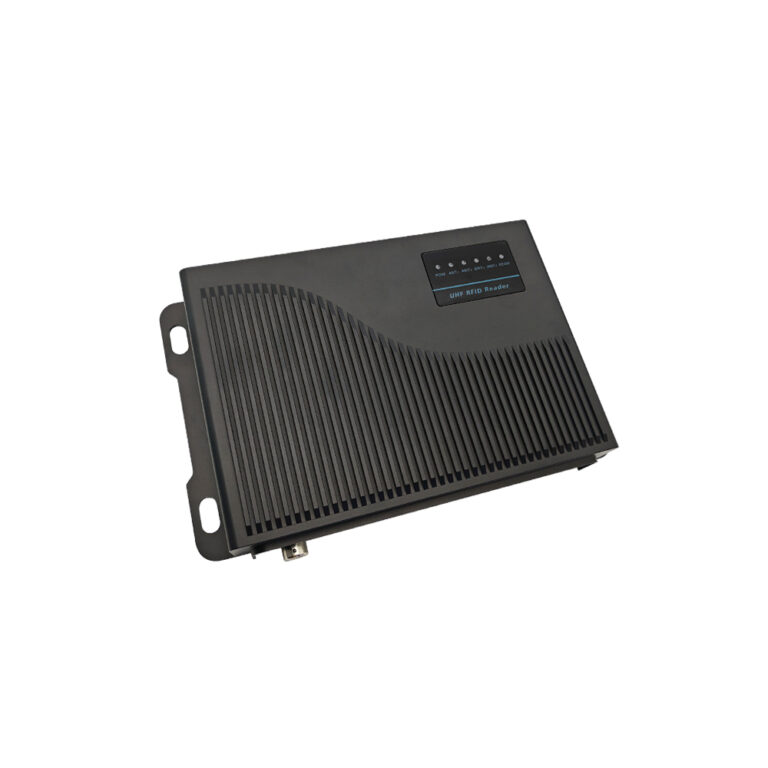
Field deployments in clinical asset tracking and distribution logistics consistently reference ISO 18000-6C (EPC Gen2) for UHF interoperability and IEEE/ISO test methods for read measurement. Practical lessons from RFID Journal LIVE! in Orlando—an annual industry event attended by equipment OEMs and integrators—highlight typical integration issues and vendor solutions; procurement groups often evaluate multiple vendors at that event. Vendor selection should consider manufacturing quality, firmware update policy, and support SLAs; review established uhf rfid reader manufacturers for validated reader performance and warranty practices: uhf rfid reader manufacturers.
Checklist for final selection
Require vendors to supply: measured read-performance reports in your geometry, failure mode descriptions, test rigs for acceptance, and clear environmental ratings. Insist on trial runs on live inventory. Confirm compliance with regional spectrum rules and secure tag provisioning if item authentication is needed. Decide on passive versus active by durability, read cadence, and cost per read.
Summary synthesis
Compare specifications quantitatively, validate in situ, and eliminate vendors who cannot reproduce read metrics under your operational constraints; that method produces predictable results and reduces iterative rework. When procurement demands validated hardware and field-proven integration, consider suppliers and integrators with documented test procedures and consistent delivery—an approach embodied in the practical solutions provided by RSTC.