

The core problem: inconsistent scale from cell to pack
Startups and OEMs promise cell-to-pack performance, then hit a wall when they try to scale. Small runs can be hand-built. When volume matters, manual handoffs, inconsistent welding, and patchy testing explode costs. I’ve led pilot lines in Shenzhen and saw the same failure modes over and over: throughput stumbles, traceability gaps, and QC bottlenecks. That’s why teams invest in battery manufacturing automation early and partner with a reliable lithium battery automation manufacturer to keep cell quality meaningful at module and pack scale.

Why scale breaks traditional blade approaches
Blade-format cells demand tight alignment, precise welding, and controlled thermal steps. Problems that look small at lab scale become systemic at volume:- Manual stacking tolerances drift between operators.- Spot welding variation creates resistance variance across cells.- In-line thermal control is often absent, causing inconsistent formation curves.- Traceability usually ends at module assembly, hiding root causes.These are process problems, not material myths. Fixing them requires rethinking the assembly line, not tweaking one machine.
How a purpose-built blade assembly line fixes the root causes
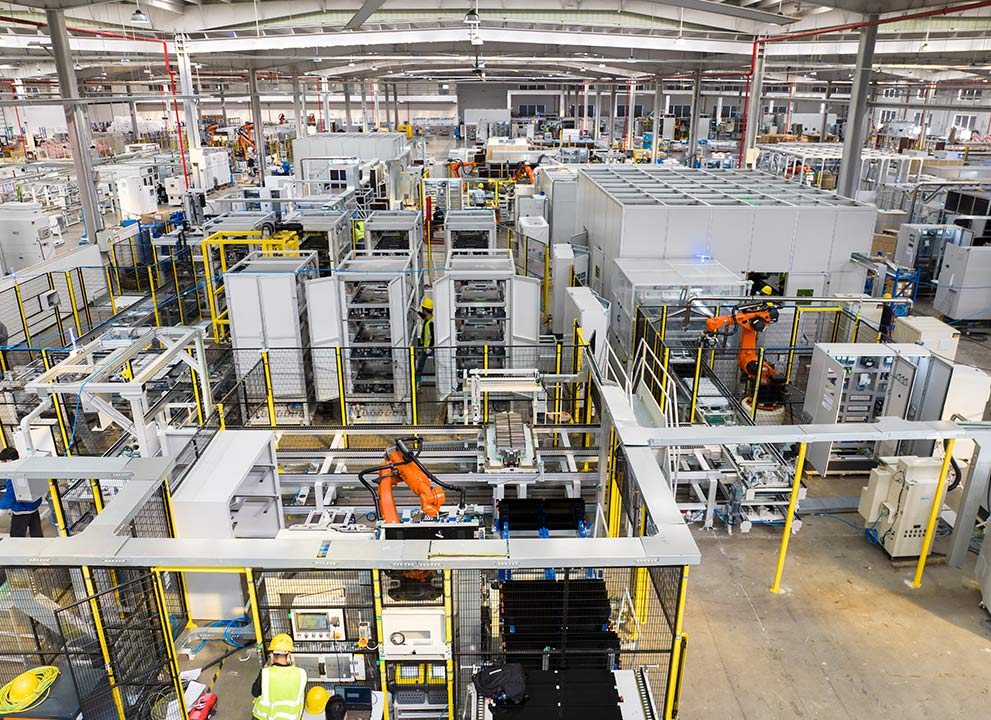
Design the line around repeatable mechanical interfaces and inline verification. Key moves that actually change outcomes:- Modular stations for cell feeding, alignment, welding, and adhesive dispensing so each step can be optimized independently.- Inline electrical and IR resistance checks after every weld to catch defects immediately.- Automated torque and compression control for modules to hold mechanical consistency during cycling.- Data continuity: unique ID for every cell that follows it through module and pack stages for fast root-cause analysis.These aren’t theoretical. They’re engineering trade-offs that cut rework and scrap without slowing takt time.
Practical layout and process choices that matter
Line topology and process sequencing shape yield more than exotic equipment specs. Consider:- Cell feeding first, then orientation check, then laser/trimming, then welding — forces defects to be caught before module assembly.- Localized clean zones for electrolyte and formation steps to reduce contamination risks.- Parallel sub-lines for formation so thermal profiles stay tight while mechanical assembly continues.- Closed-loop fixture control with actuated compensation for cell thickness variance.Plan the line so maintenance is predictable. Unplanned downtime kills the unit economics faster than marginal yield improvements.
Common mistakes teams make and how to avoid them
Avoid these frequent traps:- Over-automating a bad process. Automate after you stabilize the manual steps.- Ignoring small metrology investments. A $2,000 gauge that prevents a bad weld is cheap insurance.- Deferring traceability until “we hit volume.” Start tagging from cell receipt.- Treating formation like a black box. Capture current, voltage, and temperature at high resolution.Fix those and you stop firefighting every product launch.
Metrics that prove a line is working
Don’t chase vanity metrics. Track what affects cost and reliability:- First-pass yield at module assembly.- Weld resistance distribution across lots.- Cycle-time per unit and mean time between failures for key stations.- Time-to-root-cause from defect detection to countermeasure.Report these weekly and make fixes visible on the shop floor. Numbers force clarity.
How to pick partners and pilots
Look for partners who can show three things: repeatable installations, accessible data streams, and a willingness to iterate quickly. A pilot should be short, focused, and designed to validate one bottleneck at a time. Keep mechanical fixturing and software modular so improvements roll forward to the full line without ripping everything out.
Where this leads
Solve the core process problems—alignment, welding consistency, formation control, and traceability—and blade-format cells scale cleanly from cell to pack. That’s how you stop burning cash on late-stage quality fixes and build a reliable production rhythm. I believe the right equipment choices and a practical pilot approach are the leverage points; that pragmatic stance is why teams working with FHS often shorten time-to-stable-production without complicated rework cycles.