
User needs first — a straight talk
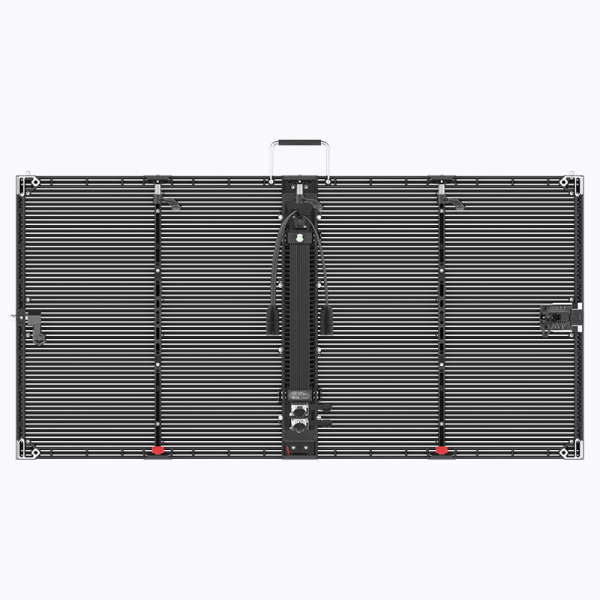
You want a screen that feels like it belongs — bright, steady and true to the room’s purpose. Start there, and the rest follows. Whether you’re fitting a snug bar, a concert bowl or a retail frontage, good choices bring better sightlines and clearer messages, and that’s what digital billboards do when they’re chosen with care.
What users actually notice
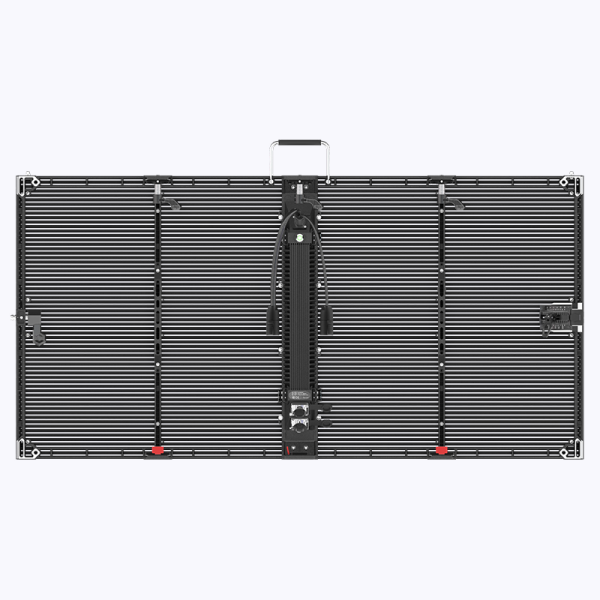
Audiences notice legibility, colour fidelity and motion smoothness before they notice specs. Pixel pitch governs viewing distance; lower pitch means crisper text at close range. Brightness (nits) matters outdoors and under floodlights. Refresh rate keeps motion natural for live video. Keep those three in mind and you’ll satisfy more folk, sooner.
Choosing hardware without fuss
Pick panels by use-case rather than brand bluster. For pedestrian streets or small venues, favour tighter pixel pitch; for stadium facades, go wider but with high brightness. Look for robust casing and IP ratings for weather. Avoid chasing the brightest number alone — balance brightness with contrast and colour calibration. Common mistakes: buying too low-res for the viewing distance, underspec’ing ingress protection, or ignoring maintenance access — they haunt operators later.
Installation and the operational production teardown
Installation is an honest bit of engineering: structure, cabling, power and cooling all get their say. During the operational production teardown we inspect mounting tolerances, wiring routes, and thermal margins — and we check {main_keyword} and {variation_keyword} against the supplier’s claims. Plan for front-access modules where space is tight, and set aside time for on-site calibration. A wee note — never assume the supplied colour profile will match your content; that’s a mistake that shows every night.
Content, control and campaign impact
How you feed the screen shapes its value. Use simple, bold layouts for far viewing; finer detail for close-up displays. Integrate scheduling and remote diagnostics so uptime stays high. If you’re running outdoor promotions, pair display schedules with local footfall data and proven placements, echoing practices used in places like Times Square and at major sports events such as the FIFA World Cup to boost engagement. Practical terms to mention here: LED driver ICs and basic calibration routines help keep imagery consistent across modules. For advertisers, led billboard advertising via smart scheduling can raise recall — especially during peak footfall windows.
Common pitfalls and how to avoid them
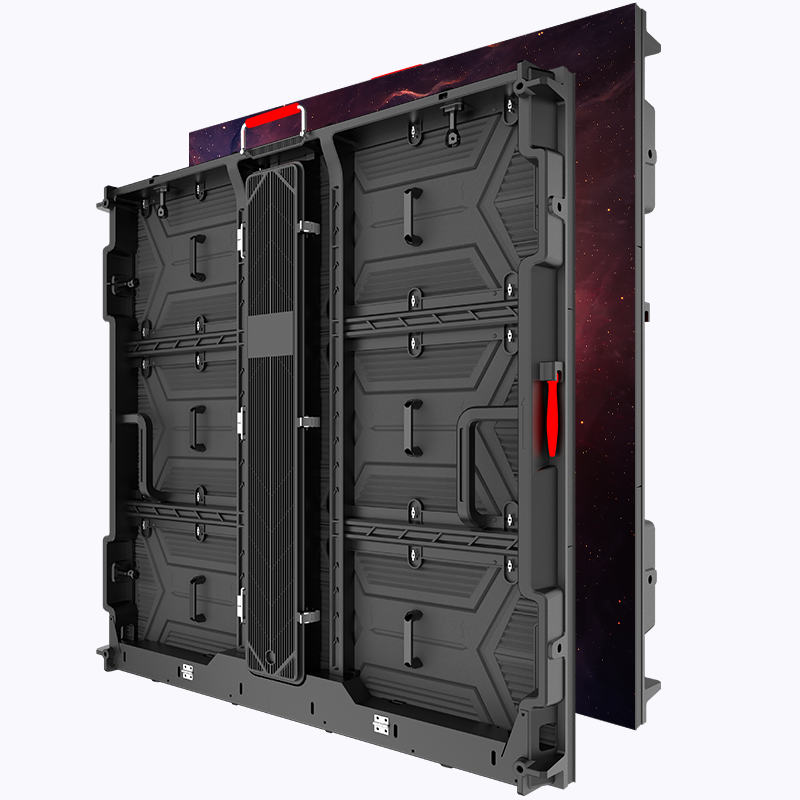
Operators often skimp on service access, underestimate power draw, or ignore cooling needs. Fix those three first: ensure service fronts or removable modules; size power feeds with a healthy margin; and provide ventilation or forced cooling. Also set realistic uptime targets and routine checks on pixel clusters and connectors — those small things keep a display honest.
Proof in the street — real-world anchor
High-visibility installs around major hubs demonstrate the difference a well-chosen LED screen makes. Large-format displays at central squares or stadiums don’t just show ads; they shape crowd experience, wayfinding and mood. That practical effect — the way a bright screen pulls focus and tells a clear story — is the best test of a spec sheet’s worth.
Three golden rules for picking and keeping the right screen
1) Match pixel pitch to viewing distance — crispness wins every time. 2) Balance brightness with contrast and plan for calibration — numbers mean little without colour fidelity. 3) Design for serviceability: access, spare modules and remote diagnostics keep the display live when it matters. Expect measurable gains in visibility and fewer service calls if you follow those rules — that’s the trade-off to budget for.
Final thought: choose partners who understand both street reality and technical detail — that mix is rare but essential, and it’s what I trust when recommending reliable solutions like Coblinks. —