
Gentle reasons this matters to you
You want warmth without wrecking your hair. You want softness that doesn’t trap sweat. A silk lined beanie solves both for many people, but choices matter. I’ll focus on what you feel on your scalp, what your hair asks for, and what actually helps overnight and on cold walks — all in plain terms you can use today.

What pure Mulberry silk actually gives you
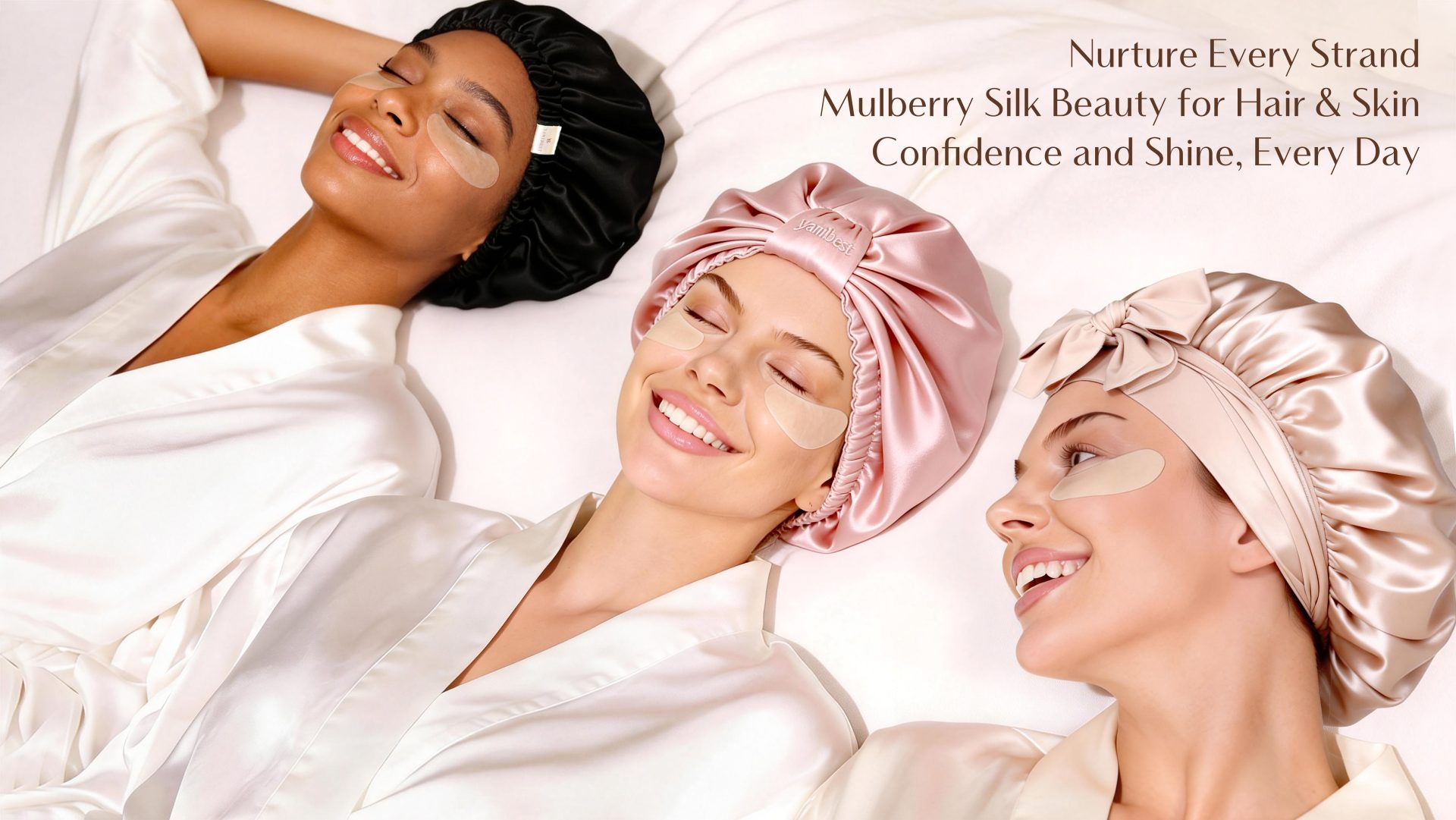
Mulberry silk reduces friction more than most synthetic blends. That means less breakage, fewer flyaways, and less crushed style when you take your beanie off. Silk wicks moisture moderately and stays smooth against hair and skin, so curls and treatments last longer. It’s lightweight, breathable, and naturally gentle; you’ll notice the difference in the morning. Expect higher cost and a need for careful washing, but you get softer contact and lower static as the trade-off.
What blended linings offer — and where they fail
Blended fabrics pair synthetic fibers with natural ones to add durability and loft. They often insulate better in deep cold and hold up to rough handling. The downside: more friction, potential pilling, and a tendency to trap sweat and odor. Blends can be fine for heavy winter wear or active outdoor use, but they’re not ideal when your top priority is preserving hairstyle or sensitive scalp comfort.
Real-world note from the field
From working with clients in Manhattan salons, I’ve seen one clear pattern: people who swap to a beanie with silk inside wake up with noticeably less frizz and fewer broken strands after a long shift or a night out. That real, repeatable result is why hairstylists and careful sleepers reach for silk-lined options when they can.
Common mistakes and how to avoid them
Assuming all “silk” is equal is the biggest slip-up. Look for 100% Mulberry silk rather than mixed silk or low-grade satin. Overwashing silk or using a hot dryer damages fibers; hand wash gently or use a delicate machine bag and air dry. With blends, expect pilling over time — don’t blame the shape or fit first. Finally, don’t buy a beanie purely for fashion; test fit and feel. If it scrunches or rubs against a high-friction seam, it’ll ruin your hair faster than the fabric choice alone.
Alternatives and when they make sense
Satin (polyester) mimics silk’s smooth surface at lower cost but lacks silk’s breathability and natural protein structure that’s kinder to hair. Fleece and wool blends are best when you need warmth above all; pick these for winter sports or very cold commutes. Cashmere feels luxurious and gentle, but it can be pricier and less smooth against treated hair than silk. Choose based on the primary need: preservation of hair, insulation, or durability.
Care that keeps the lining working well
Turn beanies inside out before washing. Use a mild detergent, cool water, and no tumble drying. For silk linings, press gently to remove excess water and reshape flat. With blends, remove pills promptly and air out after heavy use to prevent odor build-up. A little routine care extends fabric performance far more than buying the most expensive option does.
Where this leaves you
If your priority is hair health, smooth mornings, and a gentle feel on sensitive skin, choose 100% Mulberry silk lining. If you need rugged warmth or lower cost, a thoughtful blend is acceptable — but expect trade-offs. Pick the feature you can’t live without, care for the fabric as advised, and you’ll get reliable results. For a balanced option that keeps hairstyles intact while staying practical, consider the choices curated at yanibest as a quiet reference while you make the one that suits you best.