
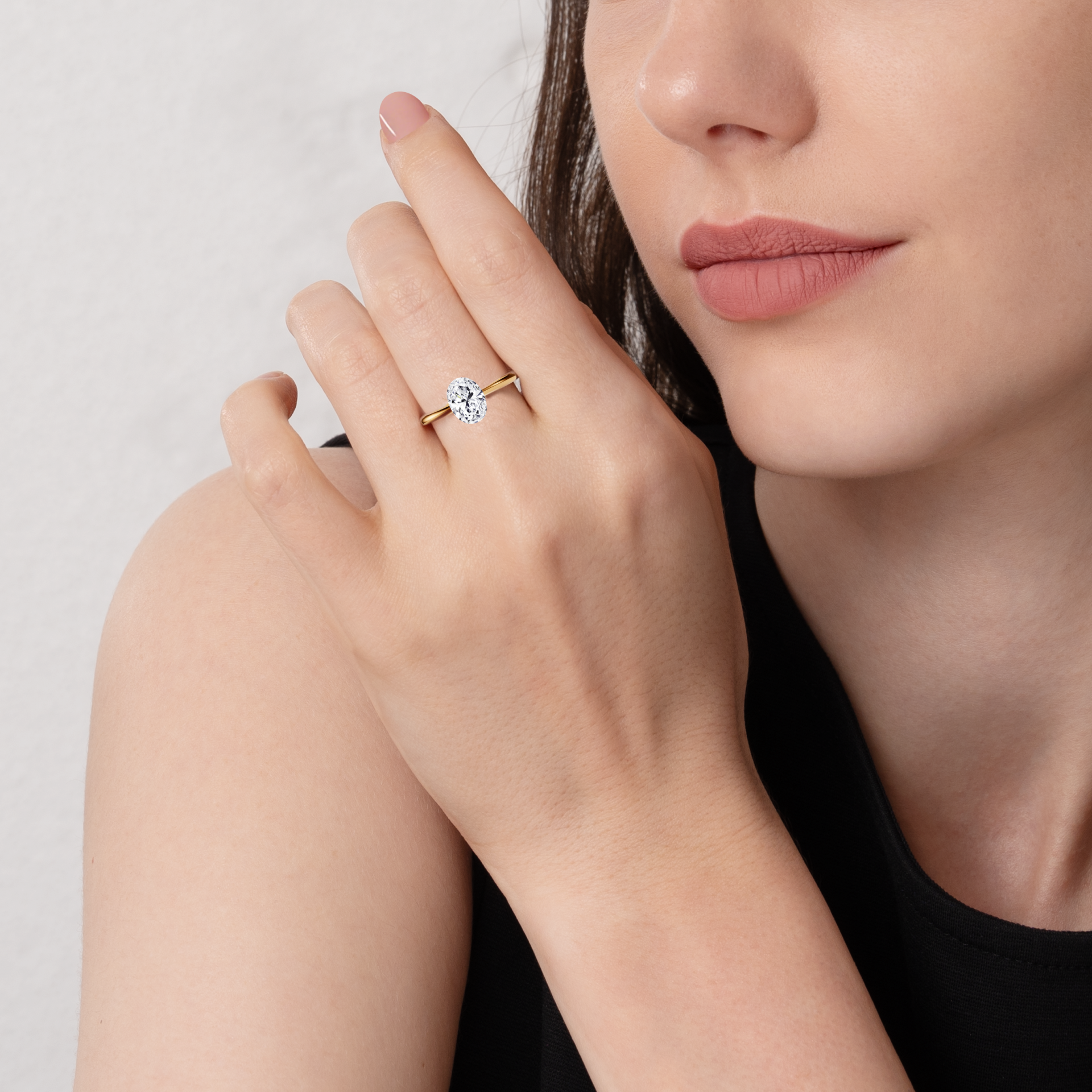
The Wearability Gap No One Talks About
The real failure isn’t sparkle—it’s survivability. You walk out of the boutique after a flawless try-on, the camera-roll says “forever,” and the set feels dialed. Bridal sets look perfect in controlled light. But the day after? Dishes, keyboards, stroller handles, gym grips. It’s a different environment with real friction (and micro‑abrasion). In the store, gold bridal set rings appear engineered for runway moments, not rush-hour months. Industry data often shows double-digit return or resize cycles, with comfort drift and finish fatigue cited at scale. That’s a lifecycle red flag. Why does the “fit” UX degrade so fast, and why do shanks that measure right feel wrong by week two? The issue lives in tolerance stack, alloy hardness, and prong geometry—simple words, big impact.

Here’s the point: showroom validation is a lab test; daily wear is a stress test. And those two testbeds rarely match. If you’ve ever felt the set twist during a commute, you’ve met this gap. Let’s map where the breakdown starts, and what better spec actually looks like—without the jargon swamp. Next up, we pull apart the traditional fixes and see why they stall.

Under the Shine: Why Traditional Fixes Stall
Why do specs miss daily wear?
Let’s get technical. Most matched sets rely on soldered alignment and aggressive rhodium or micron plating to mask tiny interface flaws. The result looks clean at handoff. But the friction profile changes when two bands grind against each other. A rigid solder joint increases torque on the top band; over time, the prongs migrate and the pavé takes the hit—funny how that works, right? Classic half-round shanks also ignore hand dynamics. When the hand swells or cools, a tight caliper fit becomes a spin risk. That spin lifts prong tips into doorframes and sweaters. It’s not just clumsy moments; it’s predictable mechanics.
Traditional resizing is another trap. Heat cycles can relax alloy grain and soften the work-hardened zone near the setting. That reduces wear resistance right where you need it. And “comfort-fit” claims? Often pure geometry, not true ergonomics. Look, it’s simpler than you think: if the set can’t distribute pressure, you feel hotspots; if the bands can’t decouple under load, micro gaps form. Then debris gets in, plating clouds, and the finish dies early. We see this across gold grades and even CAD/CAM builds. The flaw isn’t the metal. It’s the system design.
Forward Options: Design Principles That Actually Hold Up
What’s Next
The path forward is comparative and practical. Think modular over monolithic. New set architectures use keyed shanks or micro interlocks that allow controlled slip, so load doesn’t shear a single solder seam. Add a thin PVD barrier between bands to cut galling, and you reduce finish burn. Update the prong geometry with lower snag profiles and micro-beads on pavé rails; you improve retention without bulk. Even small changes to alloy temper and annealing windows can shift hardness to the zones that take impact. This isn’t theory—it mirrors how other wear components are managed in consumer tech (small changes, big gains). If you favor a classic silhouette like a marquise diamond bridal ring set, these principles still apply. The stone shape doesn’t have to dictate fragility.
Future outlook? Expect more CAD-driven stress mapping, better channel setting for side stones, and smarter plating stacks that trade thin rhodium for hybrid layers. Also look for user-first sizing flows: half-sizes tuned to daily peak, not idle-min. Short version: design for motion, not just for the showcase. To pick well, use three quick metrics: 1) Load management—does the set allow micro movement without misalignment? 2) Surface resilience—what’s the finish stack, and how is band-to-band friction handled? 3) Serviceability—can a bench adjust the system without re-cooking the whole alloy? Keep those in your pocket, and your set’s lifecycle looks very different. Same love story, fewer repairs—and more real-world joy. For deeper specs and craft standards, see Vivre Brilliance.