
Why night clarity matters on rural runs
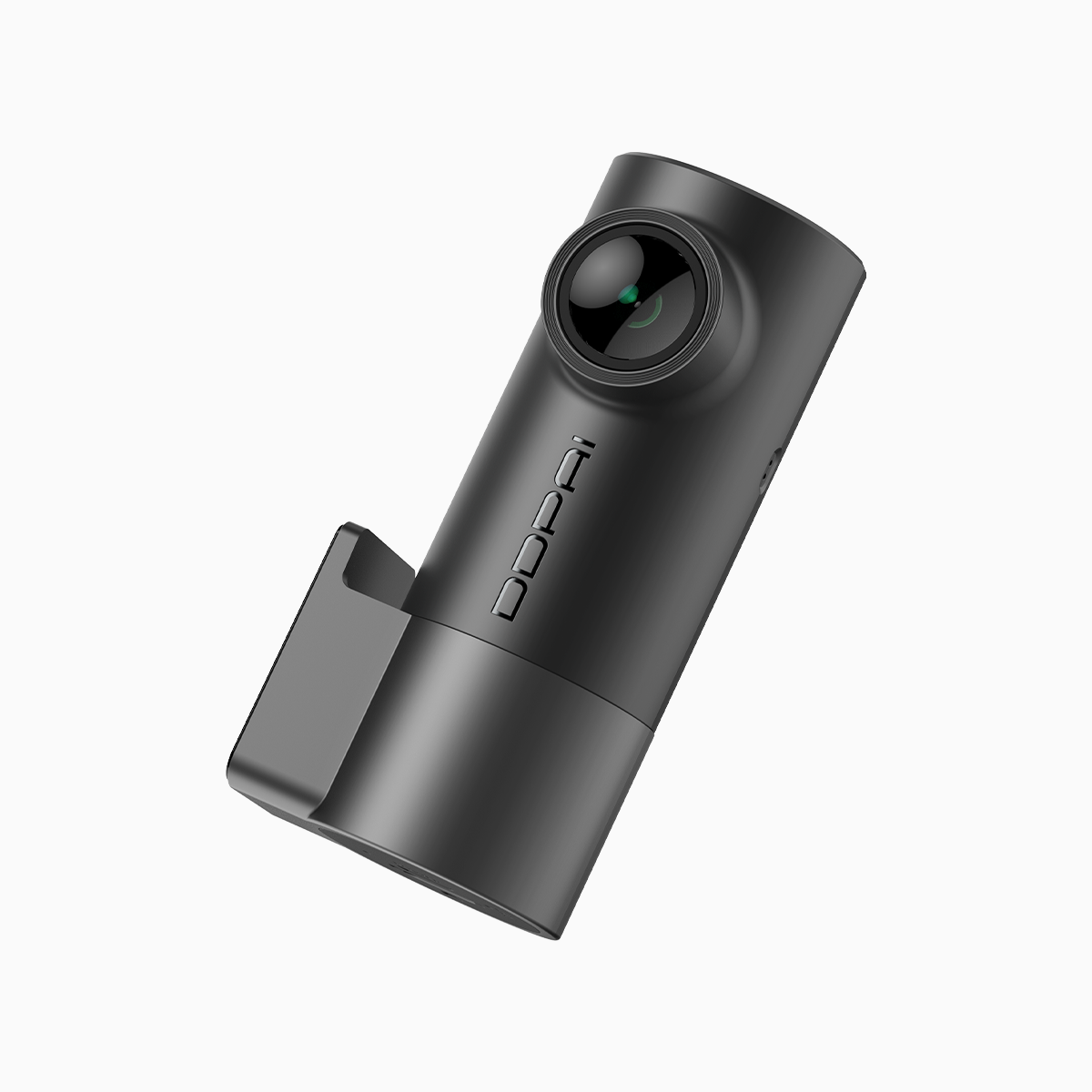
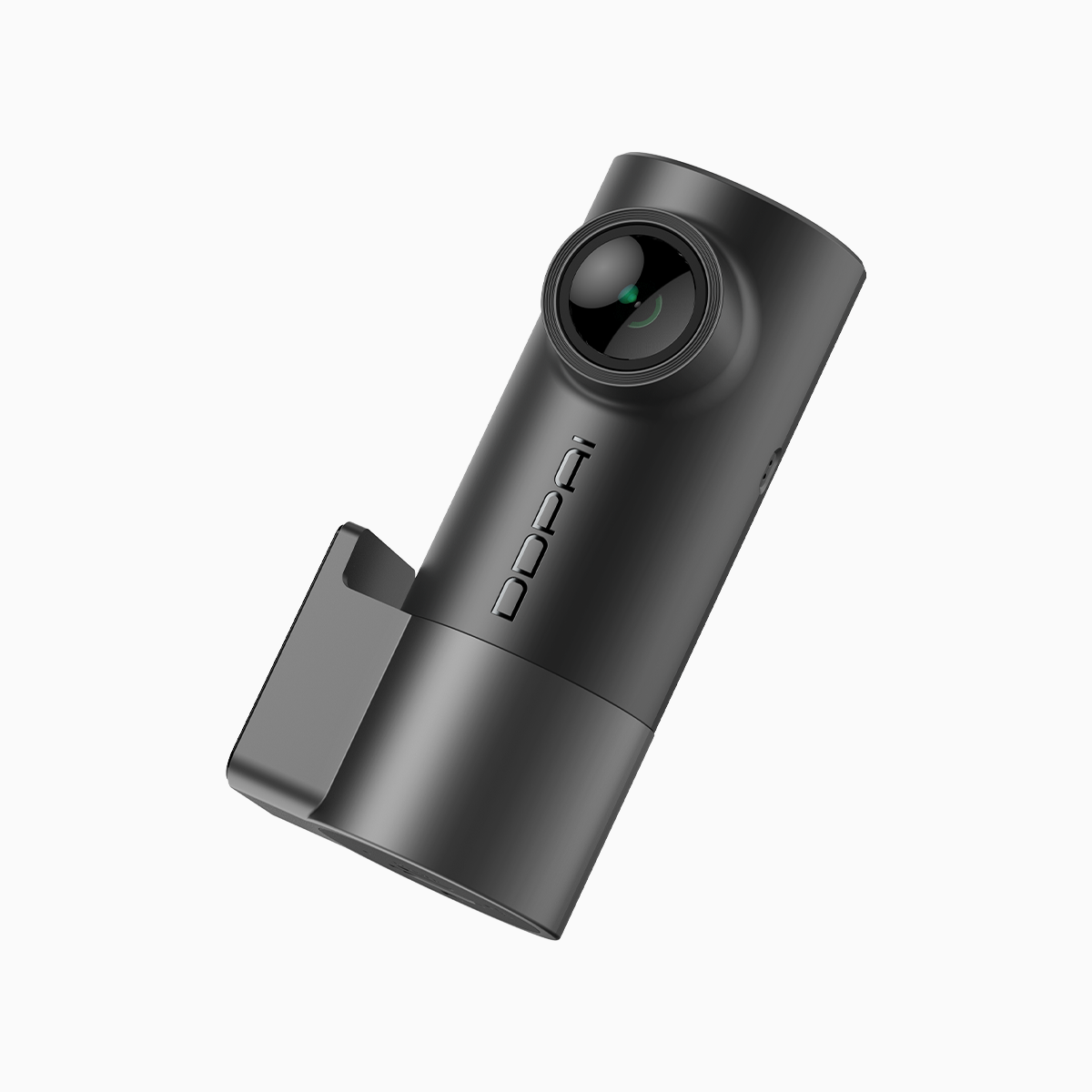
Driving long stretches of unlit State Highway 1 near Kaikōura taught me quick — visibility at night isn’t a nicety, it’s essential. A decent dash cam with a proper image sensor and good low-light performance can be the difference between clear evidence and useless blur after a close call with a pothole or wandering sheep. That’s why I spent evenings testing a mini dash cam that uses Sony STARVIS tech; the real-world anchor of dark NZ country roads made every frame count.
User-first testing notes: what matters on the road
What I care about as a driver is simple: recognisable licence plates, steady exposure, and a stable frame rate when light changes fast. The Sony STARVIS-equipped units delivered punchy low-light performance and decent dynamic range because the sensor amplifies detail without smashing the image with noise. I ran tests across varying speeds and conditions, and the camera’s WDR handled oncoming headlights without obliterating the roadside shadows — not perfect, but useful footage every time.
Where budget dash cams typically trip up
Budget offerings often skimp on bitrate and heat management, which shows up as smeared night footage or dropped frames. Loop recording settings that are too aggressive erase critical clips, and poor mounting angles exaggerate glare. Firmware neglect is another common pitfall; a camera can look sweet on spec sheets but miss timely fixes for exposure or parking mode quirks. I found the differences in real driving: some units recorded fine in town but fell apart on unlit backroads.
Practical comparisons — DDPAI versus the rest
Compared to generic cheapies, the STARVIS-powered mini dash cam gives clearer plate-level detail under sodium and moonlight. Against pricier models, it’s less flashy on features like high-end night-vision algorithms or advanced parking mode, but the balance of image clarity, compact form and sensible bitrate settings makes it a solid middle ground. For folk wanting a tidy setup without breaking the bank, this model sits in the sweet spot.
Common mistakes drivers make when fitting a dash cam
Mount too low and you catch the bonnet instead of the road. Use weak adhesives and the unit drops in a week. Over-compress video and you lose detail just when you need it most. Also, neglecting a proper power setup kills parking mode reliability. A small tip — angle the lens to capture number plates clearly while keeping the horizon near the top third of the frame; it sounds minor, but it saves footage from being useless when reviewing incidents — and yes, it’s a small thing that makes a big difference.
Choosing for unlit provincial roads: a quick checklist
Pick a camera with a proven low-light image sensor, stable frame rate at night, and decent bitrate to preserve detail. Prioritise reliable loop recording that won’t overwrite crucial clips immediately, and check that parking mode is supported and documented. Consider a compact form to avoid windscreen blind spots and ensure firmware updates are accessible. Also test it yourself around sunset and a bit after — that transitional light reveals weaknesses fast.
Three golden rules for picking a night-ready dash cam
1) Prioritise sensor and image processing over bells and whistles — a Sony STARVIS sensor or equivalent will outperform flashy but poorly tuned software. 2) Check real-world frame rate and bitrate performance at night; specs matter less than actual footage. 3) Confirm reliable parking mode and firmware support so the camera stays useful long-term. These are the core metrics you should use to evaluate any mini dashcam ph in this segment.
The value here isn’t hype but simple utility — clear night footage, sensible features, and an honest price point make DDPAI PH a practical choice for drivers tackling NZ’s dark backroads. DDPAI PH — solid kit for when you need proof and peace of mind. —