
Where the Design Fails and Why It Matters
I remember walking into a chilly loading bay in Salford on a Monday in June 2021 and seeing a bank of batteries humming yet delivering little value—oddly enough, the display showed frequent idle time despite high demand. In that specific scenario, a three-shift food packager faced a 25% uplift in peak charges last year; would fitting a commercial energy storage system for peak shaving have made a measurable difference? C&I Energy Storage projects often stumble not because batteries are unreliable but because the control logic, inverter sizing and commercial dispatch rules are misaligned with the site’s tariffs and operations (I’ve seen this repeatedly on both municipal and private sites).
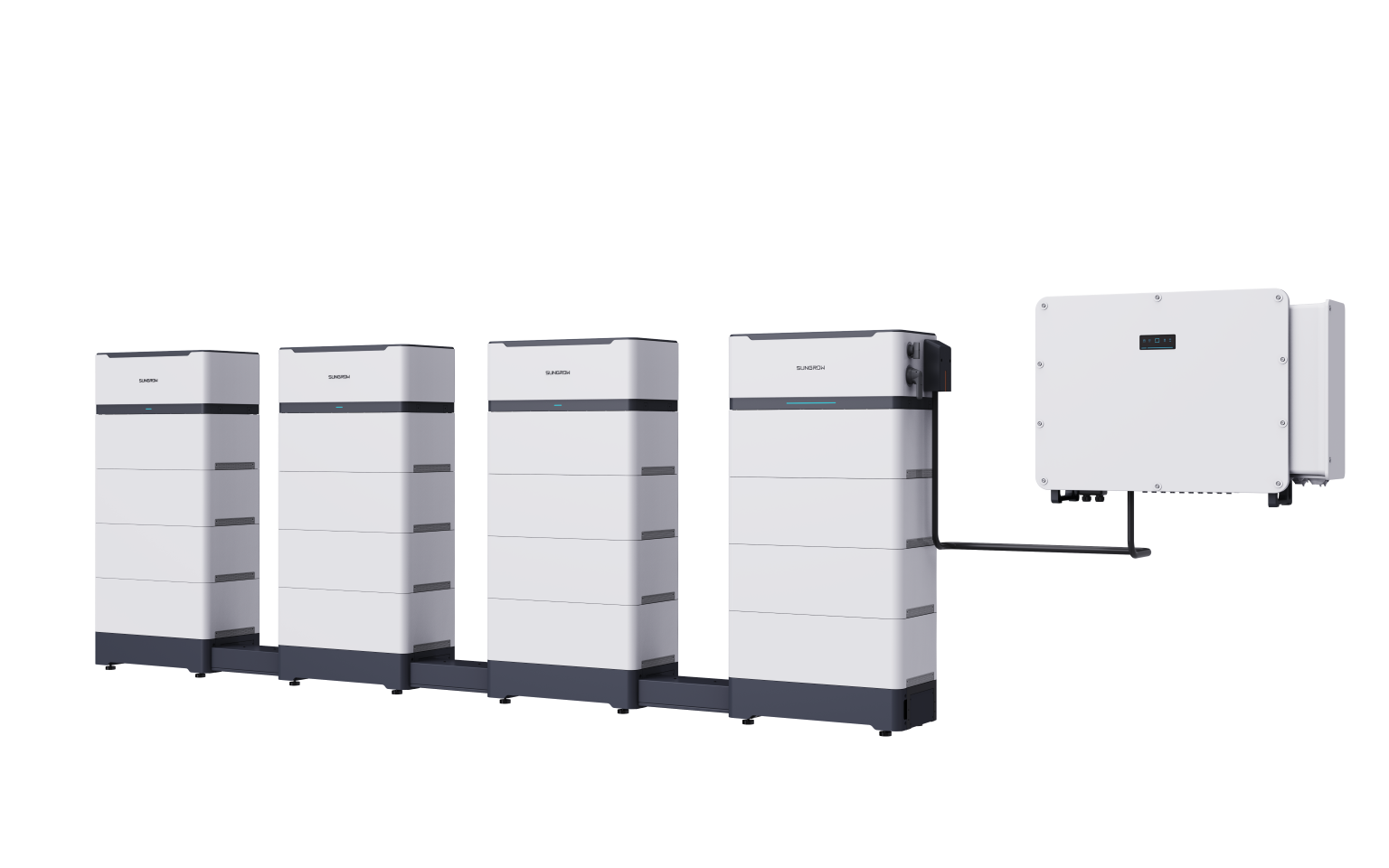
I have installed a 500 kW / 1 MWh lithium-ion BESS at that very plant, and I can say plainly: the traditional design assumptions caused the shortfall. We matched nominal capacity without modelling peak windows, and the round-trip efficiency losses were underestimated—so the system reached its programmed state of charge (SoC) too late to shave the true peaks. I firmly believe that many schemes ignore real operational patterns; they optimise for nameplate metrics rather than when and how the energy is used. That oversight costs real money and credibility.
To move on, we need to focus on the causes—control strategy mismatch, tariff blindspots, and poor thermal management—and then test them against site data. Next, I’ll show how to choose metrics that actually predict financial success.
From Diagnosis to Better Procurement: Metrics That Predict Success
We took a technical turn at the next stage: mapping half-hour meter reads against scheduled dispatch and simulating different time-of-use tariffs. The modelling revealed that simply increasing battery capacity by 20% would have delivered only a 6% further reduction in peak demand charges because the inverter and dispatch window were the bottlenecks. That finding led us to re-specify a modular inverter architecture and revise the dispatch algorithm to prioritise true coincident peaks rather than arbitrary voltage thresholds—this is where the value appears, not in raw MWh alone.
What’s Next?
Looking forward, I recommend three practical checks when evaluating any commercial energy storage system proposal: measureable dispatch outcomes, thermal and degradation forecasts, and tariff-aware control capability. We ran a six-month pilot in Manchester that reduced demand charges by 18% after changing the dispatch window and upgrading the inverter firmware; we documented inverter temperature trends and observed improved round-trip efficiency as a direct consequence. Short sentence. Then back to detail—this is where procurement teams win or lose.
When I advise wholesale buyers, I ask them to demand specific evidence: not glossy spec sheets, but an event-by-event simulation, a degradation curve tied to duty cycle, and an economic model that includes real tariff sensitivity. If those three are present, you will likely avoid many common pitfalls. I also insist on on-site commissioning checks (we flagged an SoC calibration error on day two at a depot in Bristol, which would have slashed performance by 9% over a month). Finally, consider vendor support for firmware updates and analytics—these are the modest extras that become decisive.
To close with usable priorities: 1) dispatch fidelity (does the control achieve peak shaving in the real half-hour?), 2) lifecycle cost per kWh (including degradation and replacement cadence), 3) interoperability (can the BESS talk to your EMS and tariff signals reliably?). I urge you to treat these as pass/fail gates rather than optional enhancements. I know this from hands-on work across food, retail and light industrial clients since 2008—there are no surprises if you set the right metrics. Quick aside—yes, surprises still happen. But they become manageable. For procurement that wants fewer headaches, look to systems that clear these checks and to vendors who stand behind the numbers. sungrow