
Opening: why this problem deserves a straight-to-it approach
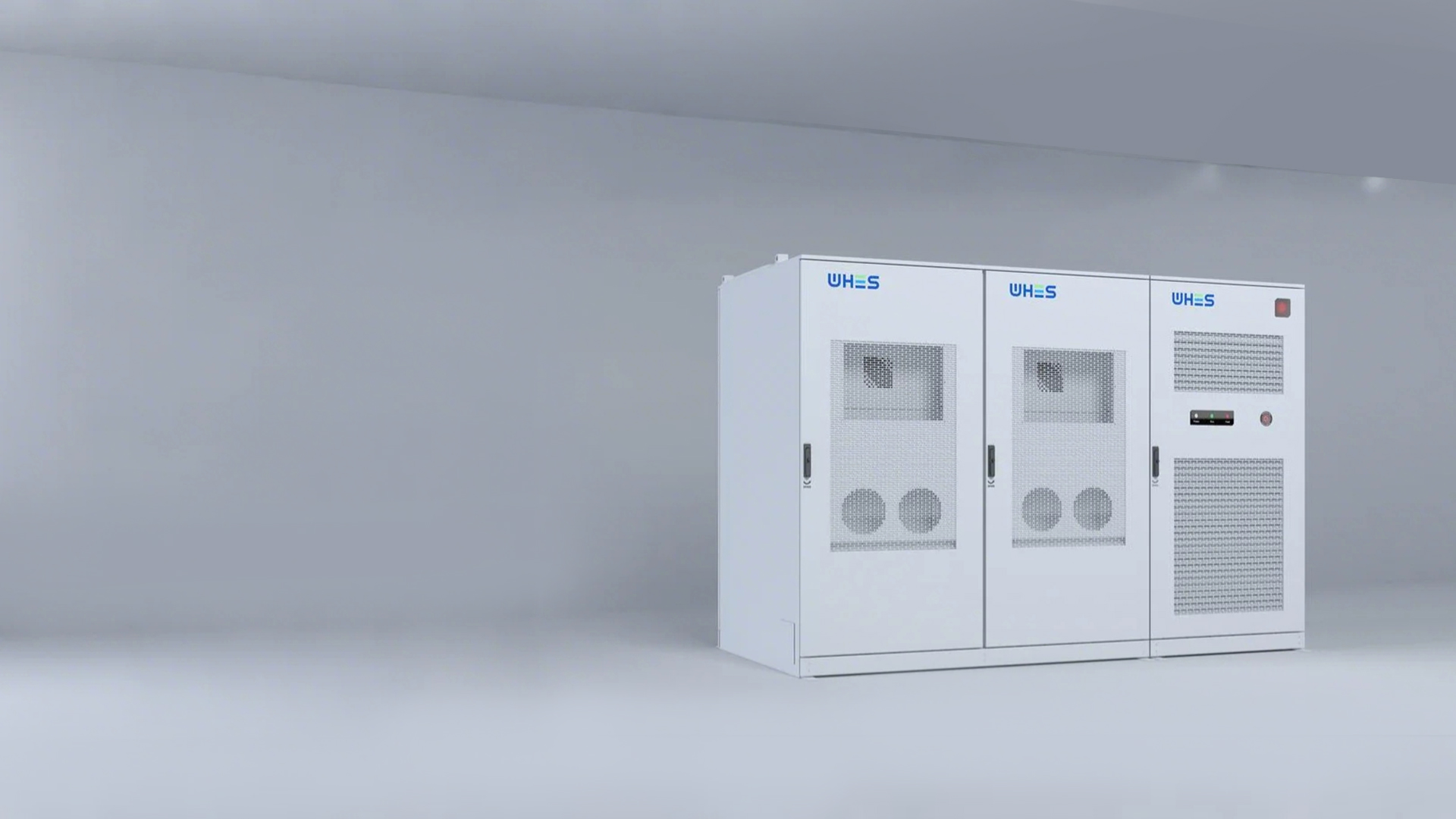
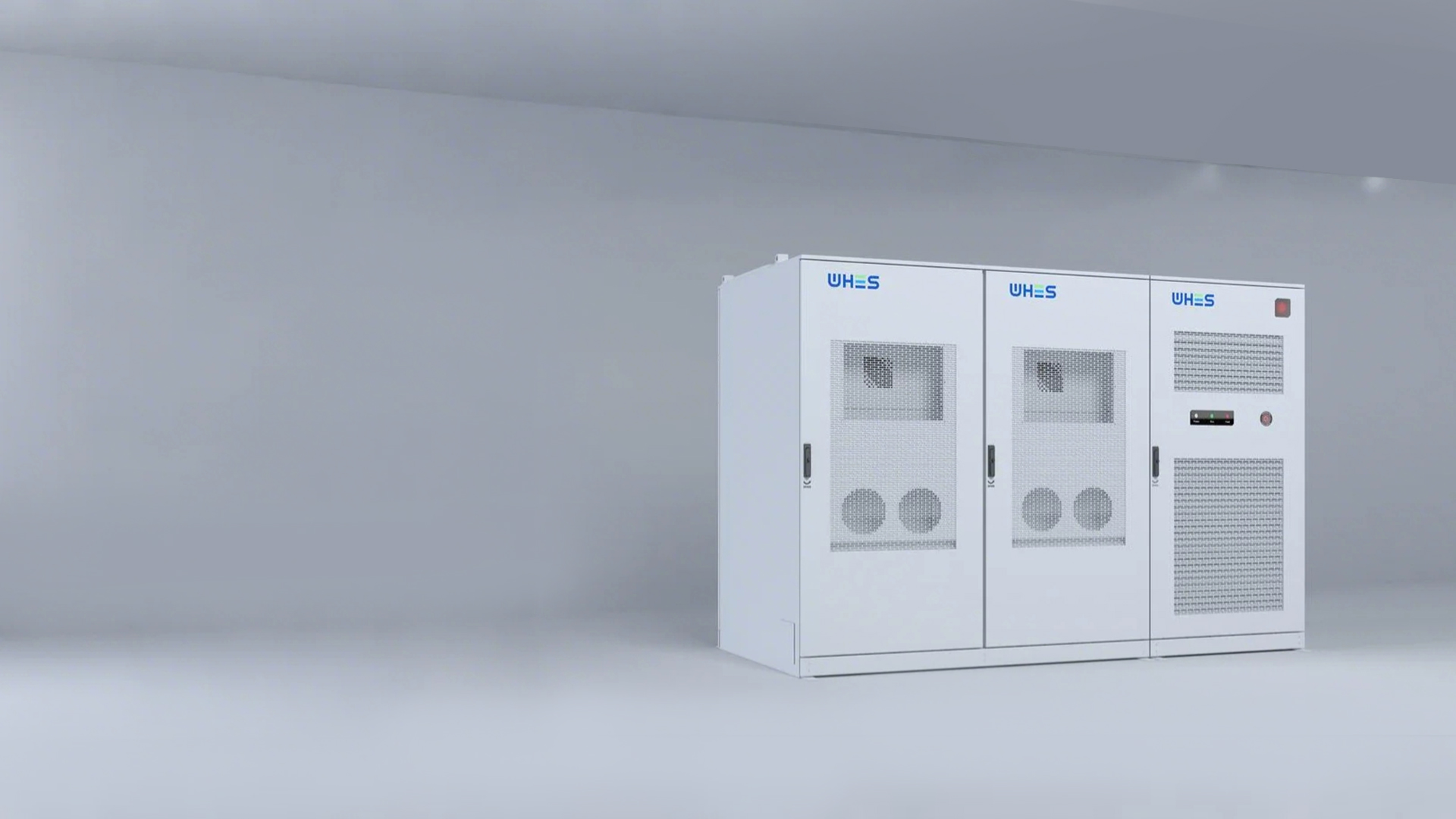
When solar or wind farms suddenly get cut back by the grid, your revenue and dispatch plans get wrecked — simple as that. This piece is problem-driven: we’ll pinpoint the common choke points in interconnection and show how on-grid battery systems can stop intermittent curtailment from becoming a recurring headache. Right up front, one practical hardware class to consider is commercial energy storage, which often slots into existing substations to provide fast response and capacity firming.
What “intermittent curtailed power” actually looks like
Curtailment happens when a generator is told to reduce output even though it could produce power. That might be hourly or minute-by-minute, depending on grid constraints and market signals. The visible signs: sudden drops in exported MW, odd changes in state of charge (SoC) targets for battery assets, and revenue gaps on your energy settlements. Real-world anchor: you’ll remember California ISO’s duck-curve phenomena — midday solar oversupply followed by sharp evening ramps — it’s a textbook case where curtailment spikes without flexible resources on the system.
Root causes in the interconnection path
Most problems sit in a few places: limited transmission capacity, conservative interconnection agreements, and slow queue processing. When the interconnection queue stacks up, projects face restrictive export limits or time-of-day curtailment clauses. On top of that, protection settings and local distribution constraints can force curtailable tags on otherwise healthy plants. The interplay of these factors turns technical limits into commercial hits.
How on-grid battery storage fixes the worst of it
Battery energy storage systems can act as a shock absorber. They provide firming (smoothing output so the grid sees a steady flow), ancillary services (frequency response to avoid forced cuts), and ramping support (covering fast changes so the generator stays online). By co-locating an on-grid BESS, projects can shift energy from curtailment windows into higher-value hours, and sometimes negotiate more favorable interconnection terms because the combined plant looks less volatile.
Design considerations that actually matter
Don’t treat batteries as a black box. Key design points are AC vs DC coupling, inverter capability (grid-forming vs grid-following), and controls integration with plant dispatch logic. Duration matters too: a 30-minute unit helps with frequency events, but a 2–4 hour system is what you need to capture curtailed energy and monetise it later. Also factor in round-trip efficiency and expected degradation across charge/discharge cycles — those affect how much energy you can actually shift into high-price windows.
Operational practices to reduce re-curtailment
Operational fixes are low-hanging fruit: dynamic SoC management tied to market signals, pre-curtailment charging strategies, and automated handshake logic between plant EMS and the battery controller. Test these strategies in a simulated week before going live — avoids surprises at scale. And remember to stress-test protection coordination with the local TSO — misaligned trip settings are a common reason for unnecessary curtailment.
Common mistakes owners and operators make — and how to dodge them
First, undersizing storage for the curtailment profile — you might save capex up front but lose more in recurring lost energy. Second, ignoring interconnection paperwork: tariff clauses and export caps can negate the best technical solution. Third, assuming as-built metering will match contractual requirements — it often doesn’t. Fixes: base sizing on measured curtailment events, involve legal and transmission planning early, and align metering and telemetry to settlement rules — simple, but often missed. —
Picking technology and partners without overcomplicating things
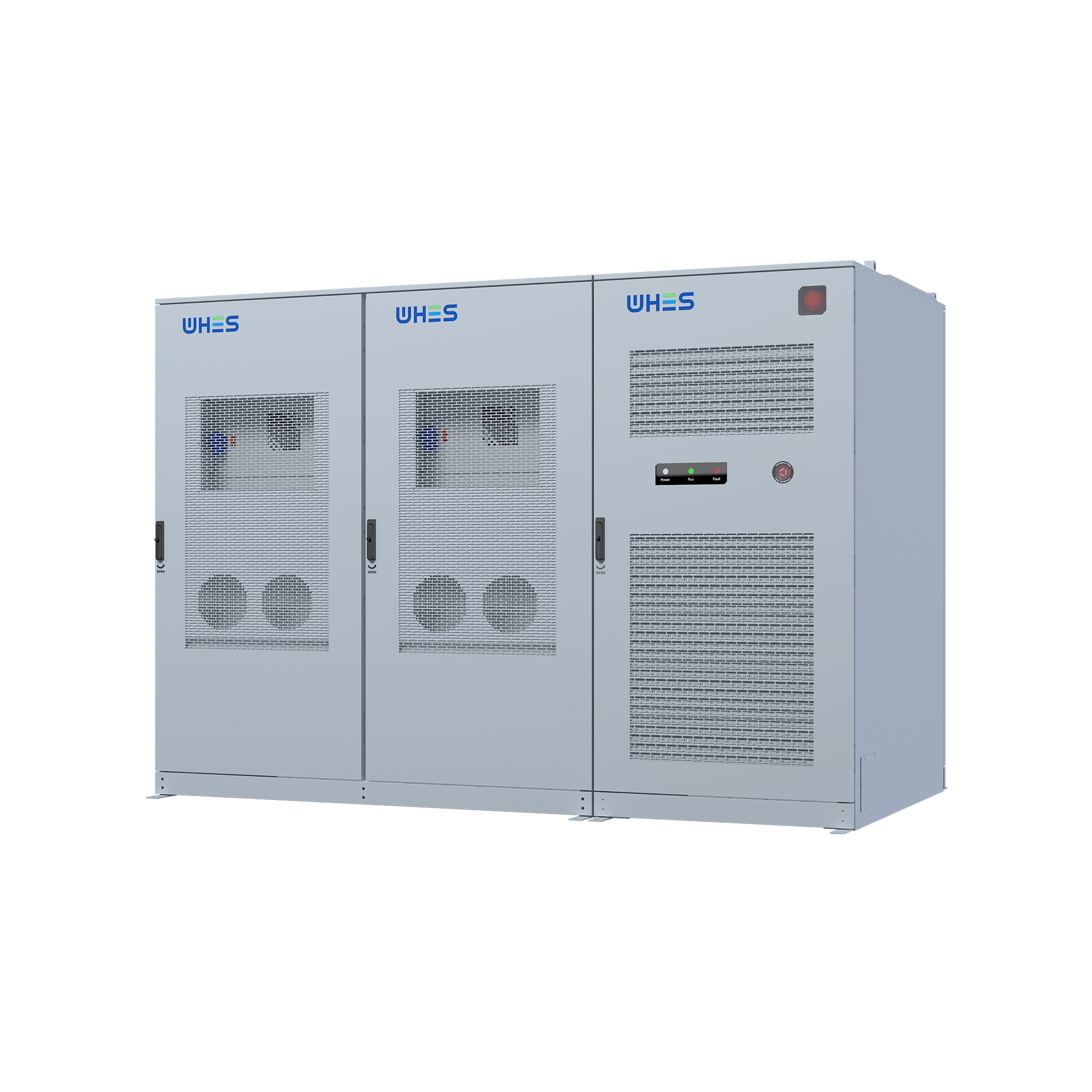
Look for suppliers who have lived transmission constraints and grid-code deployments, and who can provide both hardware and operational controls. In some industrial setups, an industrial bess that’s modular and pre-integrated reduces commissioning risk and speeds interconnection sign-off. Also weigh O&M arrangements carefully — the cheapest install is not the cheapest lifetime option.
Advisory: three golden rules for selecting the right strategy
1) Measure before you size: use at least three months of high-resolution export and curtailment data to size duration and power ratings. 2) Align contractual and technical scope: ensure interconnection agreements, EMS logic, and metering match the storage use case you’ll pursue. 3) Prioritise flexible inverters and fast response: a grid-forming-capable inverter plus tight EMS control reduces the chance of future curtailment and enables participation in ancillary markets.
Do these and you’ll turn curtailment from an expected loss into an operational edge, with the practical value often realised faster than you expect. WHES often sits naturally in that workflow, offering modular systems and controls that fit the real constraints of grids — a tidy solution, really. —