
Introduction: A Kitchen-Table Moment, Data, and a Question
I was at the sink, scraping at stubborn tea stains from my favorite mug, and I thought about teeth—how we fight stains all day long. Abrasive silica for toothpaste sits in that same space between polish and pressure. Studies show many whitening pastes remove surface stain but can raise dentin wear by measurable amounts (RDA scores vary widely). So: what if a cleaner could feel like silk and still be tough on plaque? I can almost taste the mint and feel the grit—subtle, grainy, fragrant. The texture matters. The sound matters. We care about mouthfeel as much as we care about results. How do we choose materials that balance polish with safety? This piece will steer from the sensory table to the lab bench—follow me as we dig deeper into what really matters next.
Part 2 — Where Common Fixes Fall Short: A Technical Look at Hydrated Silica
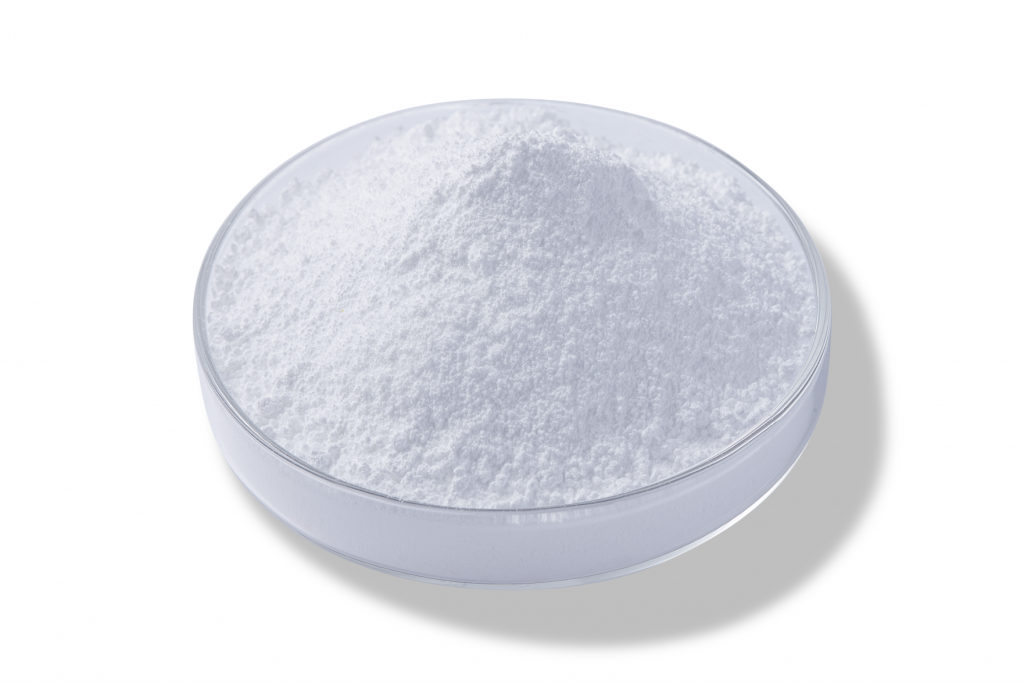
hydrated silica in toothpaste is often the go-to abrasive in many formulas because of its polish and low cost. But the common approach has blind spots. First, particle size distribution is rarely tuned for real-world brushing behavior. Manufacturers pick a median size and call it a day. Second, surface area and morphology (how jagged vs. rounded the grains are) change how a paste abrades enamel or dentin. Third, we trust RDA numbers as a quick safety badge—yet RDA tests are lab-bound and don’t always match daily use. Look, it’s simpler than you think: if you focus only on headline abrasivity, you miss how paste viscosity, brush stiffness, and brushing force combine to cause micro-wear.
So what’s the real user pain?
Users report that many whitening pastes feel rough at first, then leave teeth sensitive after weeks. That sensitivity is one of the hidden pains. It links to micro-scratches that alter surface gloss and trap more stain later. From a materials view, silanization and binder choice also matter; they affect how particles stay suspended and how they interact with fluoride. I feel we underestimate formulation synergy—abrasive particle behavior plus binder chemistry plus surfactant choice equals the real outcome. Also—manufacturers sometimes prioritize cost over tuned particle engineering, which is a shame. We can do better by combining reliable silica gel processing with thoughtful particle engineering and clear testing beyond a single RDA value.
Part 3 — Future Outlook: Practical Paths and Evaluation Metrics
Looking forward, I expect the next wave of toothpastes to tune abrasive systems with more nuance. That means controlling particle shape, surface area, and distribution to optimize polish while limiting dentin exposure. We may also see hybrid abrasives—very fine hydrated silica blended with low-abrasion polishing agents—to get both shine and safety. In practice, that means lab teams will use more realistic wear simulators and cross-check with in vivo sensitivity reports. I think these moves will reduce surprise sensitivity and improve long-term gloss. — funny how that works, right?
What to watch for
Here are three practical evaluation metrics I use when judging new formulations: 1) Multi-factor abrasivity score (RDA plus particle shape index and surface area), 2) Real-world wear simulation (brush force, time, and slurry behavior), and 3) Post-use sensitivity reporting from blinded trials. These help separate marketing claims from real performance. I encourage brands and labs to publish richer test data. In the end, choosing a paste should be as simple as reading a label—but informed by good science and clear results. For suppliers and formulators exploring refined hydrated silica in toothpaste solutions, look for partners who can deliver consistent particle control and transparent testing. We want clean teeth that stay comfortable. That is my goal—and JSJ can be a resource in that journey: JSJ.