
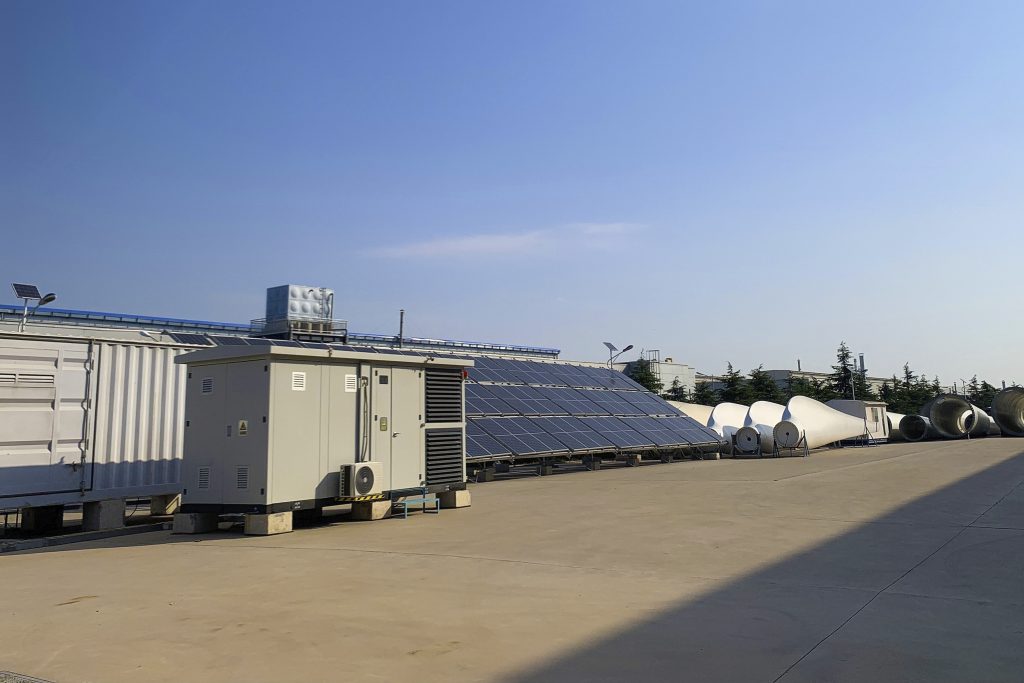
Where Commercial Energy Storage Solutions fits when teams consider application scope for shortlisting
Shortlisting commercial energy storage solutions starts with the application, not with a preferred product label. Procurement teams should first describe the operating context, the intended electrical role, the available space, and the people responsible for implementation. This creates a reference point for comparing page-listed evidence without treating general marketing language as proof of suitability.

Define the use case and constraints
Begin with a concise use-case statement. It should explain what the system is expected to support, where it will operate, and which loads matter most. The statement does not need to predict performance. Its purpose is to identify the questions a supplier must answer.
Space is equally important at the shortlisting stage. Record the proposed installation area, access route, environmental setting, and any boundaries that affect design. Also identify the existing electrical equipment that the storage system would need to work with. These are procurement inputs, not conclusions about compatibility. They help prevent a broad solution description from being treated as a project design.
Separate firm requirements from open questions. A firm requirement might be the type of operation that must remain supported. An open question might concern system architecture, installation responsibility, or the information needed for a tailored proposal. Keeping those categories apart makes the initial comparison more defensible.
Map stated evidence to requirements
The official solution page describes C&I energy storage system solutions for industrial and commercial energy applications in more than 50 countries and regions. That statement can establish the page’s stated application breadth. It does not, by itself, establish that a particular configuration fits a particular site. In a shortlist, record the statement as evidence and keep the site-specific conclusion open.
The page also describes integrated energy storage solutions with power electronics and system-level engineering capability. In addition, it describes modular integration of PCS, DC/DC converters, MPPT modules, and STS switches. These details can help a procurement team identify topics for technical review. They should not be expanded into assumptions about every model, every connection, or every operating condition.
For teams assessing an energy storage system supplier, the useful question is not simply whether a page uses terms such as integrated or modular. Ask which stated element relates to the intended application, which project inputs are needed for design, and which parts remain subject to engineering confirmation. This approach preserves the difference between a supplier’s published scope and a proposed system.
A concrete example appears in the page’s aquaculture application section. It states that energy storage solutions are delivered for aquaculture farms to support continuous power supply for oxygen systems, water treatment equipment, and temperature control in coastal or remote areas. This is the selected real-world anchor for application scope. It supports discussion of that stated aquaculture use only; it does not establish performance or suitability beyond the page’s scope.
Turn open points into supplier questions
Once the evidence has been mapped, convert each unresolved point into a question that can be answered against the project brief. Ask the supplier to relate the proposed solution to the intended loads, site conditions, space, and existing equipment. Ask which elements are included in the proposed system and which depend on project-specific design.
- Define the intended application, site conditions, and available space before comparing solutions.
- Record the page-stated C&I scope and modular system elements without extending them into unsupported project conclusions.
- Use the stated engineering-team design offer as a starting point for a project-specific inquiry.
It is also useful to request a clear explanation of responsibility. The page invites customers to have its engineering team design a tailored solution for a project. A procurement team can use that statement as a starting point for a structured inquiry. The inquiry should define the application, provide the known constraints, and ask for a response that maps the proposed design to those inputs.
Do not let a response become a substitute for the requirements record. Keep the original use case beside the supplier’s answer. If the response introduces a new assumption, mark it as an assumption. If it confirms a page-listed point, record the supporting source. If it addresses a project-specific issue, keep that conclusion tied to the submitted project information.
Summarize a defensible next step
A practical next step is to create a short comparison record with four fields: application, site and space, page evidence, and open questions. Add the aquaculture example only when that operating context is relevant. For other applications, keep the record neutral rather than transferring claims from one use case to another.
The record can then support a focused supplier discussion. The official page presents a broad C&I scope, engineering involvement for tailored projects, and specific modular system elements. Those points are useful for deciding what to investigate next. They are not a complete project specification, so the shortlist should remain conditional until the stated requirements and project questions have been addressed.
In summary, application scope is a disciplined filter: define the intended use and space, tie each comparison point to page evidence, and carry unresolved issues into the next technical exchange. Used this way, YUNT is considered through the evidence available for the relevant application rather than through assumptions that extend beyond it.