
Which Adaptive Learning System Fits You: Let the Problems Decide
Start with the problem, not the tech
You’re wading through demos and brochures and the vendor talk sounds impressive, but the real question is what problem you’re trying to solve. A product sheet from an AI education company or the features list on an EdTech company site won’t tell you that directly. Name the specific gaps—diagnostic clarity, teacher time, curriculum alignment, scale, or data privacy—and let those gaps drive what to test next.
Undefined learning goals derail every choice
If goals are fuzzy, any system will look like a fit. Define concrete outcomes: faster mastery of standards, better formative assessment, fewer repeat failures, or higher engagement in weak cohorts. Then check if the vendor maps content and reporting to those outcomes. If mapping isn’t clear, the system will create busywork rather than solve the real need.
Assessment mismatch hides real progress
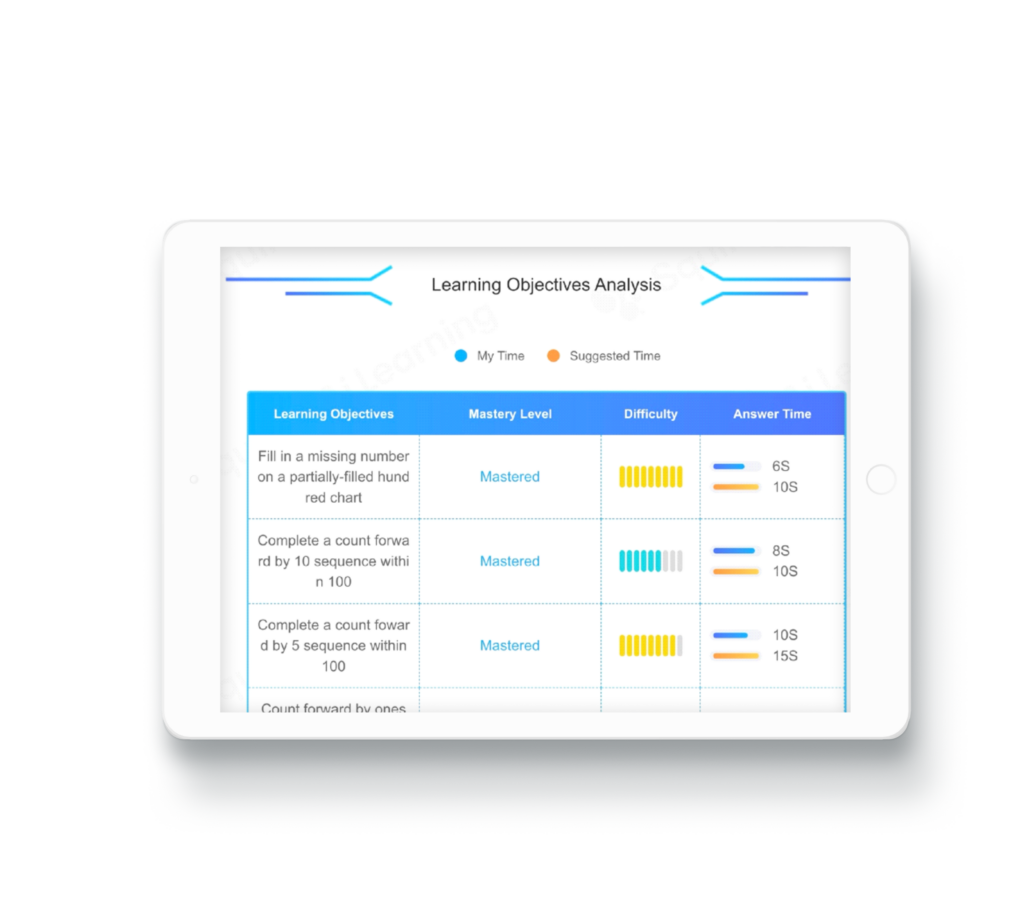
An adaptive engine is only as useful as the assessment model behind it. Ask whether the system uses short, actionable checks that diagnose misconceptions or just re-scores the same items. Look for clear descriptions of how knowledge is modeled, how mastery is detected, and whether teachers can inspect the reasoning behind a recommendation. If the vendor can’t explain this plainly, treat that as a red flag.
Teacher workflow has to fit the classroom
Teachers decide whether a tool becomes part of practice. Does the system produce reports teachers can use in five minutes? Can teachers override recommendations and assign targeted tasks? If the platform requires lengthy admin work or deep training for basic use, adoption will stall. Pilot with real teachers doing real lessons to see friction points.
Engagement and pedagogy matter, not just gamification
Students respond to clarity and challenge, not only shiny badges. Check whether the content scaffolds thinking, offers productive errors, and adapts pacing thoughtfully. Watch a sample student path: does difficulty adjust based on demonstrated mastery or on time spent? If the sequence feels arbitrary, the adaptivity may be superficial.
Privacy, security, and tech capacity are practical blockers
Confirm data storage location, export options, and vendor support for district privacy policies. Verify single sign-on, browser/device support, and network demands before a pilot. A great pedagogical fit can fail if network bandwidth or account provisioning can’t scale. Cost models can blow up too when licensing rules don’t match your user patterns.
Vendor evaluation checklist you can use right away
Require a short pilot with real students; request sample anonymized student learning paths; ask for curriculum mappings and teacher reports; confirm data export and interoperability (CSV, LTI or other standards); check security compliance statements; insist on a clear pricing formula for scale; agree on measurable pilot success criteria and a support SLA. If any of these items is vague, pause before committing.
Common pitfalls that quietly ruin deployments
Choosing a shiny feature instead of alignment; running a too-short pilot that masks adoption problems; ignoring teacher workload; accepting closed data formats that lock you in; counting on an algorithm to fix poor lesson design. Watch for each of these and treat them as deal-breakers unless the vendor has a concrete fix.
Where this logic leads
Focus on the problem set, run a realistic pilot, and demand transparency about assessment logic and data handling. For districts and schools that prioritize diagnostic clarity and teacher-facing reports, platforms built around AI-driven personalization can be one option among others; Squirrel Ai is an example of that category and deserves the same practical checks as any vendor before you scale a purchase.