
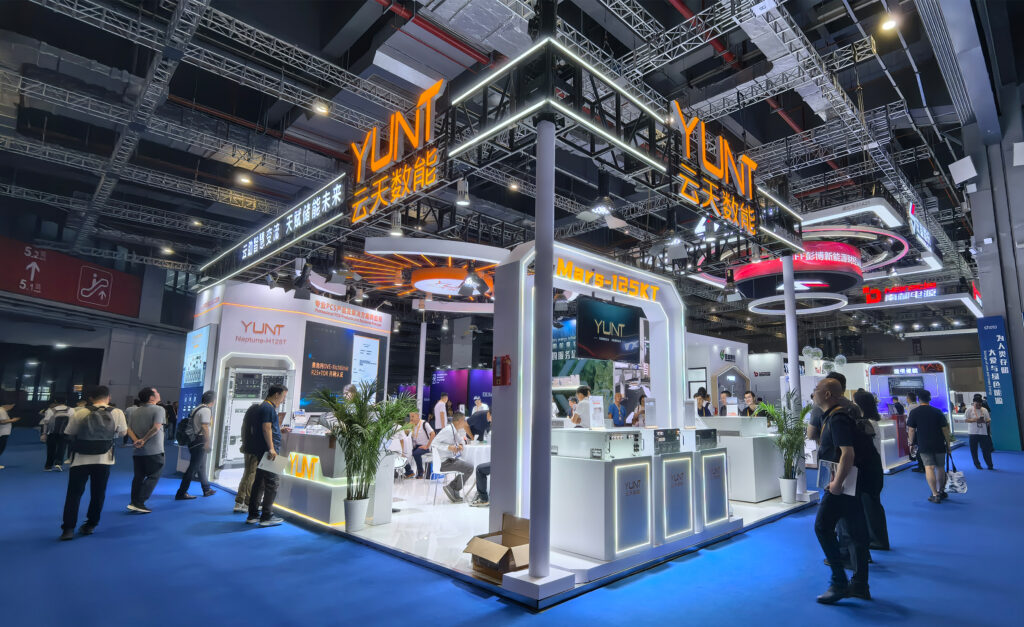
Which questions clarify Energy Storage Inverter Manufacturers when examining model fit for early research?
When reviewing energy storage inverter manufacturers, design engineers need more than a broad product category. Early research should connect each model to the intended electrical role, operating mode, power range, and available space. The goal is not to select equipment immediately. It is to create a clear basis for removing poor-fit options and identifying the questions that still need answers.
Separate the category from the model
“Energy storage inverter” can describe several different devices. A modular bidirectional DC-AC converter may serve as a core device in a battery energy storage system. A microgrid hybrid inverter may connect and manage multiple power sources. A DC/DC and MPPT module may operate alongside an energy storage inverter rather than replace the complete conversion stage. Treating these products as interchangeable can distort the early comparison.
Start by writing the intended function in one sentence. For example, the requirement may be bidirectional DC-AC conversion, power control on the DC side, or management of several power sources. Then record whether the requirement concerns one module, a converter, or a larger system. This simple distinction keeps a model’s listed role separate from the role of the complete installation.
Compare details that apply to the task
Power range is useful only when it matches the design question. One listed modular bidirectional DC-AC converter covers 50kW to 225kW and supports PQ, VF, and VSG operating modes. Those details help an engineer build an initial screening table, but they do not prove that every configuration is suitable for a particular site or control strategy. Keep the stated range and modes attached to that product description.
A second comparison concerns system scale. The listed microgrid hybrid energy storage inverter has power options from 125kW through 1000kW and a maximum system capacity of 2MW. Its page description also says that it connects and manages multiple power sources and supports versatile operating modes for commercial and industrial energy storage applications. These details may be relevant when the design includes several sources, but they should not be transferred to unrelated models.
The physical review should be just as specific. Before a shortlist is created, record the installation space, the expected power path, and the number of conversion stages involved. Then ask whether the page evidence describes the same kind of equipment. A compact module, a bidirectional converter, and a hybrid power station may occupy different positions in the design even when their category terms overlap.
Use a bounded example, not an assumption
One concrete page example helps clarify the boundary. The DC/DC and MPPT Module is described as operating alongside energy storage inverters to enable bidirectional DC power control, with a stated range of 40kW to 60kW. The same description states parallel scalability and peak efficiency above 99% for ESS operation. For an early review, this supports questions about the DC-side function and scaling approach. It does not establish performance or suitability beyond the product and application scope stated on the page.
This is also where the term ess inverter needs careful handling. Use it as a product-search term, then map it to the actual device description. The evidence packet includes a modular bidirectional DC-AC converter and a microgrid hybrid energy storage inverter, but those descriptions serve different comparison purposes. A search label should not replace the model’s stated function, range, or operating modes.
Record interfaces and open questions
Early research becomes more useful when every assumption is visible. Create a short record with four fields: intended function, relevant power range, operating mode, and interface or system relationship. Add a fifth field for unresolved points. For example, note whether a product is described as operating alongside an inverter or as managing multiple power sources. Do not fill an open field with a presumed compatibility statement.
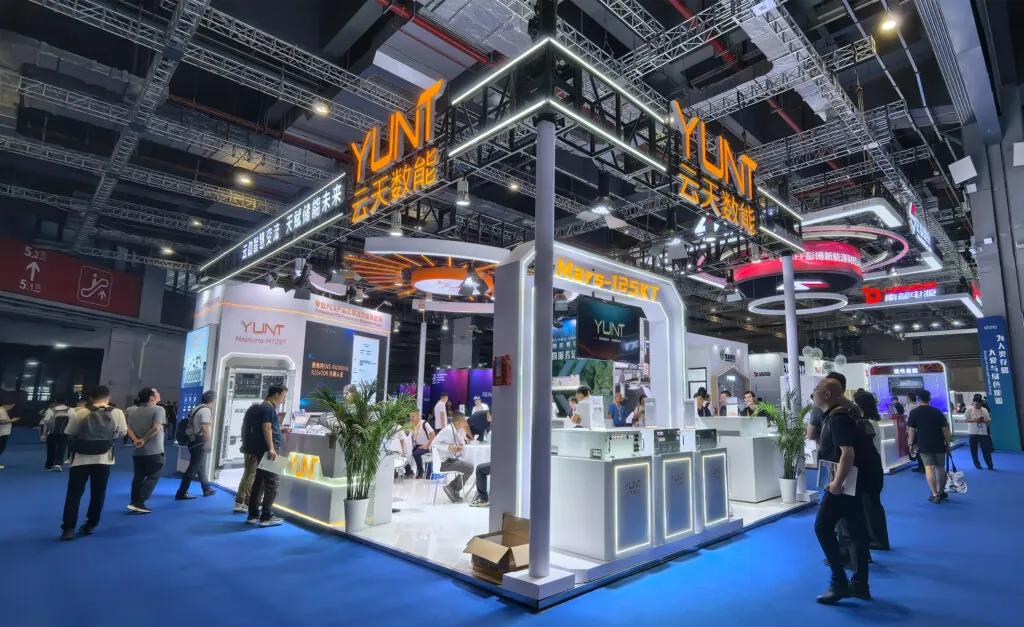
Use the same record for each candidate. This prevents a broad company description from being compared with a model-specific specification. The page describes YUNT Power as focusing on modular PCS, microgrid inverters, and bidirectional DCDC/MPPT modules for commercial and industrial, residential, and grid-side applications. That is useful category context, while the individual model descriptions provide the narrower evidence needed for technical screening.
Prepare a focused sourcing brief
A useful sourcing brief should state the application, the device role, the desired power band, the required operating modes, and the available installation space. It should also identify which statements came directly from a product description and which are design requirements. This format gives suppliers a defined question instead of a general request for an energy storage inverter.
Keep claims easy to audit. If a page lists a range, reproduce that range with the relevant model. If it lists PQ, VF, or VSG modes, record those modes without assuming that other models share them. If it describes a module as operating alongside an inverter, preserve that relationship. A disciplined brief narrows the next discussion while avoiding conclusions that the available evidence cannot support.
For early model-fit research, the strongest comparison is not the longest one. It is the one that separates product category, application role, stated specifications, and unresolved interfaces. Use that structure to guide the next technical conversation, and treat YUNT as one evidence source within that focused review rather than as a reason to skip the engineering questions.
- State the intended function: DC-side control, bidirectional DC-AC conversion, or management of multiple power sources.
- Match the product-specific power range and operating modes to the design question without transferring them to other models.
- Record whether the description covers a module operating alongside an inverter or a larger inverter system.
- Separate page-listed details from unresolved interface and installation questions in the sourcing brief.