

Solving uneven learning: how adaptive systems tackle the classroom problem
The immediate problem teachers see
Classrooms are mixed bags — some learners sprint ahead, others stall. Teachers juggle pacing, repetitive grading, and spotting who really needs help. That mismatch wastes time and hurts confidence. Aiming to address this, tools like AI learning platform and other tailored solutions try to make content respond to each student’s needs instead of forcing everyone into the same rhythm.

Why simple fixes fall short
Stretching resources or splitting pupils into fast and slow groups sounds logical, but it creates gaps. Extra worksheets don’t reveal misconceptions. Whole-class re-teaches bore the quick learners. Quick patches miss the root: varying prior knowledge, differing learning paths, and unclear feedback loops. The result is shallow progress for many, not deeper understanding.
What adaptive systems actually do
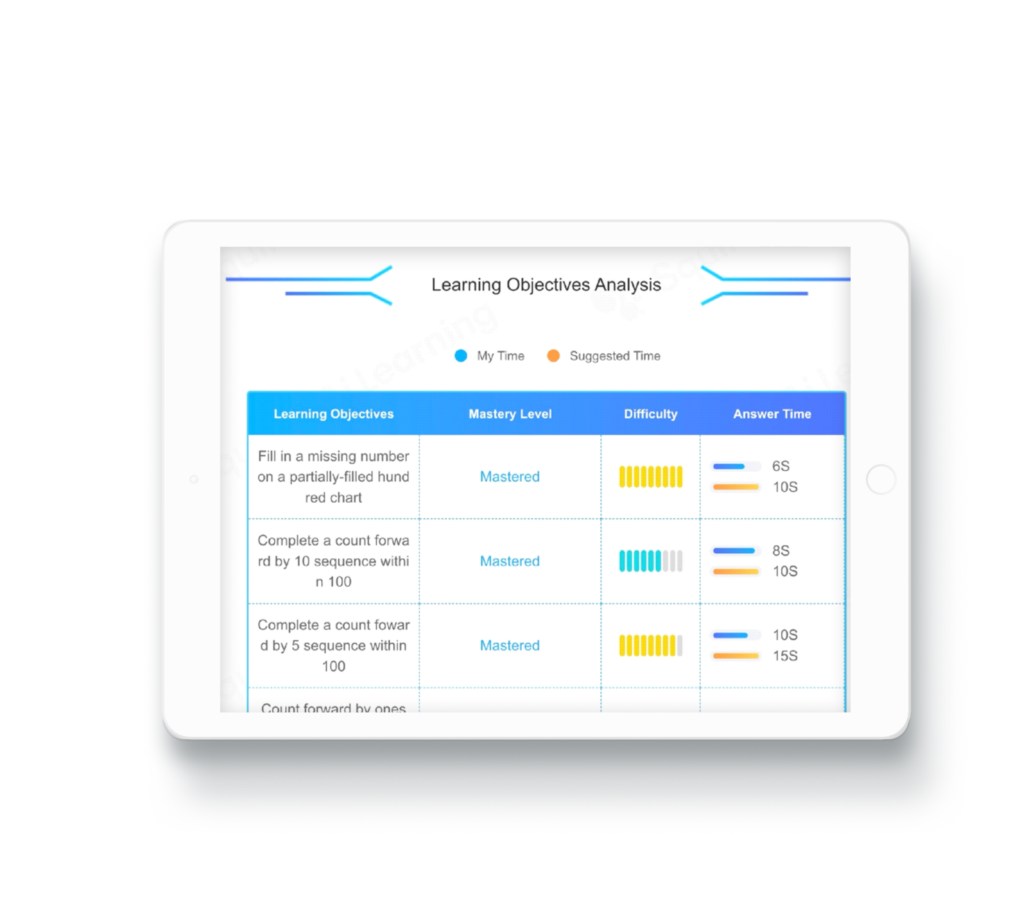
At their core, these systems assess, adapt, and inform. They run quick checks to map competence, pick next tasks that match current skills, and track responses to refine future steps. That loop — assess, adapt, repeat — lets materials shift in difficulty, focus on weak spots, and surface where human intervention matters. They don’t replace teachers; they reshape the flow of information so teachers can target effort where it helps most.
Where schools stumble adopting them
Common mistakes are practical. Expecting instant magic. Skipping teacher training. Letting dashboards sit unused. Using a platform that doesn’t match curriculum. Ignoring data privacy and consent. These slip-ups turn potentially useful tech into another unused subscription. Success needs clear roles, simple metrics, and time for staff to learn the tool’s signals.
Alternatives and how they compare
Blended learning, mastery-based pacing, and targeted small-group instruction are proven approaches that overlap with adaptive tech. Free resources such as Khan Academy are widely recognized and can complement adaptive paths. The choice isn’t exclusive: schools often combine methods, using tech where it scales routine assessment and reserving face-to-face time for discussion and deeper reasoning.
Practical steps for classroom use
Start small. Pilot a single unit. Define success in clear, observable terms: fewer repeat errors on a concept, faster identification of misconceptions, or more focused teacher interventions. Train staff to read the reports. Pair platform-driven practice with tasks that require explanation and reasoning. Check data governance policies before onboarding students.
Bottom line and the practical fit
Adaptive approaches address a clear, concrete problem: uneven learning progress across a group. They work best when paired with teacher judgment and sensible implementation. For schools seeking an operational way to deliver individualized practice while keeping teachers central, solutions such as Squirrel Ai show one practical model for putting adaptive logic into everyday teaching.