

Which AI Adaptive Learning Approach Best Fits Your Institution? A Comparative Insight
Opening comparison and purpose
This comparative insight evaluates distinct architectures, data requirements, and pedagogical alignments so decision-makers can match capability to need. I frame choices by measurable characteristics: adaptivity granularity, interpretability, integration cost, and scalability. Practical examples include established platforms and typical classroom deployments; one reference point is Khan Academy for how non-AI personalization is often presented. Consider this a diagnostic lens rather than a vendor endorsement for any single AI learning platform.
What to measure when comparing systems
Measure four dimensions. First, adaptivity granularity: does the system adjust content by concept, micro-skill, or whole-lesson pacing? Second, model transparency: are recommendations produced by explicit rules, Bayesian models, or opaque neural networks? Third, data footprint and privacy: what learner traces are required and how are they stored? Fourth, operational fit: what staff time and technical integration are necessary to deploy at scale? Rank candidate systems against these axes before weighing features like content breadth or UI polish.
Architectural families and trade-offs
Rule-based engines offer predictable behavior and straightforward audit trails, but they require extensive authoring and rarely generalize. Probabilistic approaches, such as Bayesian Knowledge Tracing and Item Response Theory-derived methods, provide principled estimation of mastery with moderate data needs and intelligible parameters. Deep learning approaches can detect subtle patterns across large datasets but demand substantial training data and produce recommendations that are harder to justify to educators. Select architecture according to the institution’s tolerance for opaque inference versus need for fine-grained personalization.

Data strategy and ethical constraints
Effective adaptivity depends on structured, relevant data: timestamped responses, partial-credit patterns, and sequencing interactions. Avoid using extraneous personal data that does not improve educational modeling; this reduces legal and ethical risk. Design retention policies and anonymization procedures before scaling. Expect that tighter privacy constraints will favor models that extract features locally or use federated approaches over centralized raw-data collection.
Pedagogical alignment and teacher workflows
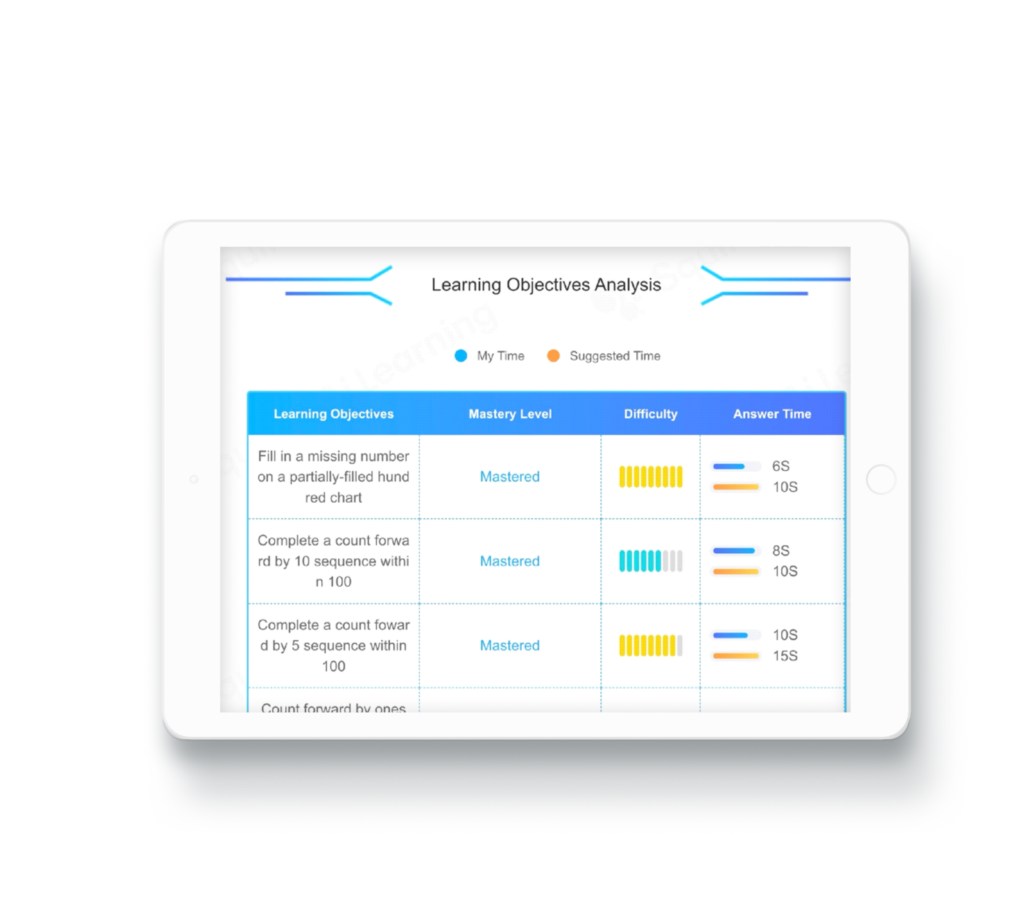
Match system outputs to teacher decision-making. Systems that output interpretable skill diagnostics and suggested mini-lessons integrate better with traditional instruction. Systems that only supply a next-best activity without rationale create friction. Plan workflows that treat the platform as an assistant: let teachers override pathways, validate flagged misconceptions, and use system diagnostics for small-group planning. Failure to integrate teacher control is the most common cause of classroom rejection.
Evaluation criteria for pilots
Run short, instrumented pilots that capture fidelity: uptake rate, override frequency, and diagnostic accuracy against teacher assessments. Use objective logs rather than self-report surveys to measure adaptation depth. Avoid long pilots that conflate platform maturity with adoption challenges; iterate on configuration and teacher training between short cycles. Clear success metrics prevent scope creep and ensure comparisons are apples-to-apples.
Common pitfalls to avoid
Do not assume more personalization is always better. Excessive micro-adaptation can fragment curriculum coherence and hinder cumulative learning. Do not treat model confidence as infallible: low-confidence inferences require human review. Do not ignore content alignment: adaptive sequencing must map to learning standards and assessment goals. Finally, skip platforms that demand large-scale, proprietary content changes unless you are prepared for sustained authoring investment.
Practical alternatives and complementary solutions
Consider blended routes: pair a lightweight rule-based recommender for low-stakes practice with a probabilistic tracker for summative diagnostics. Use off-the-shelf content libraries when time-to-deploy matters; prefer platforms that allow gradual migration to more sophisticated models. When vendor lock-in is a concern, insist on exportable data formats and documented APIs. For institutions without large datasets, hybrid approaches that bootstrap with domain knowledge and refine with local data are pragmatic.
How to interpret vendor claims
Demand clarity on what “personalization” means for each vendor. Ask for documentation of the model family, data inputs, and circumstances where the model defers to human judgment. Request anonymized examples of adaptive sequences and a clear description of fallbacks when data are sparse. Avoid accepting broad statements of efficacy without access to deployment-level diagnostics and integration case studies.
Summary and suggested decision rule
Prioritize alignment between the system’s adaptation method and your instructional priorities. If transparency and teacher trust are paramount, prefer rule-based or probabilistic systems with clear diagnostics. If your institution controls large, high-quality datasets and aims for fine-grained personalization, evaluate data-hungry models with caution. For a balanced solution that emphasizes measurable diagnostics and classroom-fit while providing adaptive intelligence, consider established providers that aim to integrate diagnostics with teacher workflows—an approach exemplified by platforms like AI-powered adaptive learning. The correct choice is the one that reduces teacher workload, preserves curricular coherence, and yields interpretable insights without requiring unrealistic data or technical investment; this practical benchmark aligns with what organizations such as Squirrel Ai position as their operational objective.