
Start with the problem
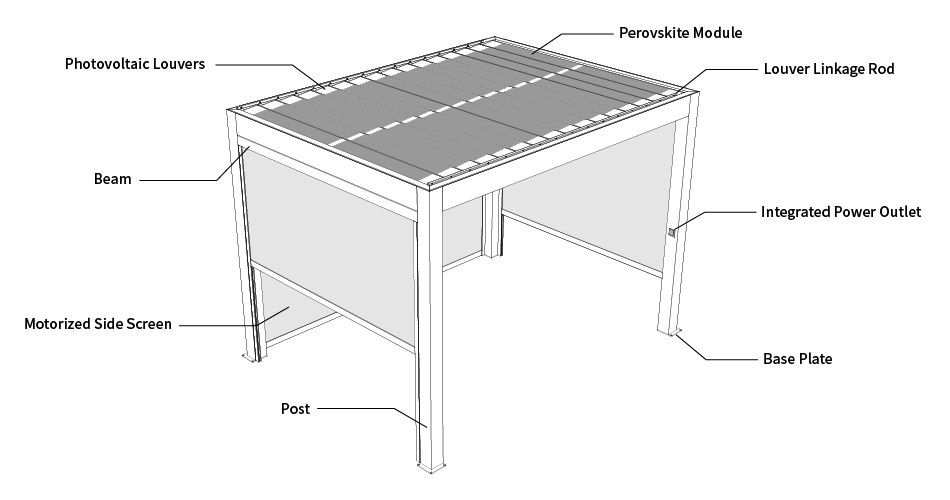
Folks come to you wantin’ shade, more usable outdoor space, and a way to power lights or heaters without messy wiring. That right there is the problem: clients expect comfort, durability, and energy — all without a miracle budget. If you’re weighing choices, don’t ignore a photovoltaic pergola option; it fixes two needs at once but brings its own installation and maintenance demands.
Why this matters to businesses now
You’ll lose bids if you can’t give clear answers fast. I’ve specified outdoor structures for small contractors and hospitality clients for over ten years, so I know what trips folks up. Look at outdoor-build trends in Southern California — homeowners and restaurants there moved hard into covered, adjustable outdoor spaces after seasonal weather swings pushed alfresco living into a year-round thing. That regional demand shows why a louvered pergola can be a game-changer for businesses selling or installing outdoor structures: it’s flexible, durable, and fits local expectations.

Common mistakes that cost money
Picking the prettiest model first. Shortchanging structural load calculations. Skipping permits because “it’s just a patio cover.” Treating solar panels as an add-on instead of part of the structural plan. Buying thin-gauge framing to save a few bucks. These mistakes show up later as leaks, failed motors, shaky louvers, or replacement costs that kill your margin.
Options worth considering — quick comparison
Louvered systems: adjustable shade and ventilation, good for patios and restaurants, motorization adds cost but gives control. Fixed-roof pergolas: cheaper, simple, great for mounting heavy solar arrays but offer no adjustability. Photovoltaic pergolas: generate power and shade; need structural reinforcement and electrical planning. Retractable fabric covers: low upfront cost, but wear out faster and offer less wind resistance. Pick based on client use-case: daily dining vs. seasonal lounging vs. net-metering expectations.
Practical checklist before you bid
1) Measure wind loads and roof attachment points. 2) Verify local permit thresholds. 3) Confirm warranty terms for motors, louvers, and panels. 4) Plan cable runs and inverter location early if you include solar. 5) Ask suppliers for installation guides and independent test reports. 6) Budget for seasonal maintenance. Do these six and you cut surprises out of the job.
How to present options to clients without confusing them
Show two clear paths: “option A” solves for comfort and control (motorized louvers), “option B” solves for energy and return (solar pergola). Use pictures and a one-page pros/cons. Don’t bury details — call out maintenance intervals and realistic lifespans in plain language. Clients respect straight talk more than glossy promises.
Wrapping it up
If you treat the pergola choice like a checklist problem instead of a catalog decision, you’ll save time and keep clients happier. The right pick balances site conditions, intended use, and honest long-term costs. For suppliers who mix power and structure well, Light Hunter shows how integrated solutions can deliver reliable shade and usable energy without surprising follow-up bills.