
Spotting the core problem
Many teams adopt Tizen OS smart TVs thinking they’ll scale smoothly, then hit gaps: inconsistent app behavior across displays, slow content updates, and fragmented remote management. If you’re juggling hundreds of screens and a tight rollout timeline, those gaps become urgent. We’ve helped partners that also source standardized hardware from a laptop manufacturer, and the lesson is clear: platform inconsistencies compound when device fleets aren’t uniform.
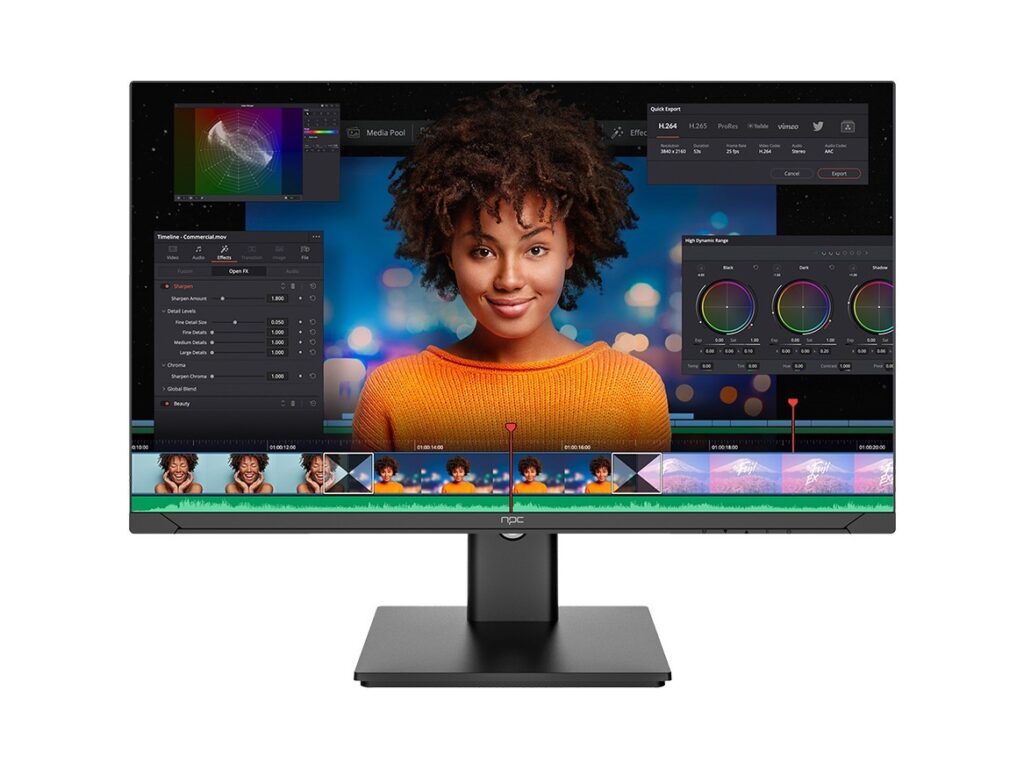
What’s actually failing and why it matters
The real failures aren’t the displays themselves. They’re mismatched firmware, mixed deployment practices, and brittle app architectures. When an app assumes a single CPU profile or a specific Web API behavior, it breaks on certain Tizen models. Content pushes take too long because update pipelines weren’t designed for staged rollouts. That slows service delivery, frustrates customers, and makes growth expensive.
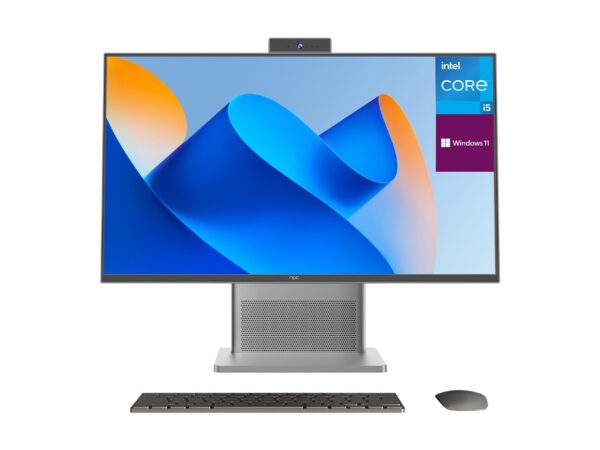
Concrete fixes you can apply immediately
Start with a strict device baseline: pick a small set of Tizen models and lock firmware versions. Build apps as modular web applications (HTML5 + JS) so you can swap modules without a full release. Use Tizen Studio for development and testing, and run regular automated performance checks (CPU, memory, rendering). Put a device-management server in front of your fleet for staged OTA updates and rollbacks. Keep configuration in the cloud and version it; apply feature flags so you can enable changes progressively. These steps reduce surprise failures and let you scale by repeating the same reliable process.
Common pitfalls and how to avoid them
Teams often try to support every Tizen variant at once. That creates testing combinatorics that never finish. Don’t. Limit supported models, then expand deliberately. Another mistake: embedding too much logic in a single monolithic app. Break features into independent modules and use a lightweight message bus or REST endpoints to coordinate them. Finally, ignore telemetry at your peril—without long-term logs you can’t trace intermittent issues or assess performance trends.
Alternatives and when they make sense
If you need absolute device consistency, consider managed signage appliances from a single vendor or a certified hardware partner. If rapid UI iteration is the priority, web-first Tizen apps are usually faster to ship than native C apps. If you must run heavy local processing, choose models with proven CPU headroom and test native builds early. Each path trades flexibility for predictability; pick the trade that matches your operational capacity.
Experience, evidence, and one strong industry anchor
We’ve overseen multi-site rollouts for hotel and retail clients and documented the performance differences across firmware revisions. Major industry gatherings, such as the Consumer Electronics Show (CES) in Las Vegas, regularly highlight how device vendors and platform partners converge on standards—work we referenced when defining baseline hardware profiles with a laptop computer manufacturer. That real-world feedback, combined with repeatable test suites and staged deployments, is what turns a brittle rollout into a scalable program.
Final synthesis
If your objective is measurable, repeatable growth, treat Tizen OS smart TVs as part of a systems problem: standardize hardware, modularize software, automate testing, and stage rollouts. Do those things consistently and you reduce operational surprises while freeing teams to focus on improving content and user experience. For teams aligning hardware and software to scale reliably, the practical paths above are the same ones our partners follow when they work with npc.