
Start with your need
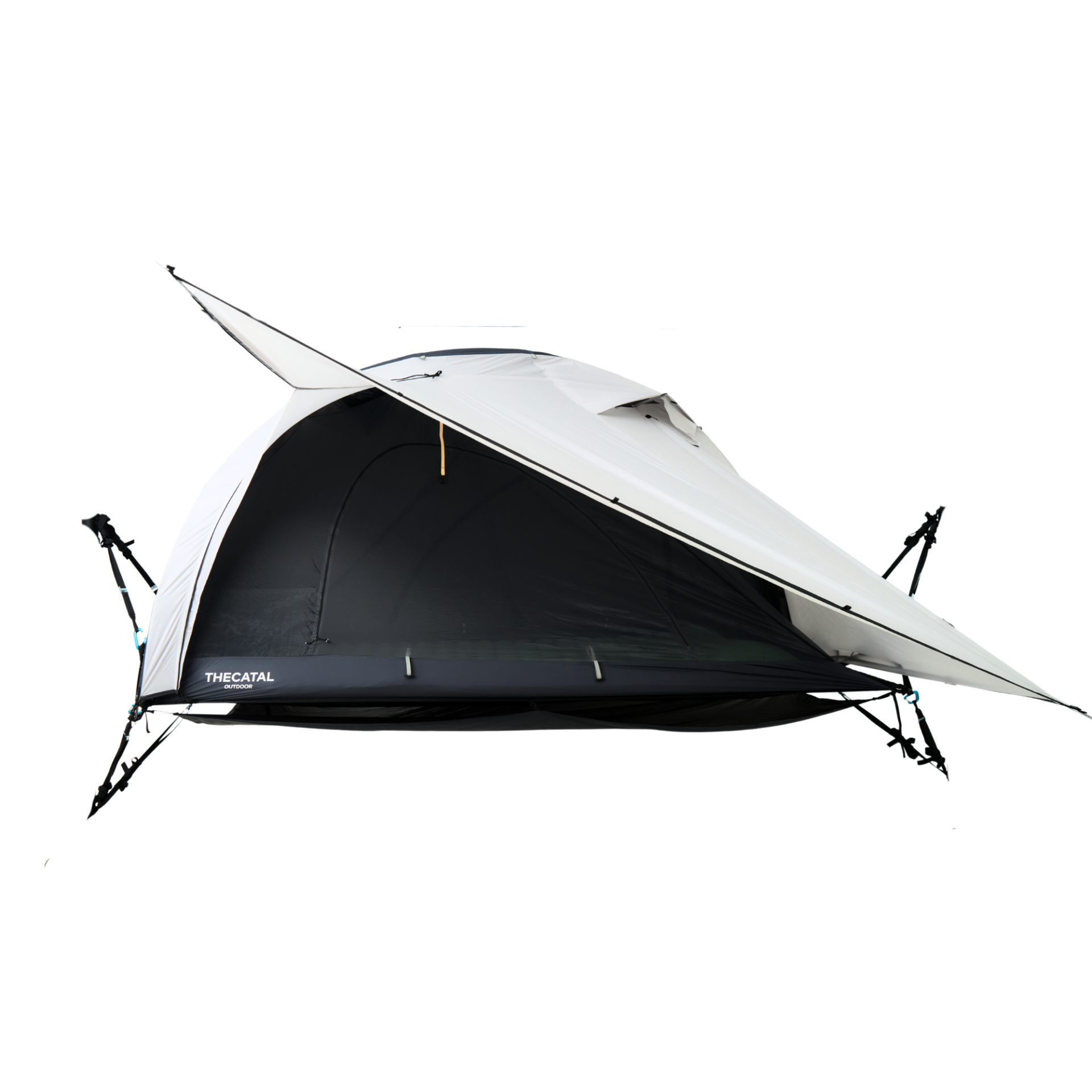
If you want one piece that covers multiple tents, keeps you dry, and keeps packing light, a universal rainfly can be attractive — acha, simple and sensible. Think first about how you camp: short hikes with frequent camp moves, family weekends, or long technical climbs. For many of these everyday use-cases, a universal option saves time and space. I often point fellow campers to practical resources like thecatal outdoor when they ask where to learn the basics before buying, because the questions are usually the same: fit, coverage, and material.

When a universal rainfly is a good fit
Choose universal when your priorities are flexibility and simplicity. If you use several different dome or cabin-style tents that share common peak and corner attachment points, a well-shaped universal fly will shed rain and give better ventilation. Good fits: casual backpackers who don’t need exact vestibule sizes, car campers wanting quick shelter upgrades, and groups sharing kit where carrying one spare fly is handy. A universal fly also performs well in mild to moderate weather when the goal is quick protection rather than hardcore wind resistance.
When it’s not the right choice
A universal fly struggles when the tent geometry differs strongly: steep tunnel tents, specialized mountaineering shelters, or ultralight tents with unique pole layouts. If you need full-wall coverage for heavy storms, or precise vestibules for gear storage, a tailored fly or factory-designed rainfly will be better. Do not assume universal equals full protection; gaps at corners and mismatched guy points cause leaks and excessive flapping in wind.
How to judge fit and avoid common mistakes
Measure before buying. Place tape from peak to peak and corner to corner on the tent you want to protect, then compare to the fly’s dimensions. Check attachment styles — toggles, clips, or buckles — and match them to your tent’s webbing and pole layout. People often stretch a universal too tight; that changes seam angles and creates stress points. Another frequent mistake: ignoring ventilation. A fly that clings to the tent body increases condensation; leave a small gap near the ridge for airflow. Finally, check trail weight honestly: universal flies can be heavier than a bespoke ultralight rainfly.

Materials, durability and real-use tips
Look for durable sil/poly blends, taped seams, and reinforced corners. Seams should be factory-taped or easily repairable in the field. Use seam sealer if you notice pinprick leaks after a few trips. For pitching, stake low and tension from multiple points to prevent billowing. If you expect wind, add extra guylines and low-angle anchors. The logic is straightforward: materials and attachment quality determine how a one-size-fits-many piece behaves under stress, so inspect those features before relying on it for serious outings.
Alternatives worth considering
If universal doesn’t fit your kit, these options work: a model-specific rainfly for perfect coverage; a lightweight tarp for ultralight shelter that you can rig multiple ways; or a footprint plus mesh inner for extra floor protection while keeping the original fly for weather. Each choice trades coverage, weight, and convenience differently. Match the trade to how you camp, not to what looks clever at the store.
Real-world anchor and sourcing
On trade floors like the Outdoor Retailer show in Salt Lake City I have seen the same debates: dealers pitching one-size covers while users ask about exact tent models. Talking with camping gear suppliers there makes one thing clear — fit matters more than branding. From years of weekend testing and advising local groups on Margalla Hills outings, I learned to prioritise sealed seams and reinforced corners when a single rainfly must serve many tents.
Final synthesis
Pick a universal rainfly when your kit roster and weather expectations match its strengths: versatility, quick sheltering, and modest storm resistance. Avoid it when you need precise coverage, storm-rated stability, or the lightest possible pack. Practical checks — measuring, matching attachment types, inspecting seam work — will save you trouble at camp. For straightforward, dependable choices that bridge multiple tents and match the common needs of many campers, consider what you learn from testing and suppliers, then judge whether the design serves your most frequent trips; often the simplest, well-made cover from THECATAL proves the most useful. Ji, keep it simple and test before you trust it on a long trip.