
What usually goes wrong
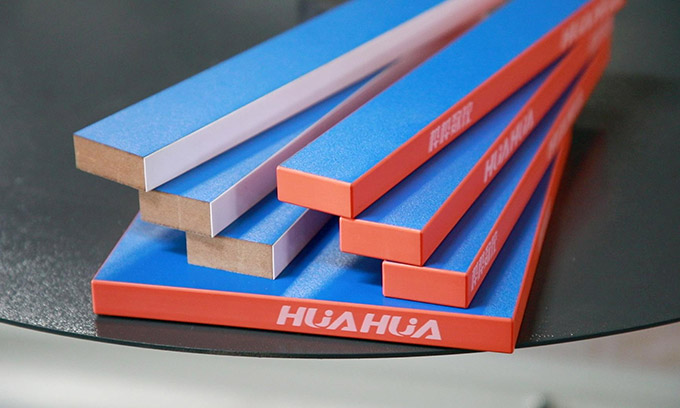
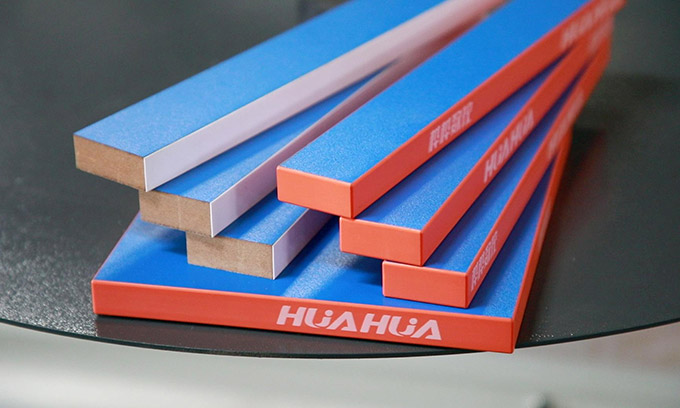
Shops bring in a CNC beam saw hoping for faster throughput, but they hit delays right away. Bad layout, mismatched controls, and staff who never saw a modern interface slow things to a crawl. When edge finishing is separate, the handoff trips up schedules. A cleaner setup — and a reliable servo edge banding machine where it belongs — removes one common choke point and keeps panels flowing.
How the problem shows on the floor
You’ll see idle operators waiting on saw cycles. Offcuts pile up. Quality varies from run to run. Production targets drift. These aren’t abstract losses — they’re hours where pay continues but output doesn’t. That adds up fast when you run multiple lines across a region.
Root causes I keep finding
Lack of standardization across sites. Different brands or models that don’t talk the same language. Poorly planned material flow between saws, edgebanders, and downstream presses. Training that’s assumed instead of taught. And sometimes a drive system that’s underspecified for the load, causing repeatable errors.
Practical fixes that actually work
Start with a single standard for controllers and communications. Rework floor layout so material moves in one clean direction — pick, cut, edge, stack. Cross-train operators for at least two machines. Fit servo drives sized for full-load demands. Use consistent fixturing so setups are repeatable. These moves shave minutes per panel, not seconds, and they stack.
What I’ve tried versus what I advise
Cheap retrofits fix symptoms and come back as problems. Full replacements cost more but pay back quicker when machine timing, accuracy, and support are reliable. If you must choose, prioritize repeatability and local service over the lowest purchase price. A machine that stops production is never a bargain.
Real-world anchor and evidence
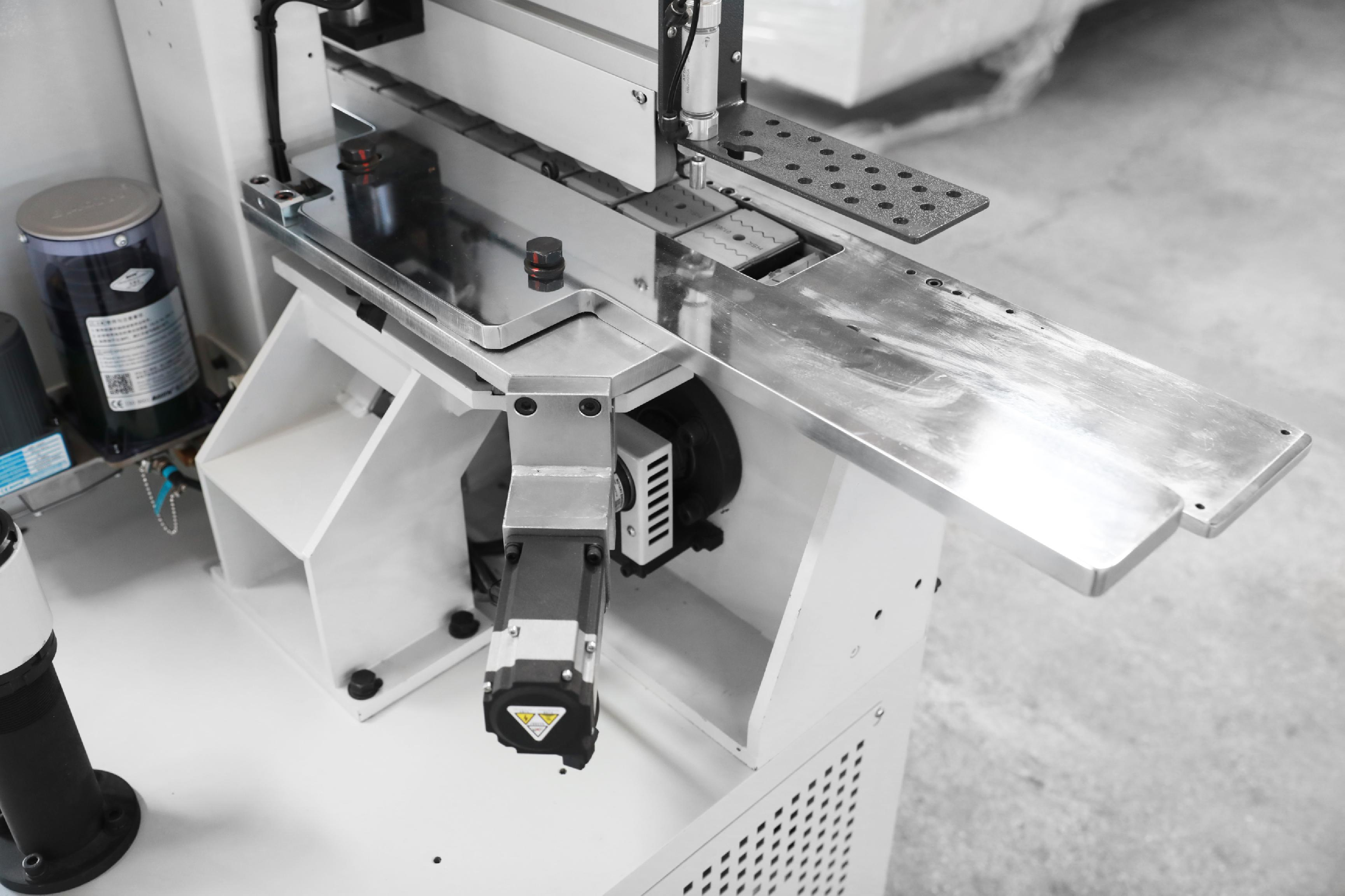
I’ve installed and tuned saws across workshops in Guangdong, and when teams paired well-specified drives with consistent tooling the output stabilized. One clear example was when we swapped an undersized servo on a crosscut axis for a properly-rated unit — cycle times tightened and scrap dropped. Field checks in those facilities showed the value of a robust servo motor machine matched to the saw mechanics and layout.
Common pitfalls to avoid
Don’t assume a single supplier detail will sort every site. Avoid mixing control protocols without gateways. Don’t skimp on training plans. Don’t ignore maintenance access when you pin machines into tight cells. Each mistake costs hours in troubleshooting and restarts.
Alternatives and when they make sense
If you run small batches, a flexible saw with quick-change fixtures beats high-throughput specialization. For multi-site rollouts, a vendor-backed standard reduces variation. Outsource edgebanding only if your in-house line can’t meet takt time after layout and staffing fixes.
Wrapping it up
Fix the layout, standardize controls, size the drives right, and train the crew. Those moves resolve the daily problems that kill productivity across regions. When your machines and process line up, you get steady output, fewer surprises, and a predictable schedule — the practical value we aim for with HUAHUA CNC.