
Introduction
Here’s the scene: a hotel lobby retrofit needs bright, calm light by Friday, and every watt counts. A pendant light company has to match code, aesthetics, and long-term cost with no room for error. Site audits show up to 18% loss from poor power factor, plus color shifts when CRI drops below 80—details that change how guests feel and how staff work. So the question is simple: which fixtures hold their specs in real use, not just on a datasheet? (And which fail under heat?) We’ll compare drivers, optics, and thermal paths with a clinical eye—yet keep it practical.
Let’s move from claims to a clear, testable checklist.
The Deeper Layer: Why Acrylic LED Pendants Win—or Fail in Silence
Why do legacy options still fail?
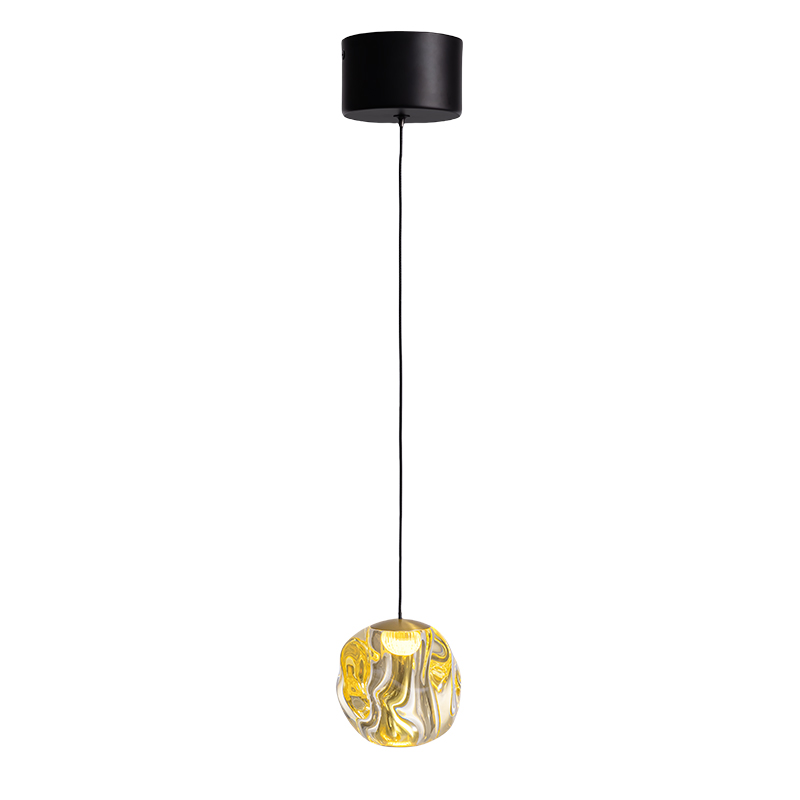
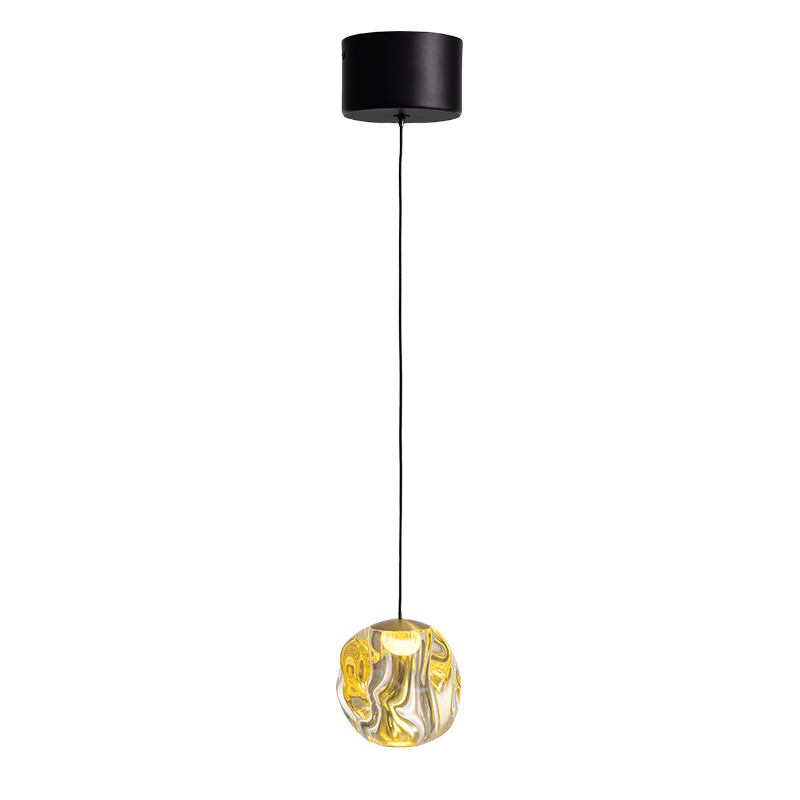
The bottleneck in an acrylic led pendant light is not the shade—it’s the driver and the heat. If the constant-current driver runs hot or uses shallow filtering, the flicker index rises and eyes get tired fast. That is why PWM dimming must be clean, and power factor must stay near 0.9 or higher. Older pendants often bury the driver with no airflow. Output sags. CCT drifts. CRI dips below plan—funny how that works, right? Look, it’s simpler than you think: check thermal management first, optics second, electronics third. Good optics spread light, but only stable drivers keep it true at L70 and beyond.
Hidden pain points stack up on-site. Glare sneaks in when the optical diffuser is thin or poorly mated to the LED board. Uneven seams in the acrylic can create bright rings. Tech teams blame the room; it’s often the interface between LED board and heat sink. Another quiet culprit is surge events: without basic surge protection, the driver degrades, and dim-to-warm curves go jagged. Maintenance then swaps parts, not causes. The fix is boring and effective—rated drivers, a real thermal pad, and verifiable photometrics at 0°, 45°, and 90°. That is how a pendant stays calm over time.
Forward-Looking Compare: Principles That Make Next-Gen Pendants Stick
What’s Next
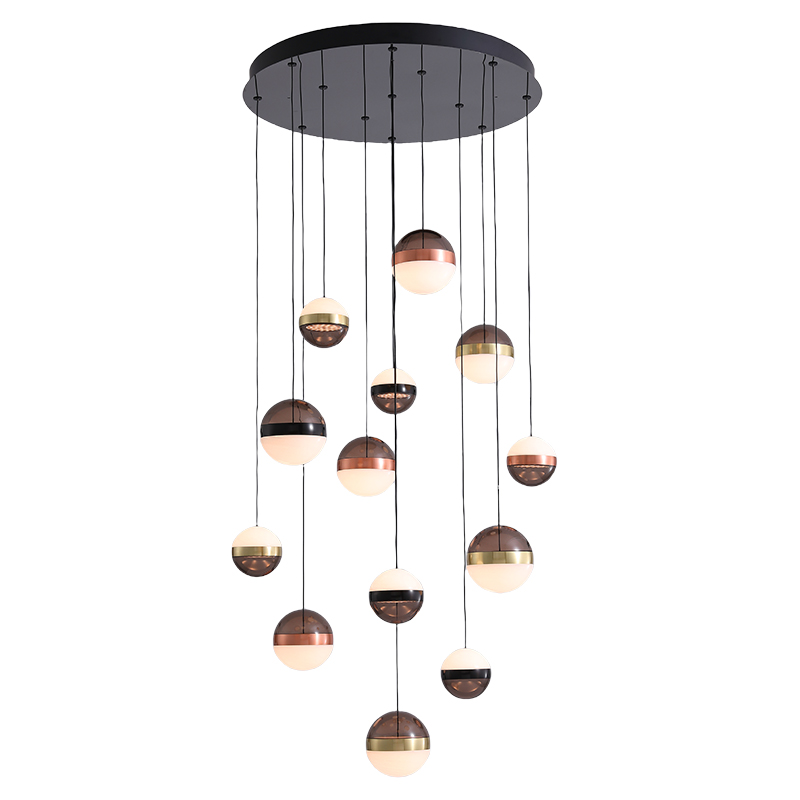
New builds now pair high-CRI arrays with low-ripple drivers and smarter thermal stacks. Here is the core principle: reduce junction temperature, and color stays stable; clean the driver output, and eyes stay relaxed. Against older kits, next-gen pendants use thicker aluminum cores, better TIM interfaces, and lens-grade acrylic that resists yellowing. When you procure wholesale pendant lights, ask how the optical cavity is vented—no airflow, no stability. Compare not by lumen peak alone, but by lumen maintenance, flicker index, and off-axis uniformity. A small change in heat path can save 10–15% output over year one—small on paper, big in a lobby.
From pilot sites, one pattern repeats—stable drivers cut complaints more than any décor change does. We found that a 3000K pendant with a 90+ CRI and 0.95 power factor looked “warmer” and clearer than a 4000K unit with poor filtering—funny how that works, right? To choose well, use three metrics: 1) Driver quality under heat: sustained output and low ripple at 230V/277V. 2) Optics and diffuser: uniformity at the edges, no banding, verified at multiple angles. 3) Thermal performance: junction temps below spec with room to spare and disclosed L70 data. Keep those three, and comparisons become simple. Knowledge first, fixtures second. kinglong