
The obvious problem you wish would stop
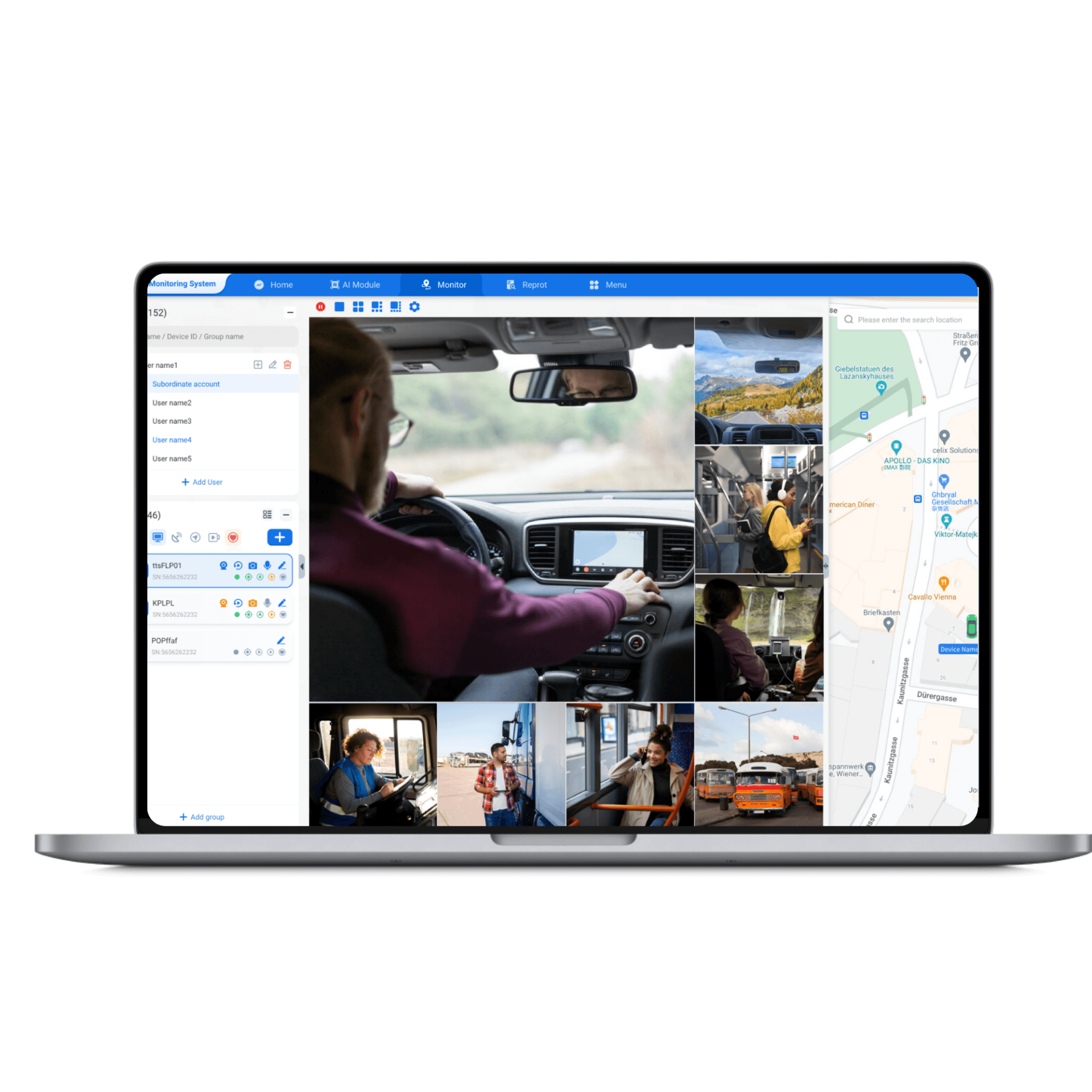
Your trucks show up late, drivers burn fuel circling for the next job, and compliance paperwork grows like a weed. That constant leak of time and money is the real problem—technology often promises fixes but lands as another spreadsheet nightmare. Start by looking at the core: GPS alone isn’t the cure; you need a coherent fleet management solution that ties tracking to driver behavior and reporting so decisions actually get made, not just logged.

Why this keeps happening (short version)
Most fleets face the same root causes:- Fragmented data: GPS, fuel cards, and dispatch notes live in separate silos.- Blindspots in driver management: incentives and coaching are inconsistent.- Reports that don’t answer questions: executives get charts, not actions.You can feel confident addressing these once you accept the problem: disconnected inputs create wasted outputs.
What to require from a practical fix
Stop chasing vendors; start demanding features that fix real problems:- Reliable GPS plus geofence events so you stop guessing arrival times.- Driver scorecards that tie behavior to concrete coaching steps.- Automated exception reporting so your team handles only true priorities.This is the core of effective smart fleet management: data that triggers specific actions, not endless dashboards you ignore.
Pitfalls that make good systems fail
Even strong tech fails if you trip over these mistakes:- Installing hardware without a rollout plan for drivers.- Treating reporting as optional; it must be embedded in daily ops.- Over-customizing early; complexity kills adoption.Address these up front: train drivers, define two mandatory reports, and launch minimal viable workflows before adding bells and whistles.
A practical checklist to evaluate vendors
Use this when vetting systems—say yes to the ones that hit all five:- Does GPS update in under 10 seconds during trips?- Can you assign and track driver corrective steps from the same console?- Are reports exportable and scheduled automatically?- Is the system tested in heavy urban traffic (real-world stress test)?- Do they provide clear SLAs for uptime and support?If a vendor dodges these, move on.
A quick reality check from shipping lanes
Major ports show the stakes: when the Port of Los Angeles tightened vessel and truck windows, on-time throughput improved because operators coordinated arrival data with driver assignments. That’s a simple proof: better coordination beats raw visibility every time.

How to start fixing this next week
Pick one measurable leak—idle time, missed ETAs, or fuel variance. Run a two-week pilot that pairs GPS tracking with one driver-management rule and one report. Measure the change, tweak, then expand. This approach turns abstract tech into concrete change: fewer exceptions, cleaner reports, and drivers who know exactly what success looks like.
Wrap-up that matters
Stop treating tracking as a gadget and start treating it as the backbone of daily decisions. The right combination of timely GPS data, focused driver management, and concise reporting closes the gaps that actually cost you money. After testing and small, measurable rollouts, you’ll see systems that behave like teammates rather than boxes of unread logs—an approach proven enough that teams working with BSJ often move from noisy data to steady performance without overcomplicating operations.