
Quick setup — who this is for
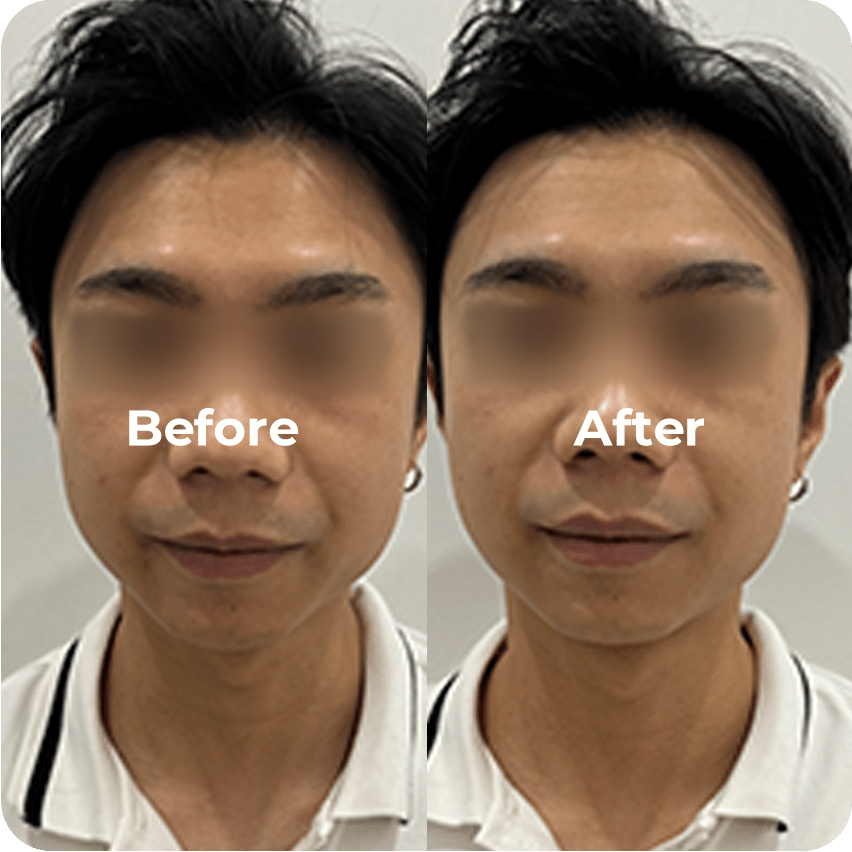
If you run a clinic, manage a laser room, or shop for an entry-level aesthetic rig, this is written for you — no fluff, just the tradecraft. I’ll walk you through why pulse timing and wavelength choices change outcomes, what to expect on the treatment chair, and which specs actually matter when you compare a q switched nd yag laser machine to the rest of the fleet. Expect terms like pulse duration, fluence, and spot size — they’re useful shorthand, not intimidation.
Why thermal relaxation time and wavelength actually matter
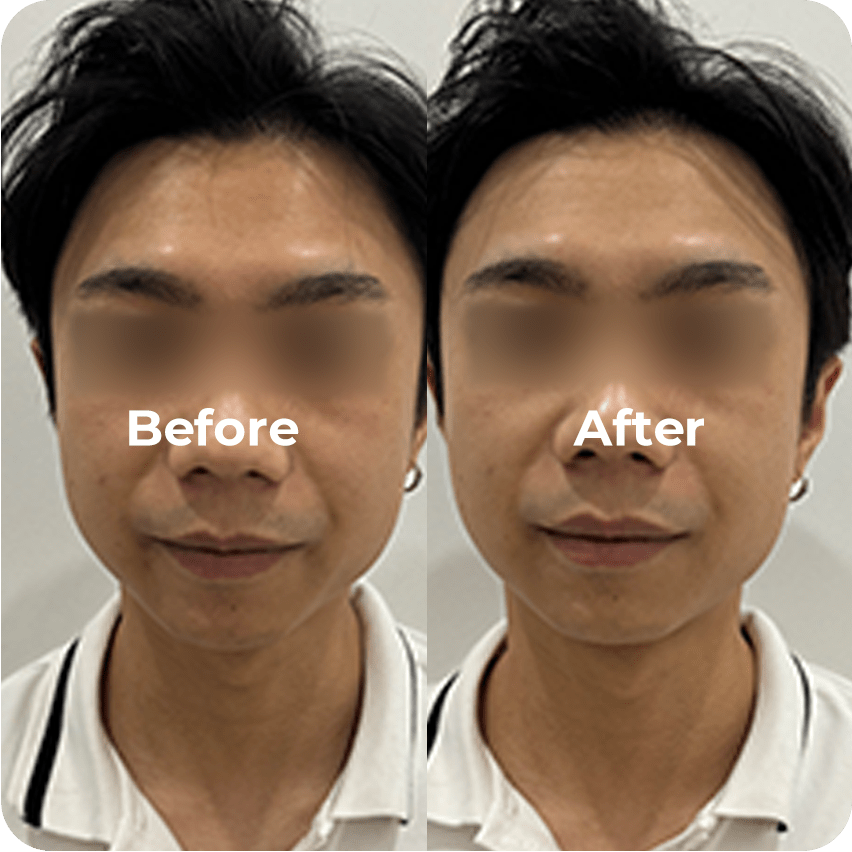
Thermal relaxation time (TRT) is the core physics cheat-code: it’s how long a target (ink particle, melanosome) takes to cool after a laser hit. Hit too slowly and you burn surrounding tissue; hit too fast and you under-deliver energy to the target. Q-switching delivers very short pulse durations that exploit TRT for small, photothermal and photoacoustic effects. Wavelength is the aim: 1064 nm penetrates deeper and targets dark pigments with less epidermal absorption; 532 nm sits shallower and lights up red and orange chromophores. In practice, that means picking the right combo of wavelength, pulse duration, and fluence for your indication — tattoo removal, nevus, or pigmented lesion.
Hands-on tradeoffs clinics care about
Let’s break the real-world tradeoffs down, the way an operator thinks on a busy day:
- Efficacy vs. downtime: Higher fluence and optimal spot size usually clear ink faster, but increased risk of blistering and downtime.
- Versatility vs. complexity: Dual-wavelength systems (1064/532 nm) cover more lesions but need more calibration and operator skill.
- Throughput vs. patient comfort: Larger spot sizes speed up sessions but can demand higher energy to keep per‑cm² fluence — which can hurt more.
- Service and consumables: Look at diode life, flashlamp cycles, and vendor support — these hit your OPEX hard.
Real-world anchor: Q-switched Nd:YAG systems have been a staple in dermatology clinics from New York to Seoul since the early 2000s for tattoo removal and pigmented lesion work — so vendors and techs have had time to learn what works and what doesn’t.
Common mistakes operators make — and fixes
Operators often assume “more energy = faster results.” Not true. Common pitfalls and fixes:
- Over‑fluent sessions: Cranks burn risk. Fix: titrate fluence based on spot size and tissue response, document test spots.
- Wrong spot-size choice: Small spots over-treat depth, big spots under-treat dense ink. Fix: standardize spot-size choices per indication.
- Ignoring pulse duration / Q-switch behavior: Not all “Q-switched” pulses are equal. Fix: get waveform specs from vendors and request third‑party service logs.
Also — don’t skimp on first-article tests with your exact pigmented targets and your filler/aftercare protocols. A lab spec sheet isn’t the same as the patient chair.
How the q-switched Nd:YAG stacks against alternatives
Quick comparative map:
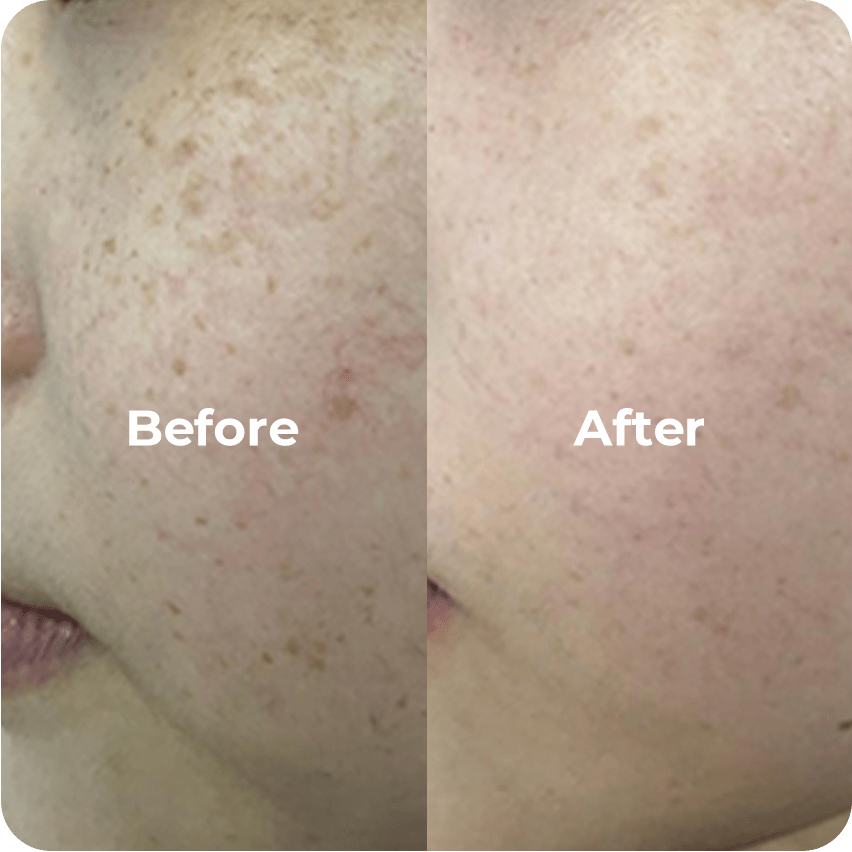
- Q‑switched Nd:YAG: Proven for darker inks and deeper lesions; reliable, widely supported; lower per-session cost vs. pico on some cases.
- Pico-second lasers: Higher peak power, different photoacoustic effect; can reduce sessions on certain inks but come with higher capex.
- Fractional/ablative options: Better for resurfacing and textural work — not a tattoo specialist’s tool.
If you’re shopping, try a side‑by‑side test: the same tattoo, same operator, compare how many passes and sessions each device needs. That’s the data that matters. When you want a balanced, clinic-ready option, consider an nd yag q switch laser machine for its mix of wavelengths, serviceability, and cost profile.
Operational checklist before you buy
Don’t sign until these are checked off:
- Proven vendor service SLA and local parts availability (reduces downtime).
- Clear pulse specs (pulse width, peak power, and repetition rate) — not just marketing buzz.
- Training bundle included: hands-on sessions reduce operator variability and adverse events.
Three golden rules for picking the right system
1) Clinical outcomes over flashy specs: Validate with real patient cases and direct comparisons, not just wattage numbers. 2) Measure total cost of ownership: include maintenance, consumables, and expected lifetime energy cycles. 3) Prioritize practical ergonomics: handpiece comfort, delivery reliability, and straightforward menus speed up throughput and cut user error.
Final advisory recap
Use these three evaluation metrics when you compare units: treatment efficiency (sessions-to-clearance), operator error margin (how forgiving are settings), and service resilience (local support + spare-part lead times). If those line up, the device becomes an asset not just a gadget. When you want a balance of proven performance and clinic-focused support, ENZOEYS slots into that sweet spot — reliable hardware, clear specs, and sensible service. —