
Introduction
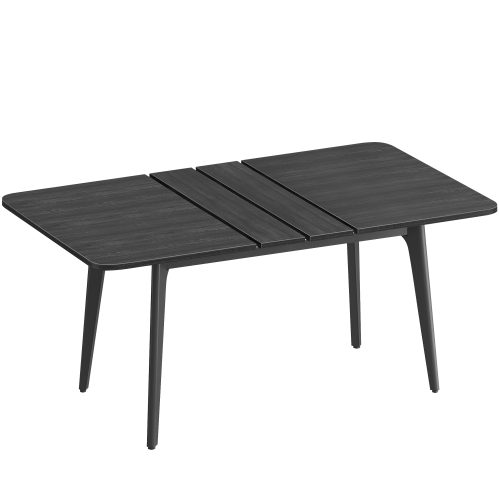
Here’s a quiet truth: speed and craft rarely shake hands, but they can. You meet a dinning table manufacturer in a dim showroom at dawn. You scan a shortlist of kitchen table furniture manufacturers while the city sleeps—your buyers want a 4-week ship window, your QA logs show a 13% rework rate, and your budget warns you not to blink. So you start counting the small things: clean joints, straight grain, repeatable jigs, and the bill of materials that actually matches the sample. Then one more line appears in your head: did they load testing the base or just eyeball it? The numbers say hurry; the room says wait. Which voice do you trust, and how do you test it without losing a season? (It matters.) Let’s lift the lid and see what hides under the surface—then move.
The Hidden Costs You Don’t See Until It’s Late
Where does the risk hide?
Most delays do not look like delays at first. They look like a neat sample, a fast promise, and a vague schedule. The real risk sits in the handoff between quoting and floor work. If CNC routing files shift by a millimeter, your top and apron will fight each other. If powder coating runs too hot, the sheen will drift by SKU. And if finish durability is not tested on the same wood species, your showroom scratch test will lie. Look, it’s simpler than you think, but only if you stare at the right steps. Ask for line-side photos, not just a spec sheet. Ask for a signed bill of materials that matches the pilot batch. Then ask how nonconforming parts move—rework bin or scrap. That single path tells you the future—funny how that works, right?
Hidden pain points often hide in language. “Flexible” sometimes means “we change the setup a lot.” That can kill repeatability. “Fast” can mean “we’ll fix it after.” That builds backlog and erodes trust. Your eyes should go to tooling, jigs, and first-article control. Do they track each table as a unit or as loose parts? Do they run load testing on legs and stretchers before carton pack, or only when there’s a complaint? Ask if they lock finish by batch and date code. Ask how they tie a defect to an operator station. If they can’t show traceability, they cannot show control. And without control, lead time is a coin toss. You do not buy a promise; you buy a process.
Beyond Today: Principles Shaping the Next Order Cycle
What’s Next
The better shops are shifting from paper to proof. Here’s the simple frame. Digital work orders map each step. Jigs get QR tags. Each top, apron, and leg gets a station scan. That data links to torque specs, sand grit, and adhesive cure time. When a drift appears, the system flags the station. It is calm, not flashy. But it saves your calendar. The principle is this: short feedback loops beat hero fixes. Tie the floor to the screen, then tie the screen to your purchase order. In short, stability first, speed next—funny how that works, right?
Next, pair inspection with prediction. Small sensors on clamp racks can log pressure spread. Cameras can check edge alignment after CNC routing. Simple, not sci‑fi. Even low-cost tools spot errors early. And a tight supply chain view means you see wood moisture, hardware lots, and carton crush rates before a truck leaves. That is why the best kitchen table manufacturers talk about cause, not luck. They link scrap to a date, a tool, a person, and a fix. They show how design-for-assembly trims touch time without cutting strength. They also make sample-to-mass transitions boring. Boring is good. It means your next order acts like the last one, only faster.
How to Evaluate Without Guesswork
Choose with your eyes, but confirm with numbers. Use three metrics that do not blink: first, process capability (a simple cap on variance across tops, legs, and finish—ask for run charts or at least repeatable gauge checks). Second, corrective action speed (time from defect to root cause to verified fix—days, not weeks). Third, schedule credibility (quoted lead time versus actual ship rate over the last 90 days—line-item proof, not stories). If a partner can show these on demand, they likely control their floor, their suppliers, and your risk. If they cannot, you will do the controlling for them—with your time and your brand. Keep the tone calm. Ask for the map, not the myth. And when you’re ready to compare what good looks like in the real world, you can start with a quiet benchmark at SONGMICS HOME B2B.