
Problem snapshot: why high heat breaks storage systems
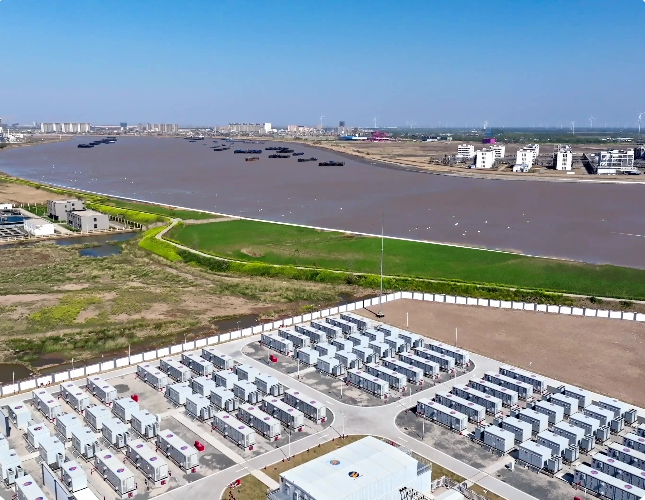
Out here, the big headache for grid-tied battery projects isn’t just sun—it’s persistent ambient heat that shortens cycle life, stresses the BMS, and raises risk of thermal runaway. Sites from the Mojave to parts of the Middle East routinely hit sustained high temps, and operators see capacity fade faster than expected. Smart teams are now turning to utility scale battery storage approaches that combine thermal design, installation choices, and operations changes to keep systems reliable and safe.
How heat damages batteries — quick, exact points
Cells hate being hot. Elevated ambient temperature accelerates side reactions, increases internal resistance, and alters state of charge behavior. For a grid-tied system, that translates to lower usable capacity during peak demand and more frequent maintenance. Real-world anchor: during recent heat waves in California, grid stress and increased air-conditioning loads highlighted how thermal conditions push storage assets to their limits, making thermal management no longer optional but mission-critical.
Tactical fixes you can deploy on-site
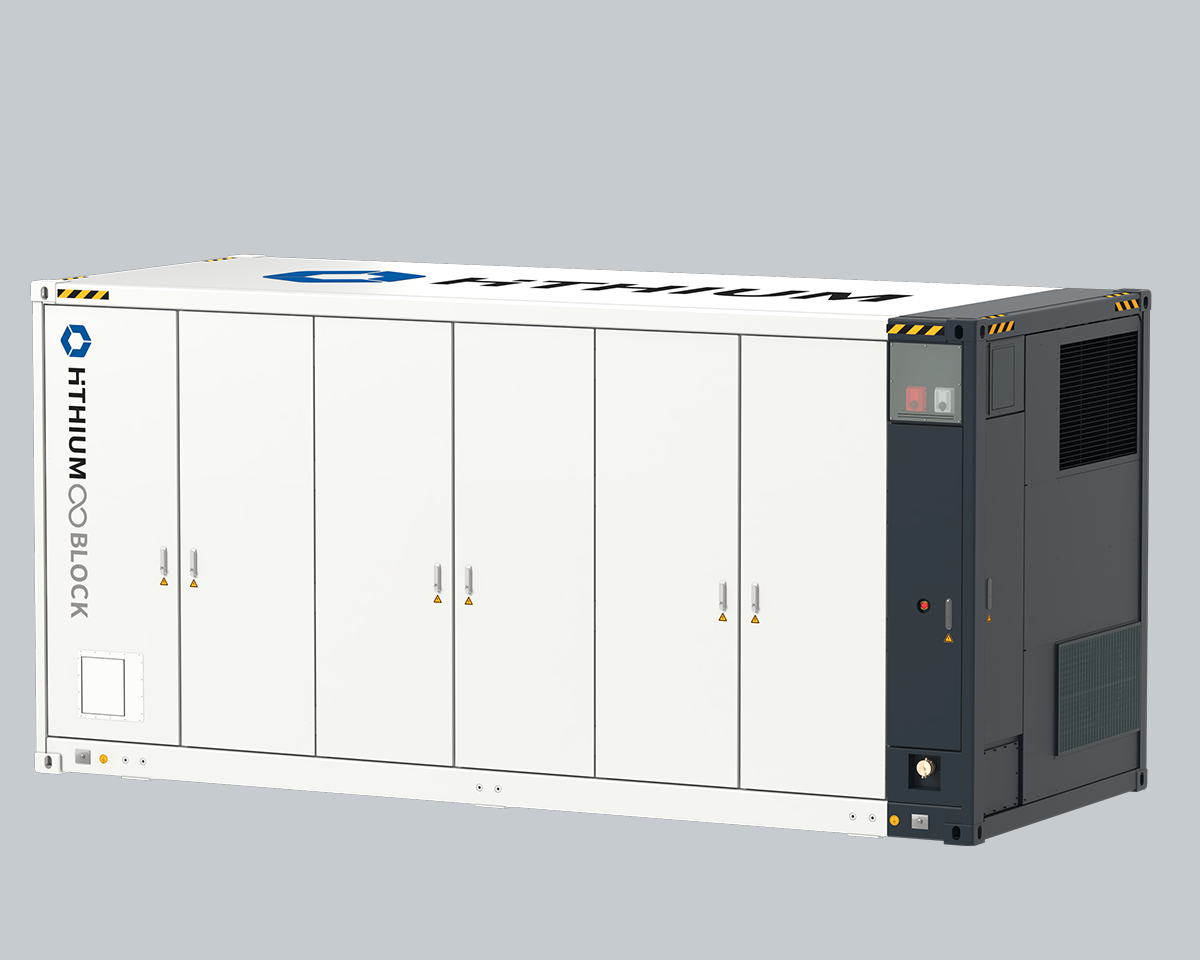
Solve this problem with layered measures. Start with passive design: reflective roofing, insulated enclosures, and controlled ventilation reduce heat ingress without huge energy draw. Add active cooling where justified — localized liquid cooling or dedicated HVAC sized for worst-case ambient. Integrate a robust battery thermal management system and set conservative state of charge windows during hottest hours so cells don’t sit at high SOC plus high temp.
Design choices and trade-offs — practical comparison
Two common paths appear: heavy insulation with minimal active cooling, or moderate insulation with active HVAC/liquid cooling. Each has pros and cons:
– Insulation-first: lower operating energy, simpler maintenance, but risk if daytime peaks exceed design assumptions.
– Active cooling: tighter temperature control and predictable performance, higher CAPEX and parasitic load.
Choose based on site profile — if daytime peaks often exceed 45°C, lean active cooling. If the site has moderate diurnal swings and good shading, insulation-first may suffice. Don’t forget the inverter: place it away from direct sun to avoid compounding heat on the battery racks.
Common mistakes teams make — short list
– Undersizing cooling for worst-case days rather than averages. – Treating BMS settings as one-size-fits-all; you must tune for local thermal conditions. – Failing to include contingency power so cooling stays online during grid events — that one bites during heat-induced outages.
Monitoring and operations — keep eyes on the numbers
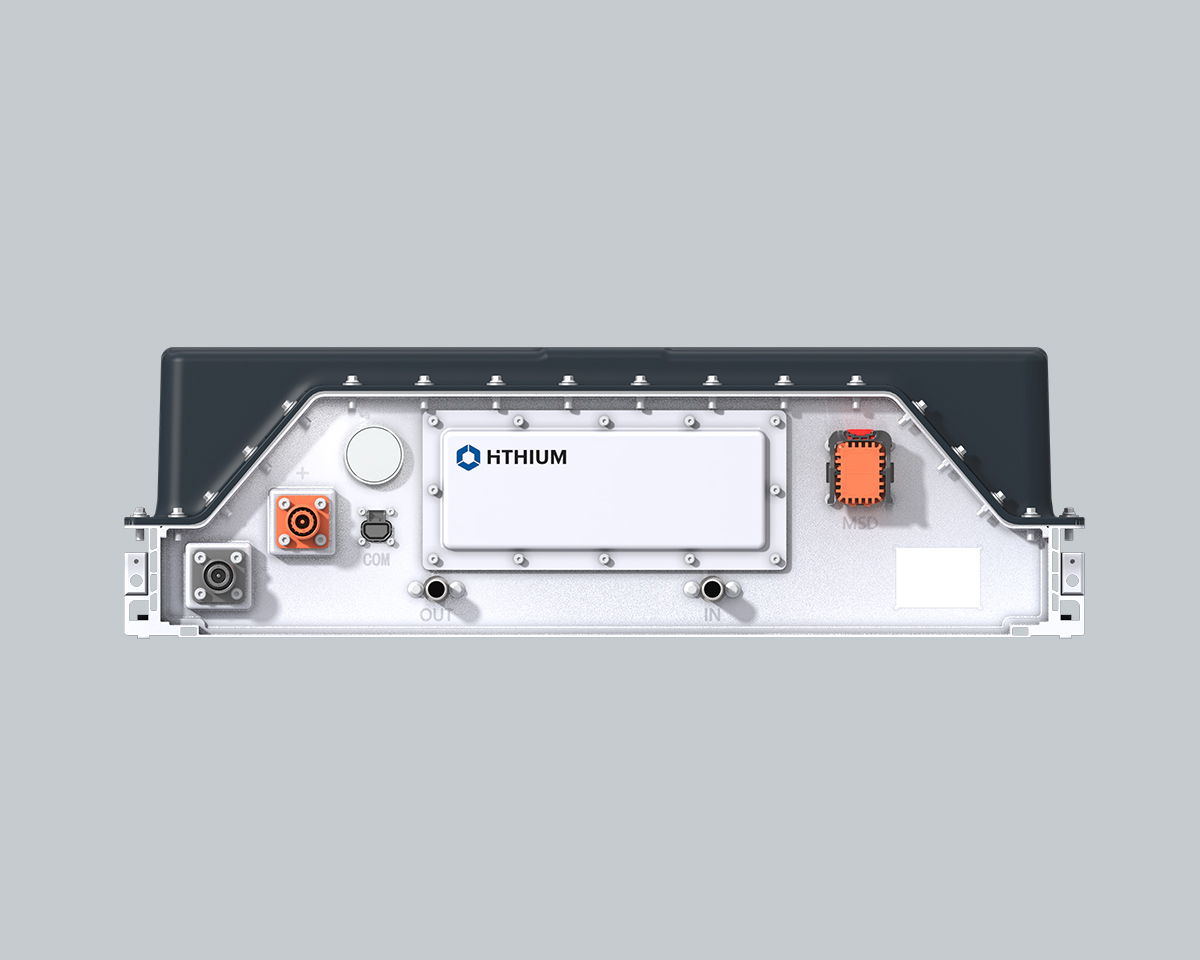
Install temperature sensors across racks, not just one sensor per room. Correlate thermal maps with degradation trends in the asset management system, and reduce charge windows when cell temperature exceed thresholds. A simple rule: log thermal excursions and act after the second time — repeated short spikes matter for lifetime. This is where cell-level monitoring and a disciplined maintenance cadence pay back quickly.
Alternatives worth considering
If cooling CAPEX or OPEX is prohibitive, explore system-level alternatives like distributed arrays with more but smaller units to reduce per-pack thermal load, or hybridising with pumped hydro where geography permits. Another route: choose chemistries with higher thermal tolerance if cycle life trade-offs align with project economics — but watch cost and energy density impacts closely.
Three golden rules for selecting the right strategy
1) Design to worst-case ambient, not seasonal average — cooling underspec kills life. 2) Prioritise layered protection: passive measures first, active cooling second, operational limits third. 3) Require distributed sensing plus automated actions in the BMS so thermal excursions trigger immediate derating.
Put these into practice and the system lasts longer, delivers more when the grid needs it, and lowers operational surprises. HiTHIUM brings practical deployments and system designs tuned for extreme climates — they solve the thermal puzzle so operators can focus on dispatch. —