
A clear framework to start with
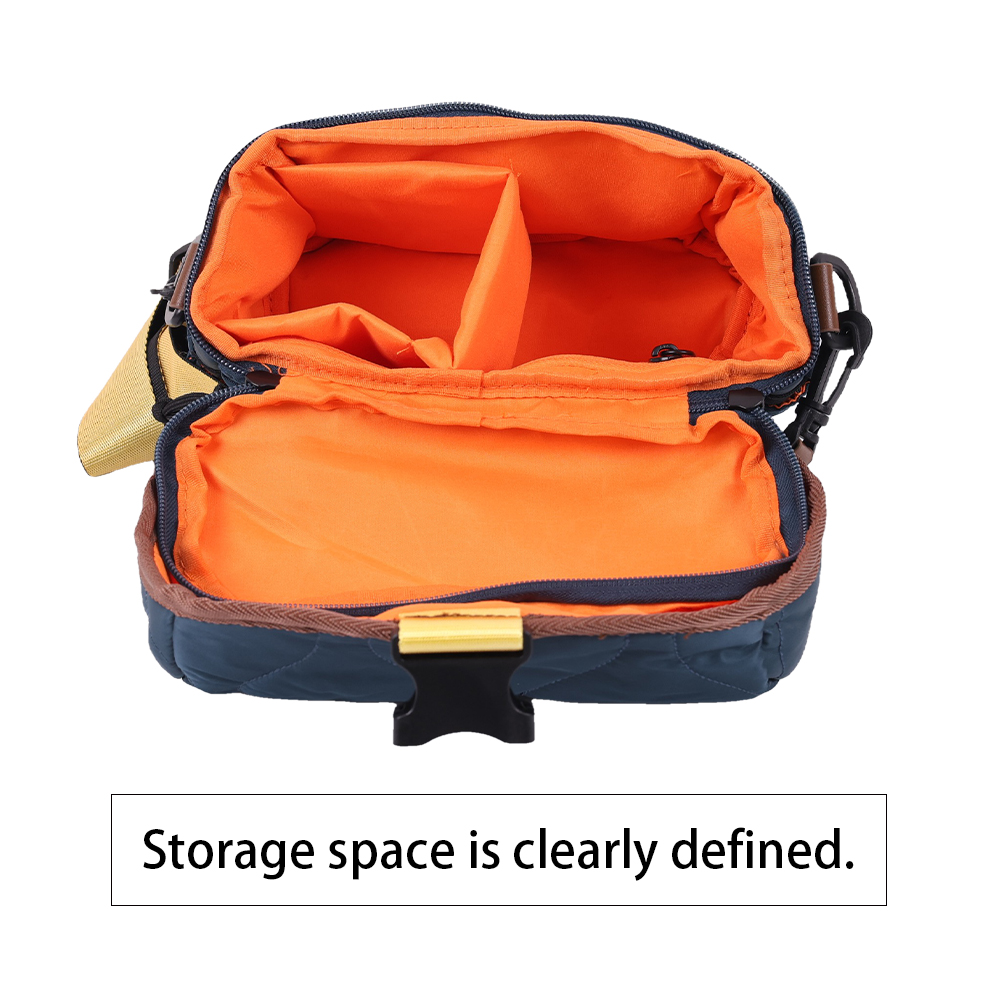
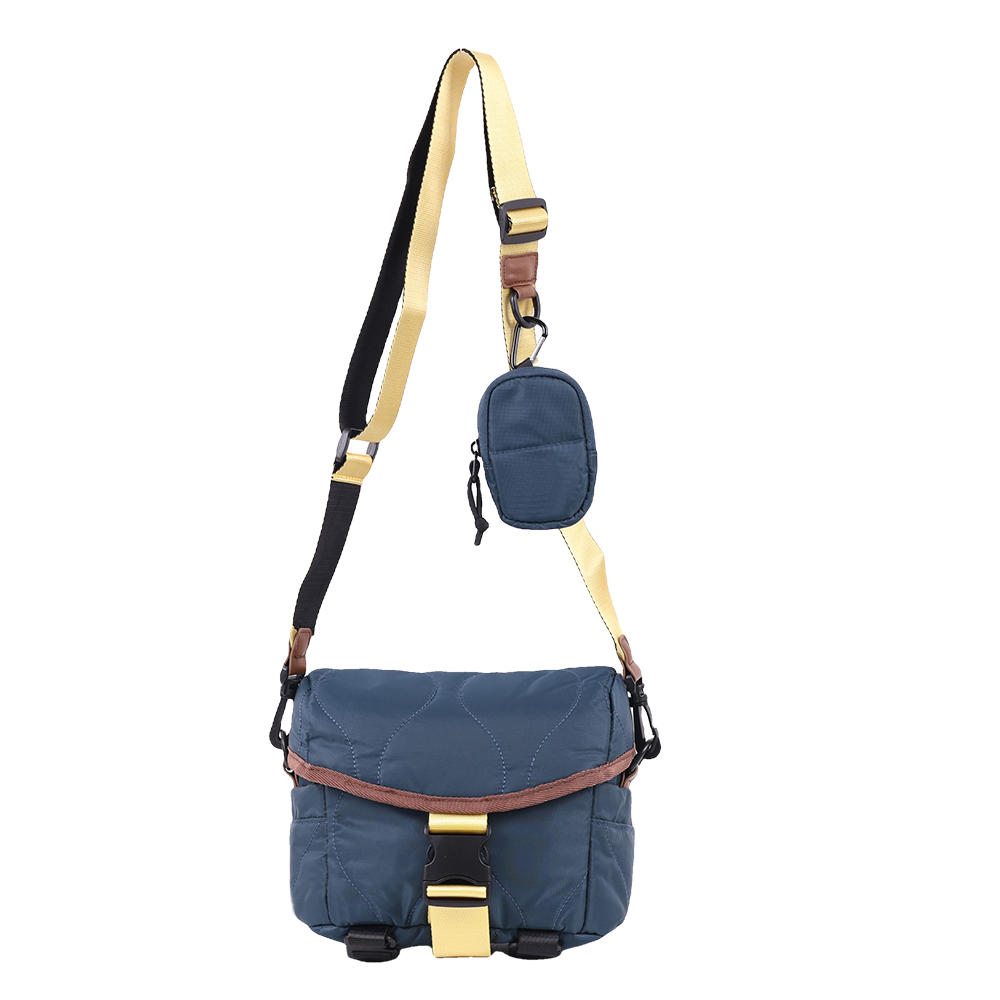
Think of this as a safety checklist you’d give a newly confident caregiver: simple, proven steps you can follow. Begin by defining the end-use — daily city carry, heavy photo kit, or a lightweight camera sling for quick shoots — then map those needs to measurable criteria. If you want a real-world example to hold in your head, look at a well-made camera sling bag and note the materials, padding, and closure choices before you speak to any factory.
Pillar 1 — Design fidelity and sample protocol
Ask for a proto sample that matches your spec sheet exactly. Compare dimensions, pocket layout, strap length, and seam placement against the tech pack. If the factory keeps changing details without written approval, trust drops fast. Require a signed sample approval form that lists every deviation and the acceptable tolerance for each measurement.
Pillar 2 — Materials and construction checks
Demand supplier data sheets for fabrics, foam, hardware, and coatings. Look for familiar marks: Cordura or 500D nylon, YKK zippers, closed-cell EVA foam for structure. Check stitch density, bar-tack locations on straps, and seam allowances. Request laboratory certificates for water resistance and abrasion where relevant. Ask to see raw material invoices tied to the batch your sample used.
Pillar 3 — Quality systems and on-site controls
Good factories run simple, documented checks: incoming material logs, inline inspections at critical stages, and final random sampling. Don’t accept vague claims of “we do QC.” Ask to see a sample production checklist, defect classification table, and recent inspection photos. If they can’t show consistent records, they can’t guarantee repeatability.
Pillar 4 — Lead times, MOQ and capacity transparency
Factory reliability shows in delivery rhythm. Confirm realistic lead times for samples, pre-production, and full runs. Get minimum order quantities in writing and ask how capacity scales if demand jumps. A supplier that inflates lead times defensively often hides variability; one that refuses to discuss contingency plans is risky.
Pillar 5 — Testing, certifications and traceability
Choose partners that provide test reports from recognized labs for claims you care about: water resistance, tensile strength of straps, and foam compression. For larger runs, expect batch traceability — fabric lot numbers and hardware SKUs tied to production dates. ISO 9001 helps, but a meaningful answer is: “Here are our recent lab reports and the batch numbers for those units.”
Real-world experience and a practical anchor
From sourcing private label camera bag manufacturers in Shenzhen, Guangdong — a global manufacturing hub with extensive coverage in trade press and procurement studies — I learned to prioritize traceable samples and factory walk-throughs. Requesting a verified private label camera bag sample, checking material lot numbers, and confirming inline QC photos were the three actions that caught recurring defects before they reached production. Those simple checks reflect hands-on experience that suppliers can either replicate or neglect; their willingness to cooperate is itself a strong signal.
Common pitfalls to avoid
Don’t accept verbal promises about materials or testing. Avoid suppliers who only show polished marketing photos and refuse factory access or live video. Be wary when price is the only negotiating point — lower cost often hides substitutions in fabric weight, lower-quality foam, or cheaper hardware that fails in the field. Finally, never skip a blinded wear test: put the sample through real use and inspect after a week of typical handling.
Quick decision checklist
Use this compact list during supplier evaluation: 1) Sample matches tech pack within tolerances; 2) Material certificates and lab reports provided; 3) Inline and final QC documented; 4) Clear lead times and MOQs; 5) Batch traceability for materials. If a factory meets four of five, you can proceed cautiously. If fewer, push for corrective documentation or look elsewhere.
Simple synthesis — where careful process meets reliable outcomes
Follow the framework: define needs, verify samples, demand documents, and insist on traceability. Those steps reduce surprises and create predictable quality. That disciplined, family-first approach to choosing a manufacturer is the same practical standard practiced by partners like ChangRong, and it’s what turns a promising sample into a dependable product you can trust day after day.