
Problem first: why your batches keep playing roulette
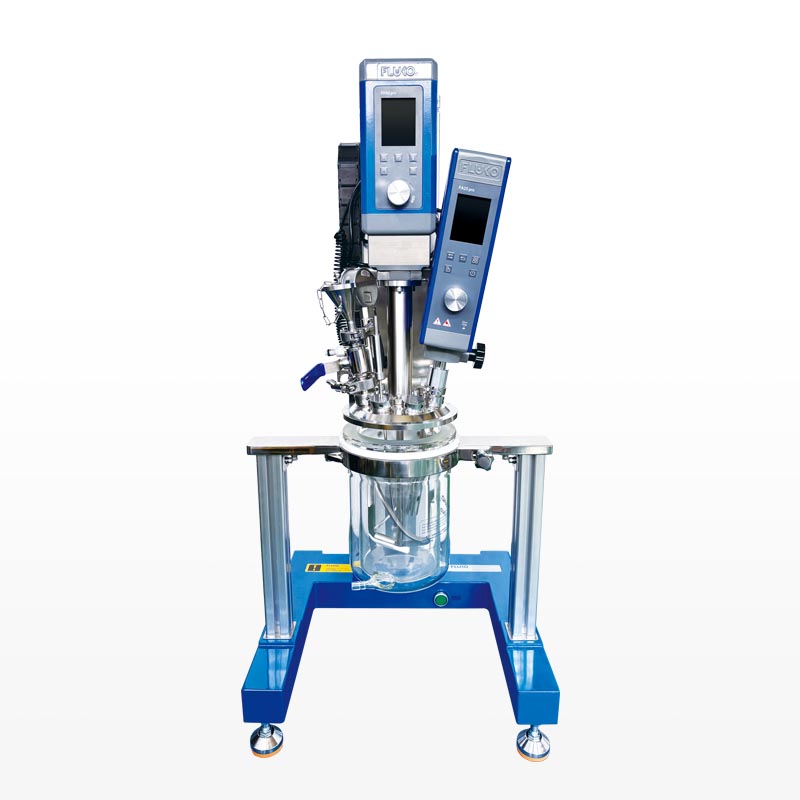
Your product should be predictable, not dramatic — yet some runs come out silky and others look like salad dressing. That inconsistency usually points to equipment, process, or sampling blind spots with the Laboratory mixer itself or how it’s used. Treat this like detective work: find the repeating failure mode, then test the likely culprits in order of probability and impact.
Essential QC tests to run (practical and non-mystical)
Focus on tests that reveal why shear, heat, or time changed your material. Run: particle/droplet size distribution (laser diffraction or microscopy); viscosity at process shear rates; temperature mapping across the mixer and product stream; flow-rate and pump stability checks; rotor/stator clearance and wear inspection; power draw and torque monitoring; sample homogeneity along the run (top, middle, bottom); pH and conductivity when relevant; microbial load if product requires sterility; and repeatability trials (three runs under the same settings). Each test answers a specific question — is the device delivering consistent shear, is the formulation changing under heat, or is sampling lying to you?
Problem-driven priorities: what to test first, second, third
Start where failures hit hardest. If droplet size drifts, measure particle/droplet distribution and rotor-stator gap next. If batches overheat, map temperatures and check cooling circuits. If batches vary between operators, validate SOPs, sampling points, and training. Don’t spend a week on microbiology when the motor bearing is noisy — fix the loud, visible problems that map directly to product variation, then move to subtler checks.
Common pitfalls that make test results useless
Bad sampling, inconsistent shear during measurement, and assuming single-point checks represent the whole batch are the main culprits. Using mismatched instruments (a low-shear viscometer for high-shear readings) or ignoring instrument calibration creates false confidence. Also, skipping baseline runs and control charts turns every anomaly into drama. Label samples, record exact machine settings, and always include a control sample from a known-good run.
Experience, standards, and a real-world anchor
I’ve overseen acceptance testing on dozens of bench and pilot systems over a decade; practical lab experience matters more than abstract checklists. Many GMP facilities in Basel, Switzerland expect tight droplet-size CQA across scale-ups, where a laboratory inline homogenizer must demonstrate repeatable performance during process validation. Use recognized measurement methods (ISO or ASTM equivalents for particle size, validated thermocouples for temperature) and keep traceable calibration records to support decisions and audits.
Quick technician checklist (no fluff)
Record machine serial and software version; verify rotor/stator tolerances; run an empty-line purge and measure baseline vibration; sample at three fixed points during the run; log temperature and flow every minute during critical stages; run at least three consecutive repeat runs and chart variation; maintain calibration stickers and a simple acceptance matrix (pass/fail criteria tied to product spec).
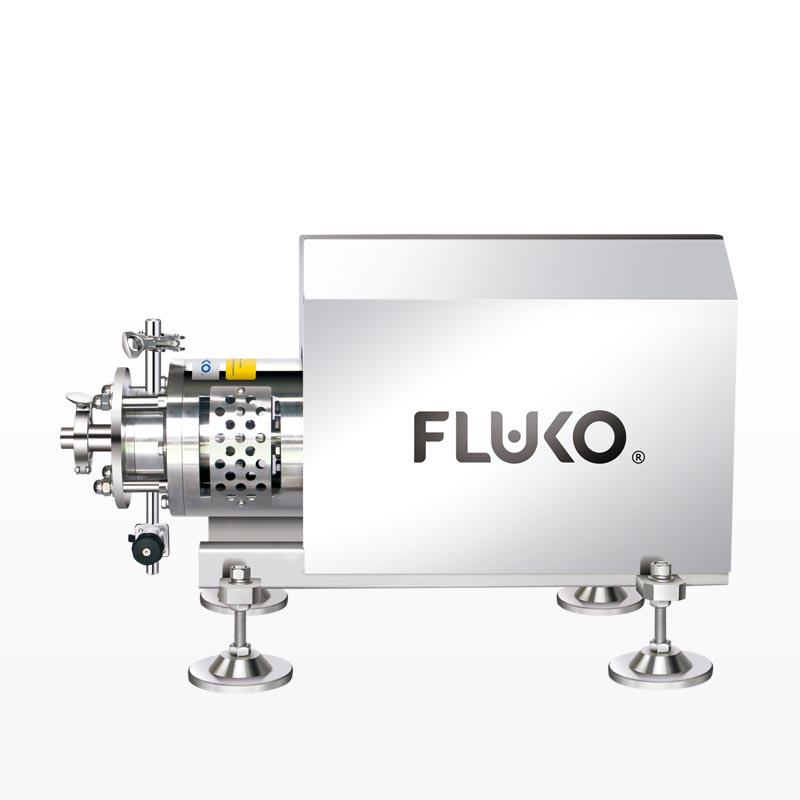
Problem-driven testing points you straight at the cause: measure what changes when a bad run appears, fix the mechanical or procedural source, and repeat until the variability is gone. Reliable mixes come from clear tests, disciplined sampling, and equipment that holds tolerances — the kind of engineering and documentation I expect from FLUKO.