

Introduction
Here’s the truth: packaging can make or break your launch. A clear lip gloss tube is small, but it carries your brand in every swipe. Picture a fast drop-shipping launch day, a stack of pre-orders, and a timer ticking. Data says up to 30–40% of early beauty returns trace back to leaks, loose caps, or messy applicators. So, what would change if your tube worked like a well-trained athlete—reliable under pressure? If you’re sourcing a wholesale clear lip gloss tube, your choices on material, wiper fit, and cap torque matter more than a logo (yes, even your great logo). Are you ready to pick gear that matches your formula and your goals?
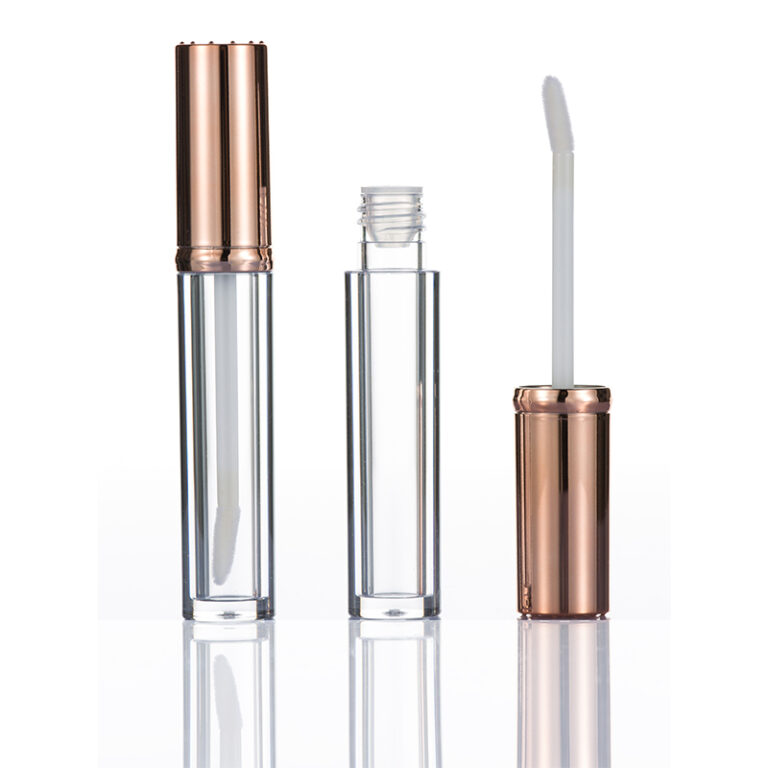
We’ll compare what buyers think matters with what actually does—fast, clear, practical. We’ll talk PETG vs. ABS, PP wipers, AQL sampling, and torque testing in plain English. Then we’ll map those decisions to real-life outcomes: fewer returns, smoother fills, and better reviews. This is a short training plan for your packaging game—tight, focused, and repeatable. Let’s move to where most deals go off track and fix it for good.
Price vs. Performance: The Comparison Most Buyers Skip
Many buyers stack quotes and stop at the lowest unit cost. That’s the first trap. The second is assuming all clear tubes are “the same” because they look alike. Here’s the comparative view that works. PETG barrels show clarity and resist stress cracking better than polystyrene; they keep your shade true in photos and on shelf. A PP wiper with the right inner diameter controls flow on the doe-foot, cutting blobs and stickiness. Injection molding quality shows up in the threads; clean threads mean stable cap torque and fewer leaks in transit. Now the math: if a tube that costs 3% more cuts leakage from 4% to 0.8% on 10,000 units, you just saved hundreds in returns, credits, and reputation. AQL sampling at incoming QC catches bad lots before fill day; skipping it means discovering issues after you’ve tied up labor and product. Add simple torque testing and a 1-meter drop test, and you remove most surprises. The point? Don’t compare only price. Compare failure modes. Compare how the system—barrel, wiper, stem, applicator—works with your viscosity under heat and motion. Small, measurable differences set the pros apart—funny how that works, right?
Hidden User Pain Points That “Standard” Tubes Don’t Solve
Where does the mess really start?
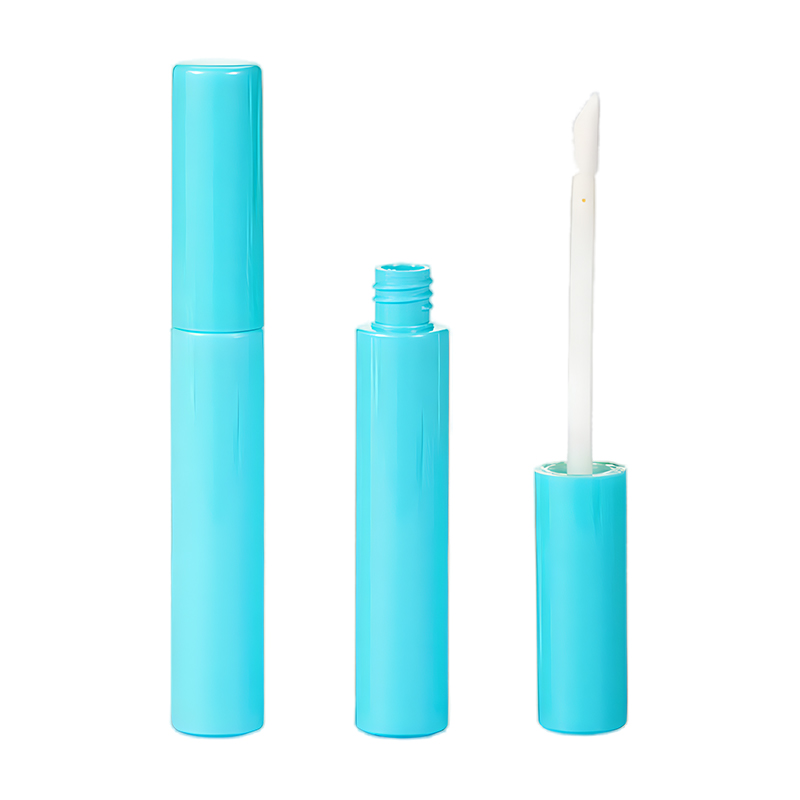
In Part 1 we compared materials and parts. Now let’s go deeper. The pain points hide in day-to-day use, not in the spec sheet. A “standard” tube often ignores formula behavior under heat, pressure, and time. High-shine blends thin out at 35–40°C during shipping. Without a snug PP wiper, that means streaks on the neck and cap. Users feel it as a sticky rim. Fulfillment teams see it as returns. And your ratings drop. Look, it’s simpler than you think: match wiper durometer and inner cut to your viscosity and stem diameter, then confirm with torque testing after a 24-hour heat soak.
When teams order a wholesale clear lip gloss tube “by template,” they miss two more traps. First, flocking density on the applicator. Too dense and it overdoses; too sparse and the glide feels cheap. Second, seal integrity. If ultrasonic sealing isn’t tuned, micro-gaps form at the shoulder and show up only after a week of handling—just when first buyers post reviews. Standard vendor photos won’t reveal this. Short pilot runs will. Add a small AQL plan, a 72-hour upright-and-inverted leak test, and a simple cap-on torque cycle count. You’ll prevent the mess you can’t see on day one—and the angry emails on day seven.
Future-Fit Choices: How New Principles Reduce Risk and Waste
What’s Next
Building on Part 2, here’s a forward look. Newer tube systems use better fit control and process discipline rather than exotic materials. Think tighter thread tolerances from improved injection tooling, wipers with micro-tapered lips that adapt to stem flex, and applicator shafts that resist bending under load. The principles are simple: control the interface, stabilize torque, and validate under stress. Some clear lip gloss tube manufacturers now run inline vision checks for thread flash and wiper deformation. That means fewer surprises when your fill line heats up or your cartons ride a bumpy route. Also, smarter pilot packs—50 to 200 units—let you test real-world use with your exact batch and shipping path. Small loops, big wins—funny how that works, right?
Case example. A boutique brand had 3.6% leak complaints on a summer drop. They switched to PETG barrels, moved to a softer PP wiper with a 0.1 mm tighter ID, and set a cap torque window of 0.18–0.22 N·m after a 24-hour heat soak. They also added a 1-meter drop test and inverted storage for 48 hours. Returns fell below 1% within two cycles. The lesson isn’t magic; it’s method. Compare vendors by proof, not by price sheet. Ask clear lip gloss tube manufacturers for their AQL level, torque test range, and leak-test protocol. Semi-formal checklists beat guesswork.
Advisory close—three metrics to choose well: 1) Leak rate under heat and motion (target ≤1% across 72 hours, upright and inverted). 2) Torque stability after five cap-on cycles (range stays within spec). 3) Wiper-applicator fit validation with your real viscosity (no overdosing, no streaking). Nail these, and your aesthetics, speed, and margins stay strong. For deeper specs without fluff, see NAVI Packaging.